The intelligence feedUpdated as material events develop
Analysis / Research / Guidance
The Briefing
Independent reporting on AI security, exploited vulnerabilities, and enterprise cyber risk. Built to help defenders understand what changed and what deserves action.
The Apache Tomcat vulnerability now in CISA's KEV catalog shows how one cluster-encryption bypass can turn trusted node traffic into an unauthenticated remote code execution path. This breakdown explains why Tomcat clustering risk is bigger than a patch note and what defenders should verify now.
The N-able N-central vulnerability is more than another authentication bypass. It turns a trusted RMM control plane into a route toward managed endpoints, customer networks, and long-lived MSP access. This breakdown explains what happened, why the blast radius matters, and what teams should verify now.
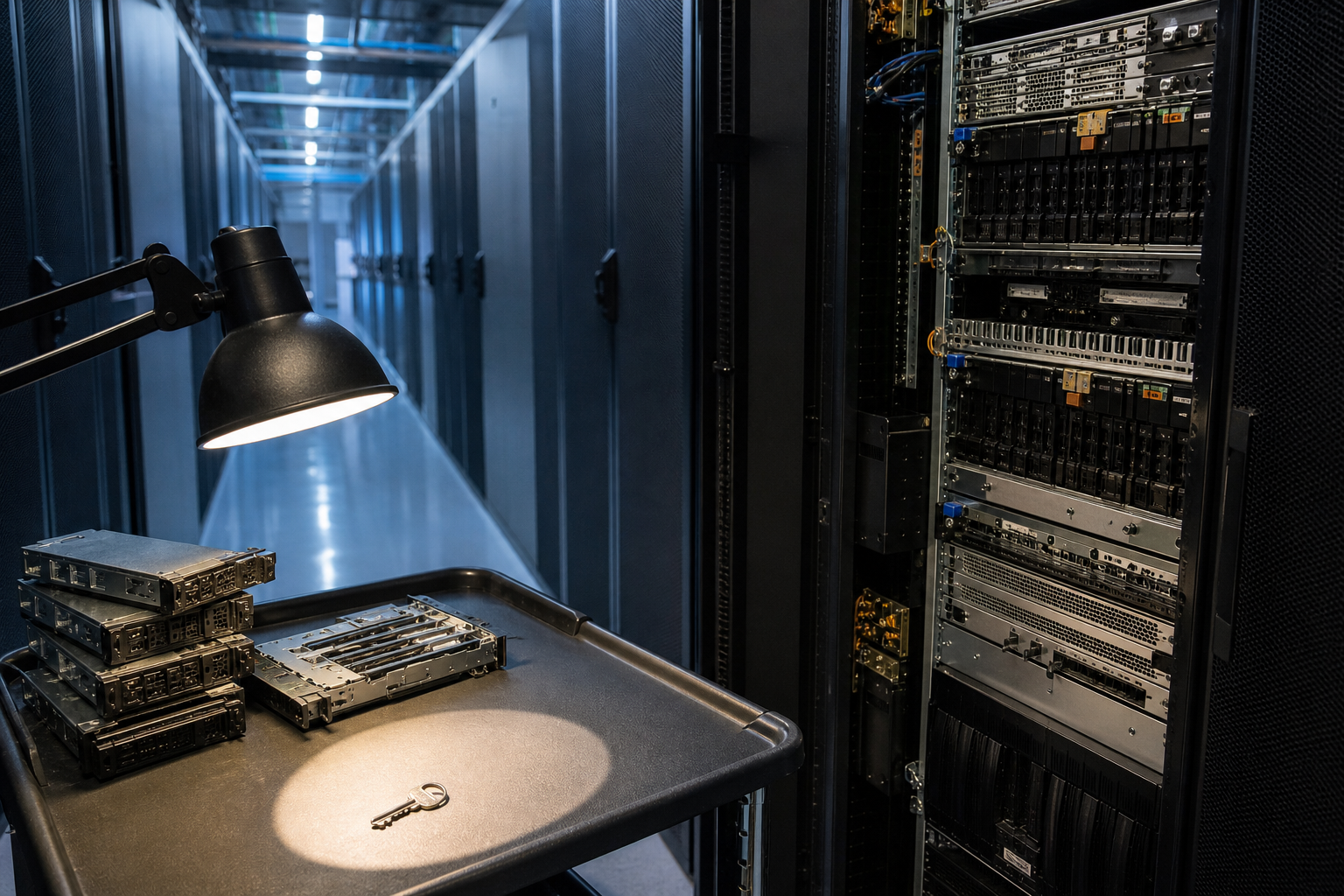
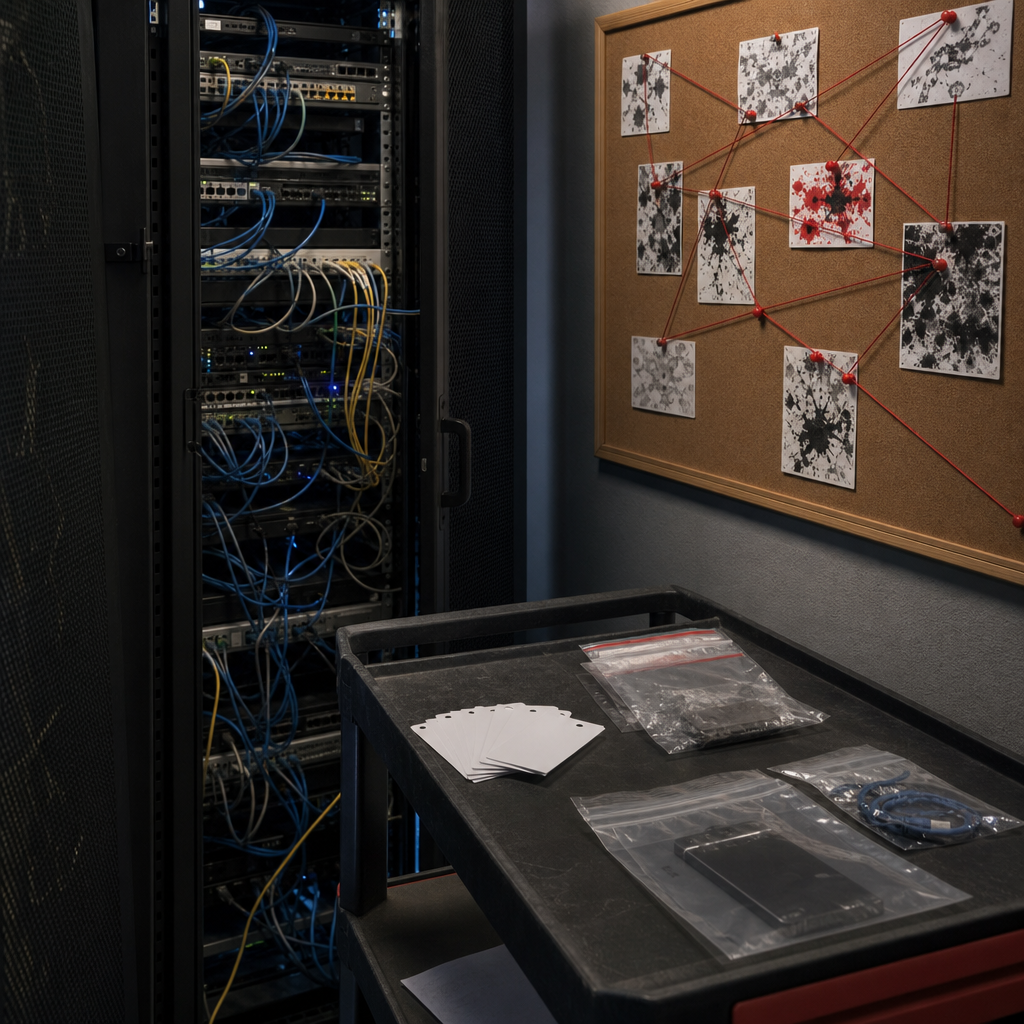
The Thermo Fisher DNA file tampering vulnerability shows how forensic data can lose its integrity long after a physical sample is collected correctly. This breakdown explains what changed, why digital chain of custody is now the real control point, and what labs and defenders should review immediately.
Screen sharing has become a normal part of sales demos, support calls, recruiting, and internal meetings, but one careless share can expose customer data, password-manager vaults, inbox previews, or sensitive tabs. This practical checklist shows small teams how to make screen sharing safer without turning every call into a production.
The Adform script compromise shows how one trusted ad-tech dependency can turn ordinary websites into payment-manipulation surfaces. This breakdown explains what happened, why browser-side supply chain trust is the real problem, and what security teams should review now.
The Azure Cosmos DB flaw became a same-day publishable cloud security story on July 31, 2026, when fresh reporting detailed how a Gremlin sandbox escape could have exposed a platform-wide key with cross-tenant database access. This breakdown explains why that matters, what the real business risk looked like, and what security teams should review now even after Microsoft's fix.
Copilot for Word prompt injection became a live enterprise concern on July 30, 2026, when fresh reporting showed hidden instructions inside a Word file could silently alter a report and copy themselves into newly generated documents. This breakdown explains how the attack works, why it matters beyond one proof of concept, and what teams should change now.
AI meeting note takers can save busy teams real time, but they also create a quiet mix of transcript sprawl, calendar exposure, sensitive recordings, and unclear vendor access. This practical checklist shows small teams how to use meeting bots and transcript tools without turning every conversation into a new security problem.
The Ruflo MCP flaw became a same-day publishable story on July 29, 2026 when The Hacker News detailed how an unauthenticated network path could turn a popular agent harness into remote code execution, API key theft, and AI memory poisoning. This breakdown explains why the bridge exposure matters, what defenders should fix first, and why patching alone does not fully undo the risk.
 Cybersecurity