The intelligence feedUpdated as material events develop
Analysis / Research / Guidance
The Briefing
Independent reporting on AI security, exploited vulnerabilities, and enterprise cyber risk. Built to help defenders understand what changed and what deserves action.
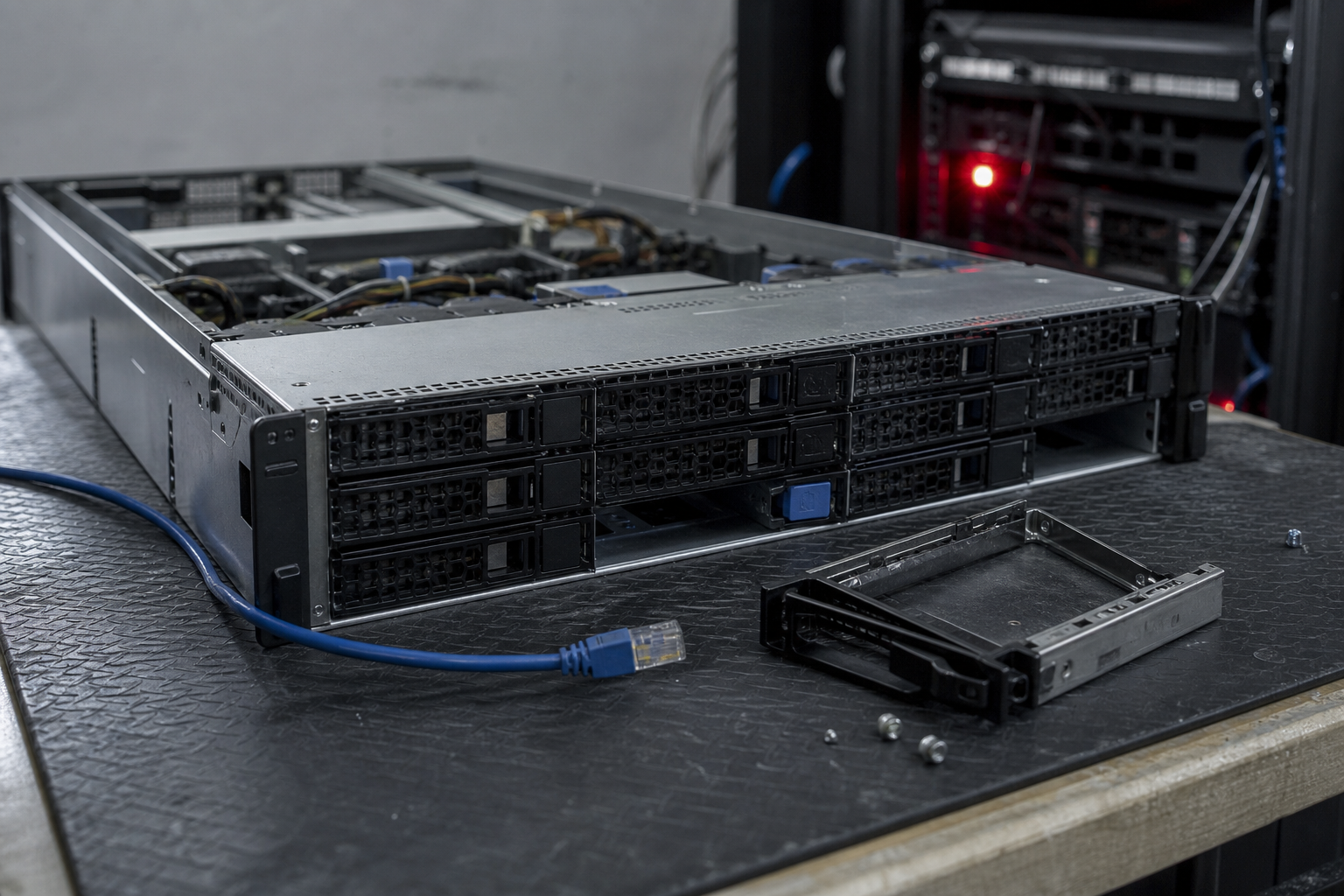
Server BMC security deserves urgent attention after new July 28 reporting showed more than 24,000 internet-exposed systems leaking password-derived hashes through an old IPMI weakness. This guide explains why out-of-band management is still a control-plane risk in 2026 and what teams should fix first.
Shared inboxes for support, billing, sales, and operations still create quiet risk in 2026 because one mailbox often becomes a shortcut for sensitive customer replies, password resets, vendor threads, and internal approvals. This practical checklist shows small teams how to secure team mailboxes without falling back to shared passwords or messy ownership.
The Open Secure AI Alliance became a same-day AI security story on July 27, 2026, when NVIDIA and a broad coalition of security, infrastructure, and AI companies argued that defenders need open models, harnesses, and tools they can inspect and run on their own systems. The bigger lesson is not just about one alliance launch. It is about why black-box AI can become a bottleneck during real incident response and why security teams are starting to demand more local control.
The DevMan RaaS portal became a fresh operational story after The Hacker News published new details on July 25, 2026 showing how the ransomware group centralizes payload builds, victim management, access distribution, and affiliate payouts in one controlled workflow. The real lesson is not just that DevMan is active, but that ransomware crews are shortening the path from purchased access to coordinated extortion.
Shared workstations still create quiet risk in 2026 because front desks, clinic stations, warehouse counters, and back-office terminals often sit at the intersection of public traffic, shared credentials, removable devices, and rushed handoffs. This practical checklist shows small teams how to lock down common-area computers without making everyday work impossible.
The Fastjson vulnerability tracked as CVE-2026-16723 became a same-day security story on July 25, 2026, after new reporting said attackers are targeting affected Spring Boot deployments while Fastjson 1.x still has no patched release. The immediate lesson is not just to patch later, but to contain default-risk JSON parsing paths now and move legacy 1.x dependencies off the table.
Hermes AI agent became a same-day AI security story on July 24, 2026, after new reporting showed an operator running the tool unattended during a Thailand Ministry of Finance intrusion. The more useful lesson is not AI magic but approval-free post-exploitation, where a capable agent can enumerate, inspect, and pivot through an already-compromised environment faster than many teams are ready to detect.
Claude Artifacts malware became a same-day AI security story on July 23, 2026, after new reporting showed attackers abusing a public artifact on the real claude.ai domain to distribute a fake Claude desktop installer tied to SectopRAT. The practical lesson is that a trusted AI domain, a sponsored search result, and a user-generated download page can combine into a high-conviction malware path that many employees would treat as normal.
Windmill vulnerability CVE-2026-29059 became a same-day security story on July 22, 2026, after new reporting tied the workflow automation flaw to active exploitation. The practical lesson is that one exposed automation server can leak server files, secrets, and high-trust access paths long before defenders realize a background-jobs platform belongs on the urgent patch list.
 Cybersecurity