The intelligence feedUpdated as material events develop
Analysis / Research / Guidance
The Briefing
Independent reporting on AI security, exploited vulnerabilities, and enterprise cyber risk. Built to help defenders understand what changed and what deserves action.
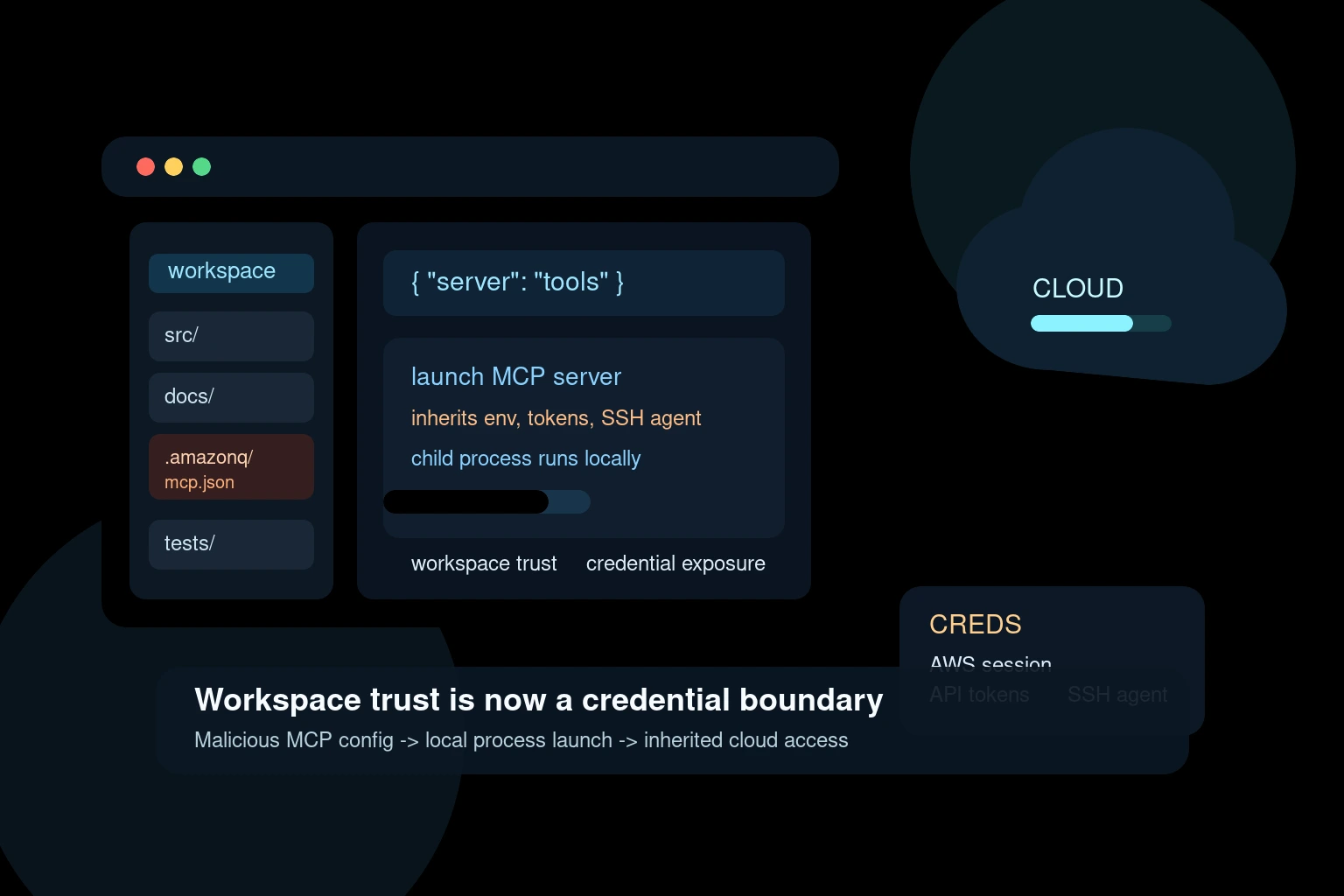
The Amazon Q Developer vulnerability became a same-day security story on June 26, 2026, when The Hacker News surfaced Wiz's earlier research to a broader defender audience. The deeper issue is not one patched IDE bug. It is that workspace trust decisions in AI coding tools now sit directly next to cloud credentials, local execution, and developer access.
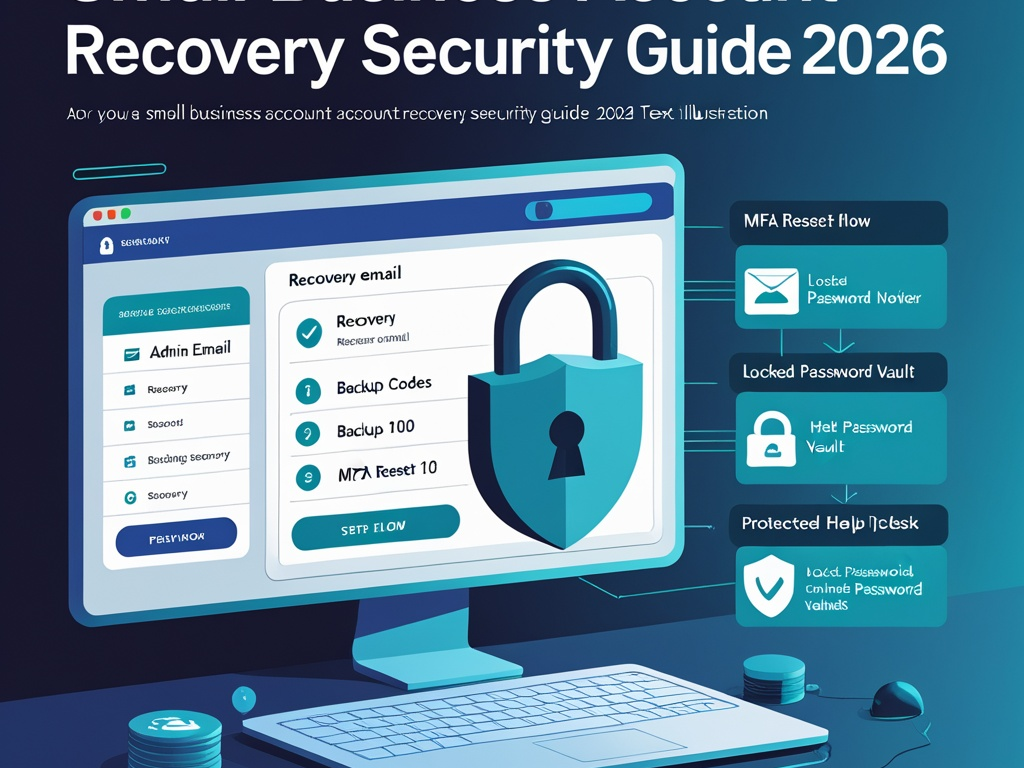
Small businesses spend a lot of time tightening passwords and MFA, then leave weak recovery emails, shared inboxes, backup codes, and informal help desk resets in place. This practical checklist shows how to secure account recovery so a login problem does not turn into an easy takeover path.
The Gaslight macOS malware became a same-day security story on June 25, 2026, when The Hacker News brought SentinelOne's research to a broader defender audience. The bigger issue is not only one North Korea-linked implant. It is that prompt injection has moved from chatbot abuse into the malware-analysis pipeline itself.
DNS filtering has become one of the simplest ways for small businesses to block phishing pages, malware domains, and risky web traffic before a user even loads the wrong site. This practical guide explains what DNS filtering actually does, where it helps, where it falls short, and how small teams can deploy it without turning it into another half-managed security tool.
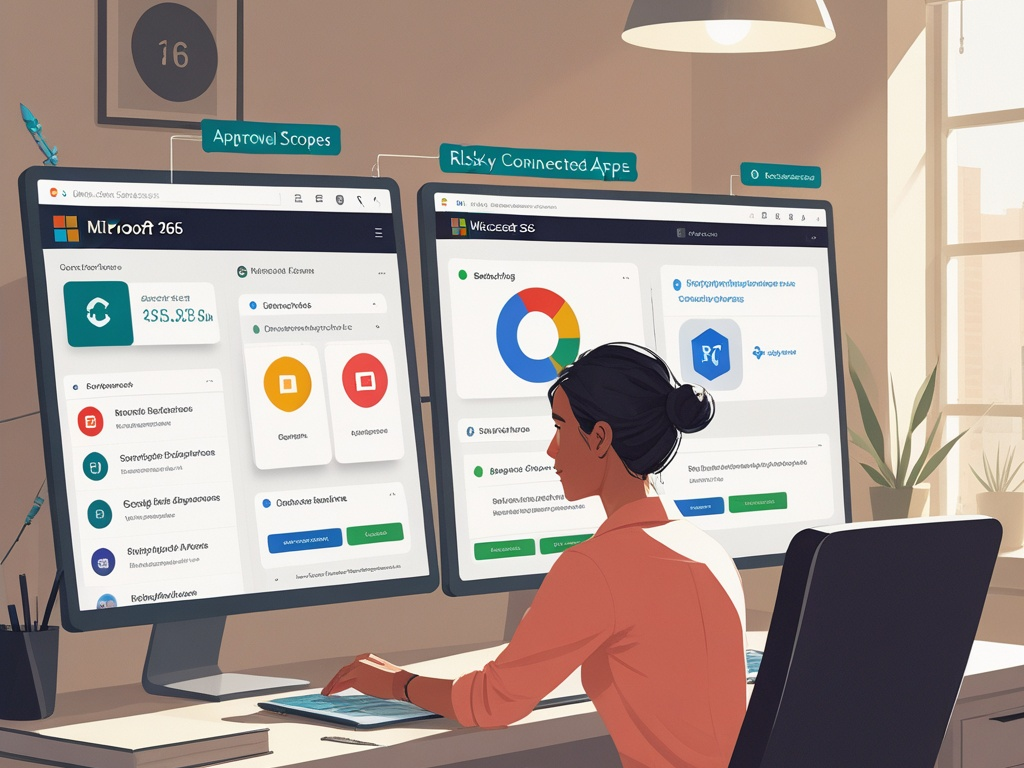
Small businesses now connect dozens of SaaS tools to Microsoft 365, Google Workspace, Slack, Salesforce, and other core systems with a few quick clicks. This practical checklist shows how to review OAuth-connected apps before they quietly become an access, data exposure, or offboarding problem.
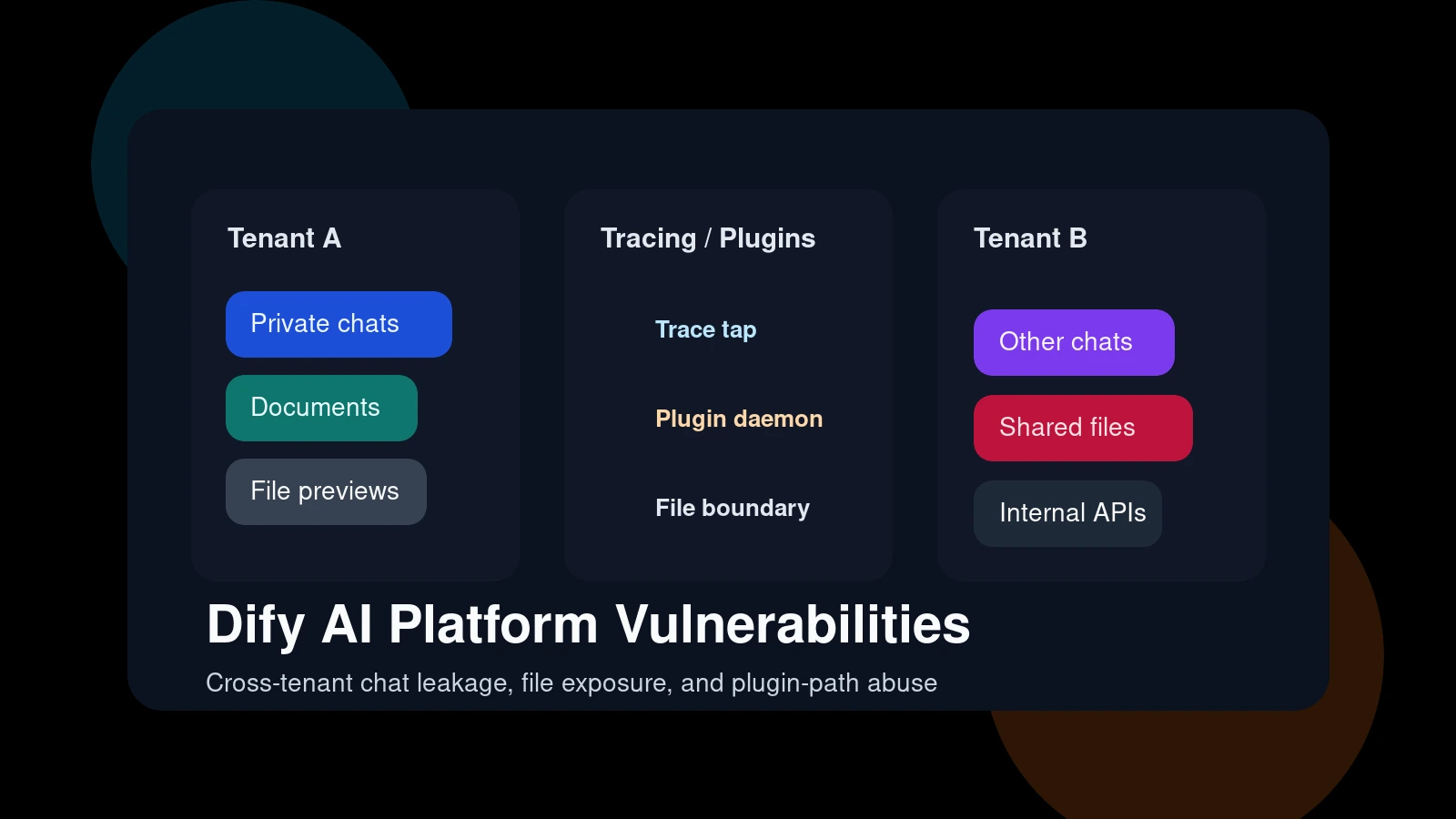
The Dify AI platform vulnerabilities became a mainstream security story on June 23, 2026, when SecurityWeek surfaced Zafran's DifyTap findings to a broader audience. The real issue is not only four CVEs in one LLMOps tool. It is that multi-tenant AI builders still let observability, plugins, and file handling become quiet cross-customer exfiltration paths.
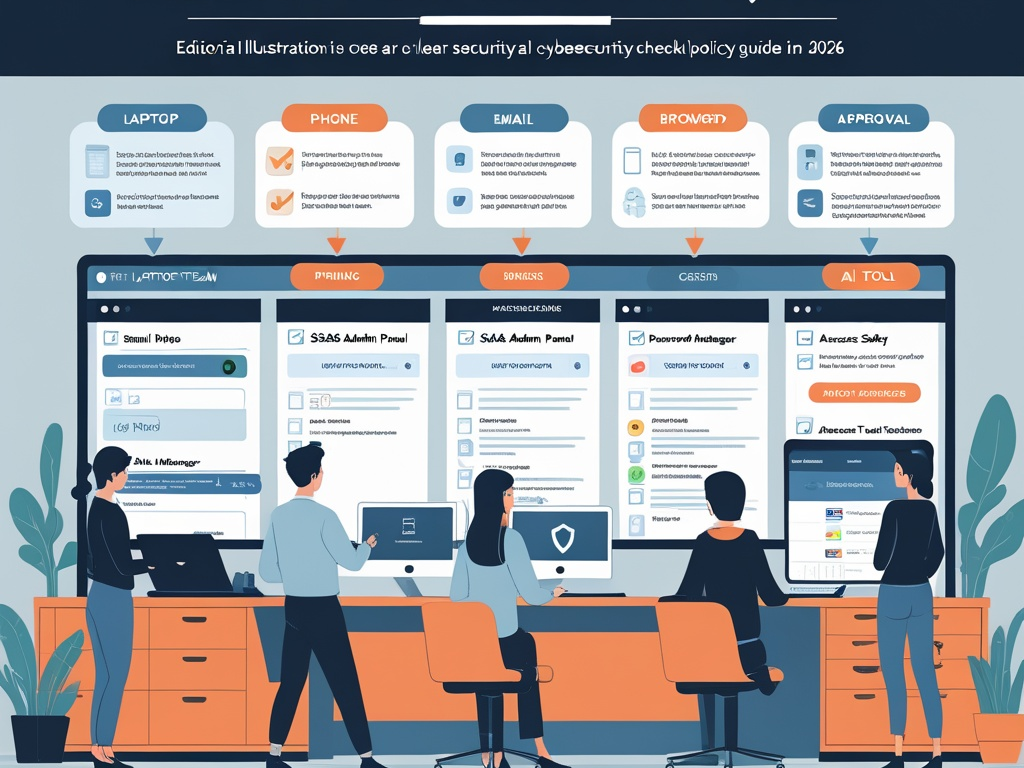
Many small business security policies fail because they read like legal boilerplate instead of practical operating rules. This guide shows how to set a simpler employee cybersecurity baseline that covers phishing, AI tools, SaaS access, browsers, devices, and reporting in 2026.
The FFmpeg PixelSmash vulnerability became a live mainstream security story on June 23, 2026, when SecurityWeek elevated JFrog's codec research into a broader enterprise warning. The bigger issue is not one media bug by itself. It is that thumbnailers, self-hosted media stacks, and preview pipelines keep treating untrusted video as harmless content.
SecurityWeek's June 22, 2026 Squidbleed report turned an old proxy parsing bug into a same-day enterprise security story. The broader lesson is that a legacy FTP feature in a shared proxy can still leak credentials, session tokens, and API keys across users when nobody retires the protocol path.
 AI Security