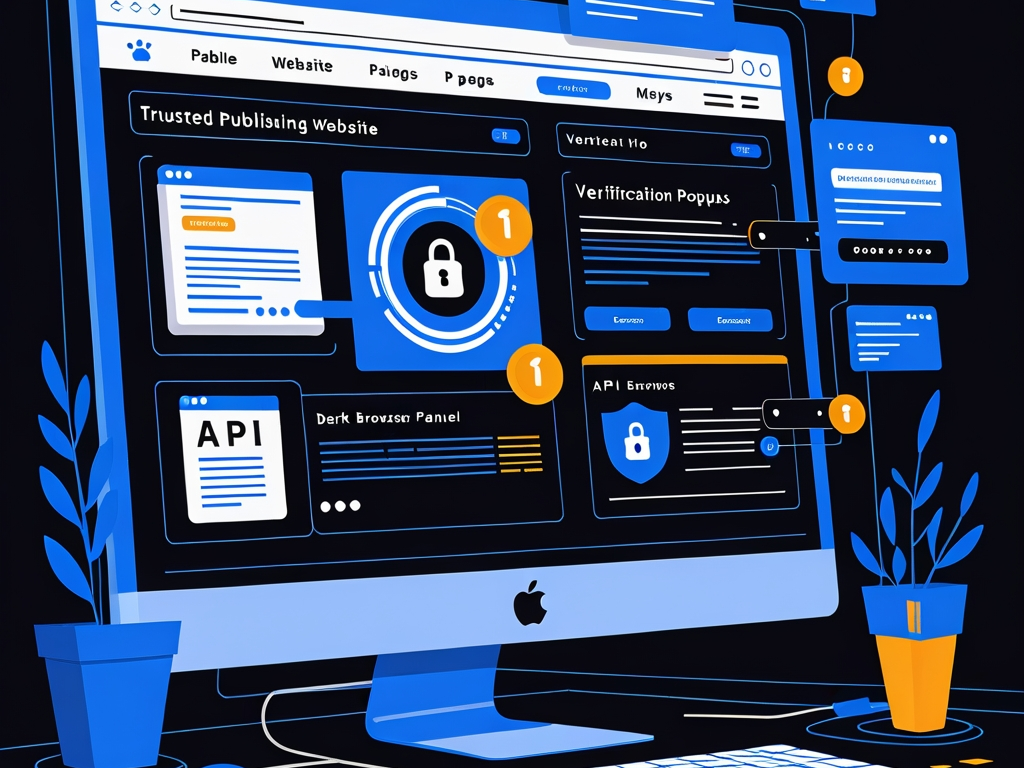
Attackers love trusted surfaces because users lower their guard when the page in front of them already feels legitimate. That is why the May 24, 2026 Ghost CMS story matters more than a routine vulnerability bulletin.
Fresh reporting published today by BleepingComputer says threat actors are actively exploiting CVE-2026-26980, a critical SQL injection flaw in Ghost CMS, to hijack article pages and convert real websites into ClickFix malware delivery points. According to the report, more than 700 domains were impacted across universities, AI and SaaS companies, media outlets, fintech firms, security sites, and personal blogs.
That scale is bad enough on its own. The more important detail is how the attack works once the flaw is exploited.
This is not a smash-and-grab website defacement. The reported chain lets attackers steal admin API keys, edit article content, inject malicious JavaScript, and then present visitors with fake verification prompts that instruct them to run commands on their own machines. In other words, a server-side content flaw becomes an endpoint malware distribution path through the credibility of the victim's own site.
That is the real story worth paying attention to today.
A CMS Flaw Becomes a Malware Delivery Platform
Ghost's advisory says the vulnerability allows unauthenticated attackers to read arbitrary data from the database in affected versions from 3.24.0 through 6.19.0. That alone is serious. But the May 24 exploitation reporting turns the issue into something more operationally dangerous.
Once attackers obtain the admin API key, they do not need to keep hammering the vulnerable endpoint to cause damage. They can act as a legitimate content manager:
- modify article pages
- inject hostile JavaScript into existing content
- stage second-step payloads from attacker infrastructure
- keep the victim domain looking normal long enough to fool visitors
That is a very different defensive problem from a one-time data exposure bug.
When attackers can write into a trusted publishing surface, the website stops being just a server that needs patching. It becomes a distribution channel. That creates two victim groups instead of one:
- the site owner who failed to patch
- the visitors who trust the site and are tricked into running malware
This is why unpatched content platforms deserve more security attention than they often get. They sit at the intersection of trust, identity, and public reach.
Why ClickFix Keeps Working
ClickFix attacks are effective because they abuse a very human instinct: when something looks slightly broken, users are willing to follow instructions to "fix" it.
According to the reporting, the malicious JavaScript loads a second-stage cloaking script that fingerprints visitors and decides whether they are worth targeting. Qualified visitors then receive a fake Cloudflare-style verification page inside an iframe layered over the legitimate article. The page instructs them to paste a provided command into Windows command prompt.
That matters for two reasons.
First, the malware stage is not delivered as an obvious drive-by exploit page. It is delivered through a socially engineered instruction flow on a domain the user may already know.
Second, the attacker can use selective targeting. Not every visitor needs to see the malicious prompt. That makes detection slower and incident response messier because defenders may have difficulty reproducing the exact behavior after the fact.
The result is a blended attack pattern:
- a traditional server-side SQL injection flaw
- credential and API key theft
- client-side JavaScript injection
- selective visitor fingerprinting
- social engineering that pushes malware execution onto the victim
That combination is exactly why this story is more interesting than "another CMS bug."
The Freshness Gate Is the Exploitation Report, Not the Patch Date
Ghost released a fix for this issue on February 19, 2026 in version 6.19.1. SentinelOne also published exploitation details on February 27. Those dates matter for remediation history, but they are not the reason this belongs in today's Hexon.bot run.
The freshness hook is the May 24, 2026 public reporting that ties the vulnerability to a broad current ClickFix campaign affecting more than 700 domains and high-recognition websites. That same-day report changes the story from "patch this CMS flaw" to "here is how a still-unpatched content stack is actively being used to weaponize trust at scale."
That distinction matters because many teams treat old CVEs as solved problems once a patch exists. Attackers do not care when a fix was released. They care whether enough sites still expose a usable path. The May 24 reporting says the answer is yes.
%22%2F%3E%0A%20%20%3Ccircle%20cx%3D%221270%22%20cy%3D%22180%22%20r%3D%22210%22%20fill%3D%22rgba(123%2C%20215%2C%20255%2C%200.18)%22%2F%3E%0A%20%20%3Ccircle%20cx%3D%22310%22%20cy%3D%22710%22%20r%3D%22250%22%20fill%3D%22rgba(52%2C%20211%2C%20153%2C%200.10)%22%2F%3E%0A%20%20%3Cpath%20d%3D%22M160%20708C340%20574%20498%20531%20653%20566C828%20605%20941%20504%201086%20418C1191%20355%201308%20317%201440%20332%22%20stroke%3D%22%237bd7ff%22%20stroke-width%3D%2210%22%20stroke-linecap%3D%22round%22%20opacity%3D%220.85%22%2F%3E%0A%20%20%3Cpath%20d%3D%22M160%20640H1440%22%20stroke%3D%22rgba(255%2C255%2C255%2C0.08)%22%20stroke-width%3D%222%22%2F%3E%0A%20%20%3Cpath%20d%3D%22M160%20298H1440%22%20stroke%3D%22rgba(255%2C255%2C255%2C0.08)%22%20stroke-width%3D%222%22%2F%3E%0A%20%20%3Crect%20x%3D%22160%22%20y%3D%22142%22%20width%3D%22174%22%20height%3D%2236%22%20rx%3D%2218%22%20fill%3D%22rgba(123%2C%20215%2C%20255%2C%200.18)%22%20stroke%3D%22%237bd7ff%22%2F%3E%0A%20%20%3Ctext%20x%3D%22247%22%20y%3D%22166%22%20text-anchor%3D%22middle%22%20fill%3D%22%23D9F4FF%22%20font-size%3D%2218%22%20font-family%3D%22Arial%2C%20Helvetica%2C%20sans-serif%22%20letter-spacing%3D%222%22%3ECYBERSECURITY%3C%2Ftext%3E%0A%20%20%3Ctext%20x%3D%22160%22%20y%3D%22392%22%20fill%3D%22%23F7FBFF%22%20font-size%3D%2266%22%20font-weight%3D%22700%22%20font-family%3D%22Arial%2C%20Helvetica%2C%20sans-serif%22%3EWhy%20This%20Hits%20AI%20and%20SaaS%3C%2Ftext%3E%0A%20%20%3Ctext%20x%3D%22160%22%20y%3D%22470%22%20fill%3D%22%23F7FBFF%22%20font-size%3D%2266%22%20font-weight%3D%22700%22%20font-family%3D%22Arial%2C%20Helvetica%2C%20sans-serif%22%3EBrands%20Especially%20Hard%3C%2Ftext%3E%0A%20%20%3Ctext%20x%3D%22160%22%20y%3D%22554%22%20fill%3D%22%23A8B8C8%22%20font-size%3D%2228%22%20font-family%3D%22Arial%2C%20Helvetica%2C%20sans-serif%22%3EGhost%20CMS%20ClickFix%20Campaign%20Turns%3C%2Ftext%3E%0A%20%20%3Crect%20x%3D%221080%22%20y%3D%22420%22%20width%3D%22274%22%20height%3D%22182%22%20rx%3D%2222%22%20fill%3D%22%230E2231%22%20stroke%3D%22rgba(255%2C255%2C255%2C0.10)%22%2F%3E%0A%20%20%3Crect%20x%3D%221120%22%20y%3D%22458%22%20width%3D%22112%22%20height%3D%2218%22%20rx%3D%229%22%20fill%3D%22%237bd7ff%22%20opacity%3D%220.9%22%2F%3E%0A%20%20%3Crect%20x%3D%221120%22%20y%3D%22498%22%20width%3D%22180%22%20height%3D%2212%22%20rx%3D%226%22%20fill%3D%22rgba(255%2C255%2C255%2C0.2)%22%2F%3E%0A%20%20%3Crect%20x%3D%221120%22%20y%3D%22526%22%20width%3D%22146%22%20height%3D%2212%22%20rx%3D%226%22%20fill%3D%22rgba(255%2C255%2C255%2C0.14)%22%2F%3E%0A%20%20%3Crect%20x%3D%221120%22%20y%3D%22554%22%20width%3D%2288%22%20height%3D%2212%22%20rx%3D%226%22%20fill%3D%22rgba(255%2C255%2C255%2C0.12)%22%2F%3E%0A%20%20%3Ccircle%20cx%3D%221340%22%20cy%3D%22522%22%20r%3D%2244%22%20fill%3D%22rgba(123%2C%20215%2C%20255%2C%200.18)%22%20stroke%3D%22%237bd7ff%22%2F%3E%0A%20%20%3Cpath%20d%3D%22M1322%20522L1336%20536L1360%20506%22%20stroke%3D%22%237bd7ff%22%20stroke-width%3D%228%22%20stroke-linecap%3D%22round%22%20stroke-linejoin%3D%22round%22%2F%3E%0A%20%20%3Ctext%20x%3D%22160%22%20y%3D%22748%22%20fill%3D%22%237BD7FF%22%20font-size%3D%2222%22%20font-family%3D%22Arial%2C%20Helvetica%2C%20sans-serif%22%20letter-spacing%3D%223%22%3EHEXON%20%2F%2F%20SUPPORTING%20VISUAL%3C%2Ftext%3E%0A%3C%2Fsvg%3E)
Why This Hits AI and SaaS Brands Especially Hard
BleepingComputer's reporting says affected domains include AI and SaaS companies. That should make security teams uncomfortable for a reason beyond brand damage.
When a visitor lands on a site belonging to a software vendor, security company, or AI tooling provider, the baseline trust is higher. Users assume the operator understands security. That assumption gives the attacker leverage.
For AI companies, the risk is worse because their audiences often include:
- developers
- IT administrators
- security researchers
- technical buyers
- users already comfortable running commands locally
That is exactly the audience ClickFix operators want. These are people who may follow a verification prompt, try a quick terminal command, and rationalize it as a normal troubleshooting step.
The website becomes a credibility amplifier for the malware lure.
This is a useful reminder that web compromise is no longer just about stolen session cookies or SEO spam. In 2026, compromised sites increasingly act as behavior-shaping infrastructure. The attacker is not only stealing data from the site. They are using the site to influence what the next victim does.
What Defenders Keep Missing About API Key Exposure
Ghost's advisory explicitly warns that this flaw can expose API keys and recommends rotating them after upgrade. That recommendation is easy to read as routine hygiene. It is more important than that.
If an attacker gets a content-management API key, the compromise does not end when the vulnerable request path is blocked. The stolen key may continue to authorize malicious content updates until it is rotated or revoked.
That means patching alone is incomplete. The actual recovery sequence should look more like this:
- Upgrade Ghost to a fixed version.
- Rotate exposed API keys and review staff users.
- Audit article content and theme changes for injected JavaScript.
- Review logs for suspicious admin API activity.
- Assume visitors may already have been exposed to malicious prompts.
Security teams often stop at step one.
That is a mistake because the vulnerability is just the entry point. The durable risk sits in the credentials and content plane the attacker can control afterward.
More Than 700 Domains Means the Detection Problem Is Already Distributed
The reported impact across hundreds of domains changes how this should be thought about operationally.
At small scale, a website compromise can be triaged as a local incident. At larger scale, it starts looking like an ecosystem problem. Shared hosting providers, managed CMS fleets, university web estates, and long-tail business sites often have similar upgrade delays and weak visibility into content-level tampering.
The danger is not only that one vulnerable Ghost site can be compromised. The danger is that many vulnerable sites can be repurposed into a broad malware conveyor system all at once.
That has three consequences:
1. Brand trust becomes an attack surface
The victim domain is part of the lure. Attackers are borrowing credibility from legitimate publishers and organizations.
2. Traditional malware blocking gets less reliable
Users may reach the malicious flow from a domain that would normally be considered low risk or explicitly trusted.
3. Security ownership gets fragmented
The web team patches Ghost. The security team reviews endpoint risk. Marketing owns the content plane. Incident response handles visitor exposure. Attackers benefit from every boundary between those teams.
This is another version of a pattern we keep seeing across modern security incidents: the exploit starts in one layer, but the harm spreads through whatever organizational gap makes nobody fully own the complete chain.
%22%2F%3E%0A%20%20%3Ccircle%20cx%3D%221270%22%20cy%3D%22180%22%20r%3D%22210%22%20fill%3D%22rgba(167%2C%20139%2C%20250%2C%200.18)%22%2F%3E%0A%20%20%3Ccircle%20cx%3D%22310%22%20cy%3D%22710%22%20r%3D%22250%22%20fill%3D%22rgba(52%2C%20211%2C%20153%2C%200.10)%22%2F%3E%0A%20%20%3Cpath%20d%3D%22M160%20708C340%20574%20498%20531%20653%20566C828%20605%20941%20504%201086%20418C1191%20355%201308%20317%201440%20332%22%20stroke%3D%22%23a78bfa%22%20stroke-width%3D%2210%22%20stroke-linecap%3D%22round%22%20opacity%3D%220.85%22%2F%3E%0A%20%20%3Cpath%20d%3D%22M160%20640H1440%22%20stroke%3D%22rgba(255%2C255%2C255%2C0.08)%22%20stroke-width%3D%222%22%2F%3E%0A%20%20%3Cpath%20d%3D%22M160%20298H1440%22%20stroke%3D%22rgba(255%2C255%2C255%2C0.08)%22%20stroke-width%3D%222%22%2F%3E%0A%20%20%3Crect%20x%3D%22160%22%20y%3D%22142%22%20width%3D%22174%22%20height%3D%2236%22%20rx%3D%2218%22%20fill%3D%22rgba(167%2C%20139%2C%20250%2C%200.18)%22%20stroke%3D%22%23a78bfa%22%2F%3E%0A%20%20%3Ctext%20x%3D%22247%22%20y%3D%22166%22%20text-anchor%3D%22middle%22%20fill%3D%22%23D9F4FF%22%20font-size%3D%2218%22%20font-family%3D%22Arial%2C%20Helvetica%2C%20sans-serif%22%20letter-spacing%3D%222%22%3ECYBERSECURITY%3C%2Ftext%3E%0A%20%20%3Ctext%20x%3D%22160%22%20y%3D%22392%22%20fill%3D%22%23F7FBFF%22%20font-size%3D%2266%22%20font-weight%3D%22700%22%20font-family%3D%22Arial%2C%20Helvetica%2C%20sans-serif%22%3EWhat%20Security%20Teams%20Should%3C%2Ftext%3E%0A%20%20%3Ctext%20x%3D%22160%22%20y%3D%22470%22%20fill%3D%22%23F7FBFF%22%20font-size%3D%2266%22%20font-weight%3D%22700%22%20font-family%3D%22Arial%2C%20Helvetica%2C%20sans-serif%22%3EChange%20Right%20Now%3C%2Ftext%3E%0A%20%20%3Ctext%20x%3D%22160%22%20y%3D%22554%22%20fill%3D%22%23A8B8C8%22%20font-size%3D%2228%22%20font-family%3D%22Arial%2C%20Helvetica%2C%20sans-serif%22%3EGhost%20CMS%20ClickFix%20Campaign%20Turns%3C%2Ftext%3E%0A%20%20%3Crect%20x%3D%221080%22%20y%3D%22420%22%20width%3D%22274%22%20height%3D%22182%22%20rx%3D%2222%22%20fill%3D%22%230E2231%22%20stroke%3D%22rgba(255%2C255%2C255%2C0.10)%22%2F%3E%0A%20%20%3Crect%20x%3D%221120%22%20y%3D%22458%22%20width%3D%22112%22%20height%3D%2218%22%20rx%3D%229%22%20fill%3D%22%23a78bfa%22%20opacity%3D%220.9%22%2F%3E%0A%20%20%3Crect%20x%3D%221120%22%20y%3D%22498%22%20width%3D%22180%22%20height%3D%2212%22%20rx%3D%226%22%20fill%3D%22rgba(255%2C255%2C255%2C0.2)%22%2F%3E%0A%20%20%3Crect%20x%3D%221120%22%20y%3D%22526%22%20width%3D%22146%22%20height%3D%2212%22%20rx%3D%226%22%20fill%3D%22rgba(255%2C255%2C255%2C0.14)%22%2F%3E%0A%20%20%3Crect%20x%3D%221120%22%20y%3D%22554%22%20width%3D%2288%22%20height%3D%2212%22%20rx%3D%226%22%20fill%3D%22rgba(255%2C255%2C255%2C0.12)%22%2F%3E%0A%20%20%3Ccircle%20cx%3D%221340%22%20cy%3D%22522%22%20r%3D%2244%22%20fill%3D%22rgba(167%2C%20139%2C%20250%2C%200.18)%22%20stroke%3D%22%23a78bfa%22%2F%3E%0A%20%20%3Cpath%20d%3D%22M1322%20522L1336%20536L1360%20506%22%20stroke%3D%22%23a78bfa%22%20stroke-width%3D%228%22%20stroke-linecap%3D%22round%22%20stroke-linejoin%3D%22round%22%2F%3E%0A%20%20%3Ctext%20x%3D%22160%22%20y%3D%22748%22%20fill%3D%22%237BD7FF%22%20font-size%3D%2222%22%20font-family%3D%22Arial%2C%20Helvetica%2C%20sans-serif%22%20letter-spacing%3D%223%22%3EHEXON%20%2F%2F%20SUPPORTING%20VISUAL%3C%2Ftext%3E%0A%3C%2Fsvg%3E)
What Security Teams Should Change Right Now
This incident supports a straightforward defensive checklist.
1. Treat content platforms as security-sensitive infrastructure
Ghost, WordPress, headless CMS platforms, static-site admin consoles, and other publishing systems are often treated as marketing plumbing. They are not. They are trusted public execution surfaces that can be used to stage malware and brand impersonation.
2. Rotate keys after patching, not just before the next sprint
If a vulnerability can expose API or admin keys, rotation is part of containment, not a nice-to-have cleanup task.
3. Hunt for injected JavaScript in articles and themes
Server patching does not remove malicious content already written into the site. Review article bodies, templates, custom code blocks, and theme files for unauthorized script changes.
4. Preserve enough logs to reconstruct abuse
The exploitation reporting highlights the value of admin API call history. If you do not retain those records, you may have no reliable way to determine how long the attacker had content access or what pages were altered.
5. Warn internal users against ClickFix-style prompts
Users still need to hear a simple rule: legitimate sites do not require you to paste commands into terminal or command prompt to prove you are human.
The Bigger Lesson: Trust on the Web Is a Shared Dependency
This May 24 Ghost CMS story is distinct enough to matter because it is not only about CMS patching and it is not only about malware. It sits in the middle of both.
The attack chain shows how an old but unpatched server-side flaw can be recycled into a modern social-engineering operation. The attacker steals administrative power from the site, repackages the site as a trusted-looking lure, then pushes the final malware execution step onto the visitor.
That is a powerful model because it scales. Attackers do not need every victim to visit a suspicious domain. They can wait for victims to come to a familiar site and then bend the experience just enough to capture them.
For defenders, that means website security is no longer just about uptime, defacement prevention, or protecting content integrity. It is now directly tied to endpoint compromise risk and brand abuse risk.
If your public content system can be turned into a malware funnel, it belongs much closer to the center of your security model.
FAQ: What This Ghost CMS Campaign Changes
What is CVE-2026-26980?
It is a Ghost CMS SQL injection vulnerability that affects versions 3.24.0 through 6.19.0 and allows unauthenticated attackers to read arbitrary data from the database, including admin API keys.
Why is the May 24 reporting important if the patch is older?
Because the May 24 public report documents a broad current exploitation campaign that is turning still-vulnerable Ghost sites into ClickFix malware delivery surfaces. The fresh story is the active abuse at scale, not the original patch release.
Why is API key rotation necessary after patching?
Because attackers may already have stolen administrative keys before the upgrade. Without rotation, they may retain the ability to modify content even after the vulnerable code path is closed.
What is the simplest user safety rule here?
If a website asks you to paste a command into terminal or command prompt to prove you are human, assume it is hostile.
Conclusion
The Ghost CMS incident is a reminder that patch lag is not just a compliance problem. It is a trust conversion problem.
Fresh reporting published on May 24 shows attackers taking an older but still-viable SQL injection flaw, stealing the authority needed to manage content, and then using real websites as the last-mile delivery layer for ClickFix malware.
That is why this story deserves attention today. It is not just about Ghost. It is about how quickly a trusted public platform becomes an attacker-owned persuasion channel when patching, key rotation, and content integrity controls fall out of sync.
In 2026, malware does not always arrive from an obviously shady domain. Sometimes it arrives from a site your team already trusts because the attacker learned that credibility is easier to weaponize than to fake.