The intelligence feedUpdated as material events develop
Analysis / Research / Guidance
The Briefing
Independent reporting on AI security, exploited vulnerabilities, and enterprise cyber risk. Built to help defenders understand what changed and what deserves action.
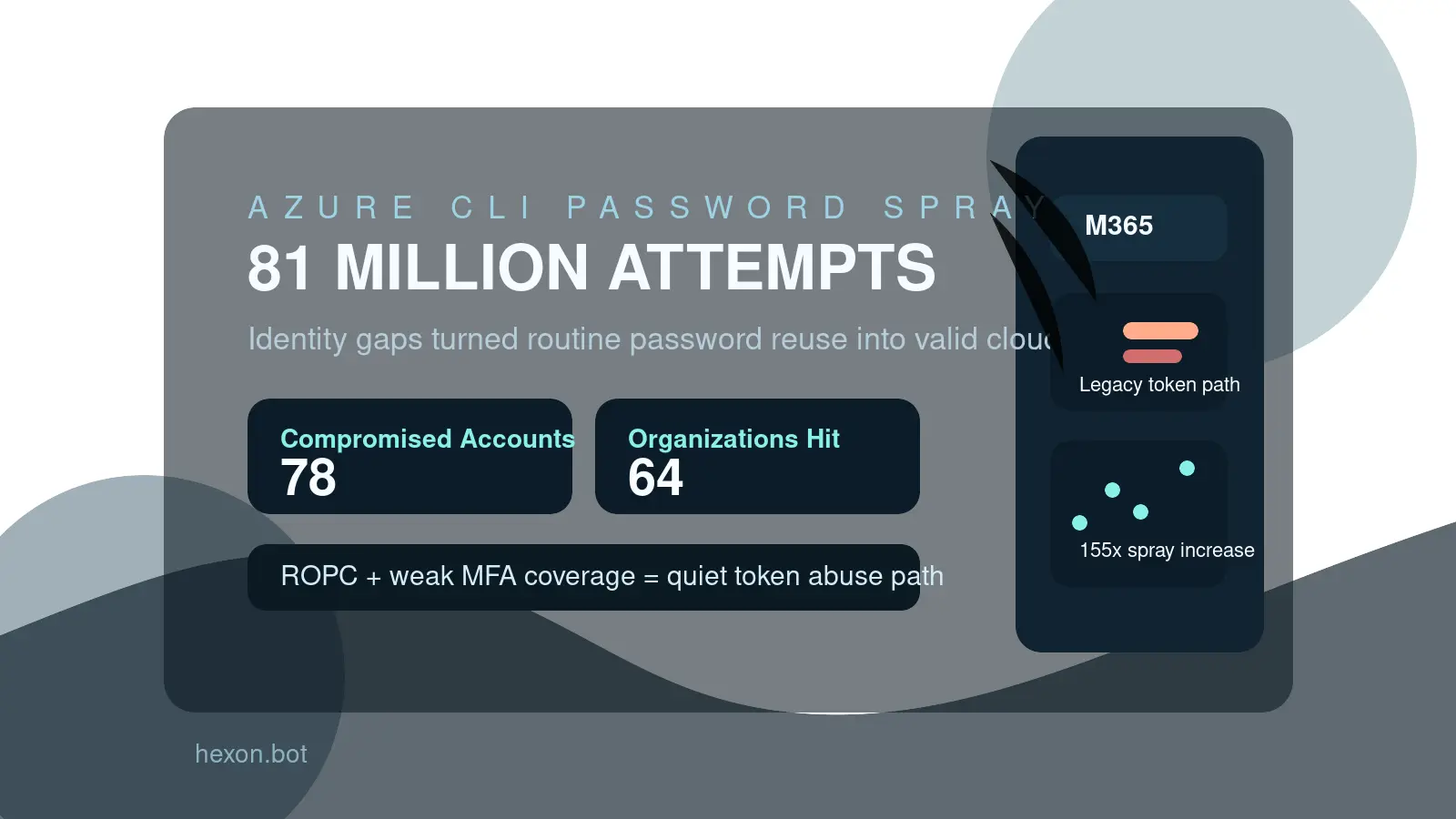
Azure CLI password spray attacks became a same-day security issue on July 1, 2026, after fresh reporting showed 81 million login attempts compromised at least 78 Microsoft accounts across 64 organizations. The bigger lesson is that password spraying still works when identity policy leaves older auth paths and incomplete MFA coverage in place.
AI browser security became a same-day operational issue on June 30, 2026, when The Hacker News reported LayerX's BioShocking technique to a broader security audience. The bigger lesson is that agentic browsers do not just browse risky content. They can carry your authenticated sessions straight into an attacker-controlled prompt injection path.
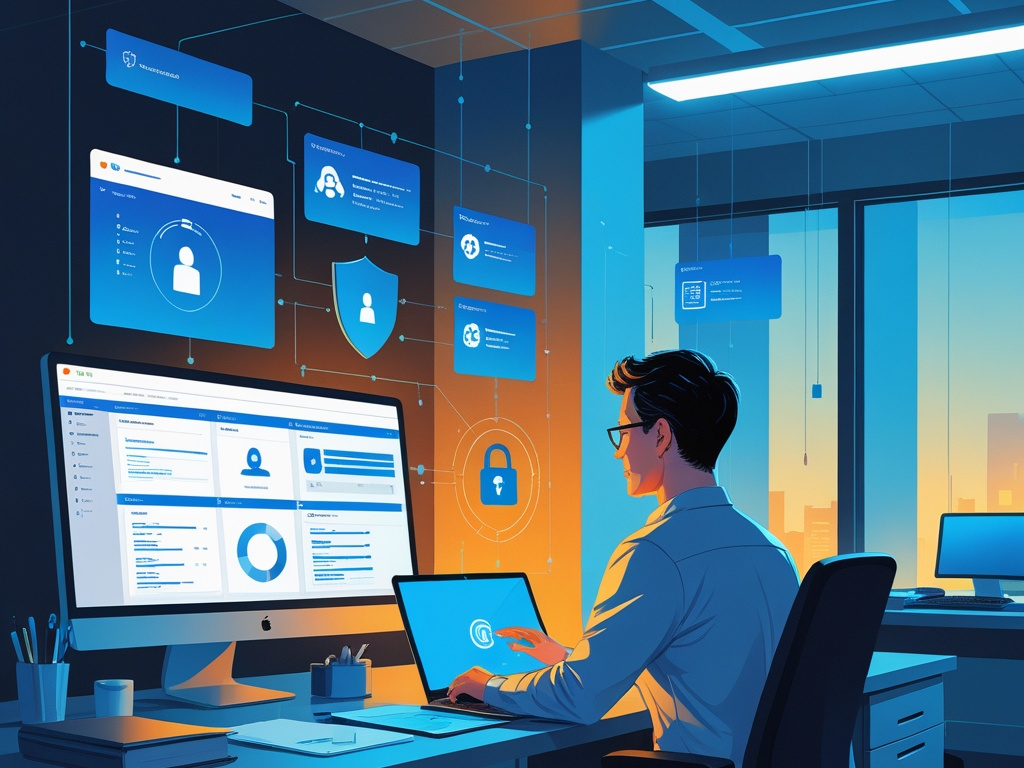
Too many small businesses still treat admin access as a convenience instead of a high-impact risk. This practical least-privilege checklist shows how to separate standard and privileged accounts, tighten device and SaaS admin rights, and reduce the damage from one compromised login.
libssh2 CVE-2026-55200 became a same-day operational story on June 29, 2026, when public PoC coverage pushed a client-side SSH library bug into the wider defender workflow. The real challenge is not only patching one package. It is finding every bundled or static libssh2 copy hiding inside tools, appliances, backup agents, and developer systems.
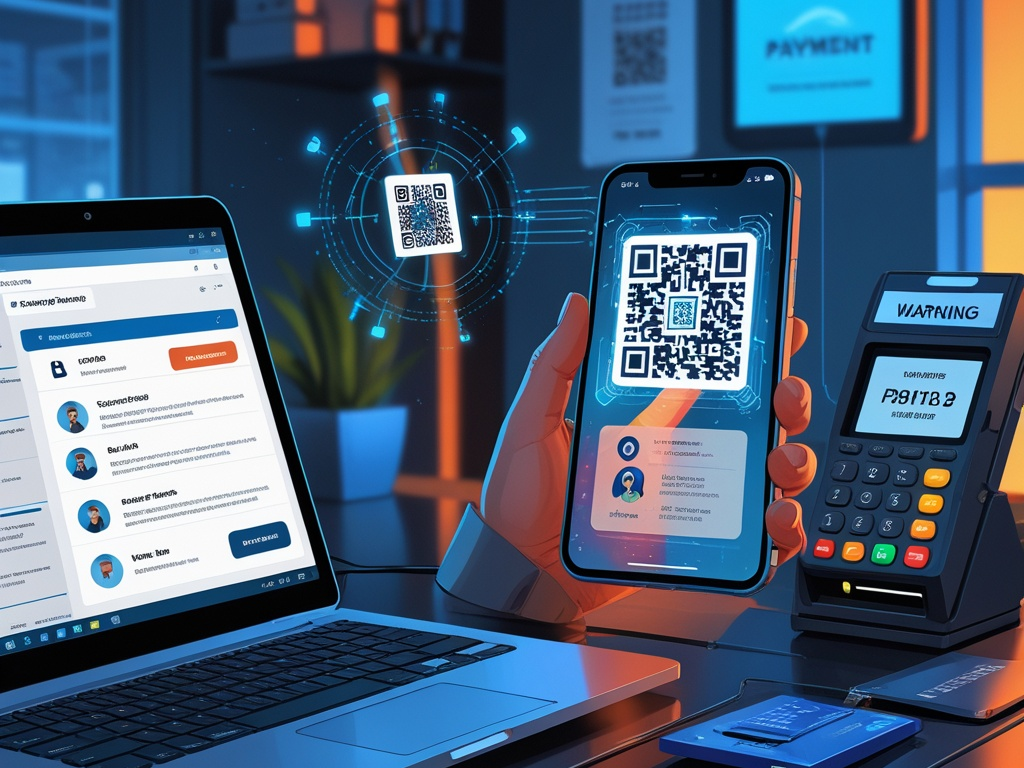
QR code phishing has moved from restaurant menus and parking meters into work sign-ins, guest Wi-Fi onboarding, invoices, and office workflows. This practical checklist shows small teams how to reduce business quishing risk without banning QR codes outright.
The clean GitHub repo AI coding agent malware story became fresh on June 27, 2026, when BleepingComputer reported Mozilla 0DIN's demonstration that Claude Code could walk itself into a hidden shell chain during normal project setup. This breakdown explains why error recovery, dependency initialization, and runtime trust now matter as much as prompt filtering in AI coding workflows.
Text message scams are now a routine business security problem, not just a consumer nuisance. This practical checklist shows small teams how to reduce smishing risk across phones, MFA prompts, payroll requests, and executive impersonation.
Summer travel, conferences, hotel Wi-Fi, and mixed-use devices create an easy security mess for small teams. This practical checklist shows how to protect work laptops, phones, accounts, and files before, during, and after a trip.
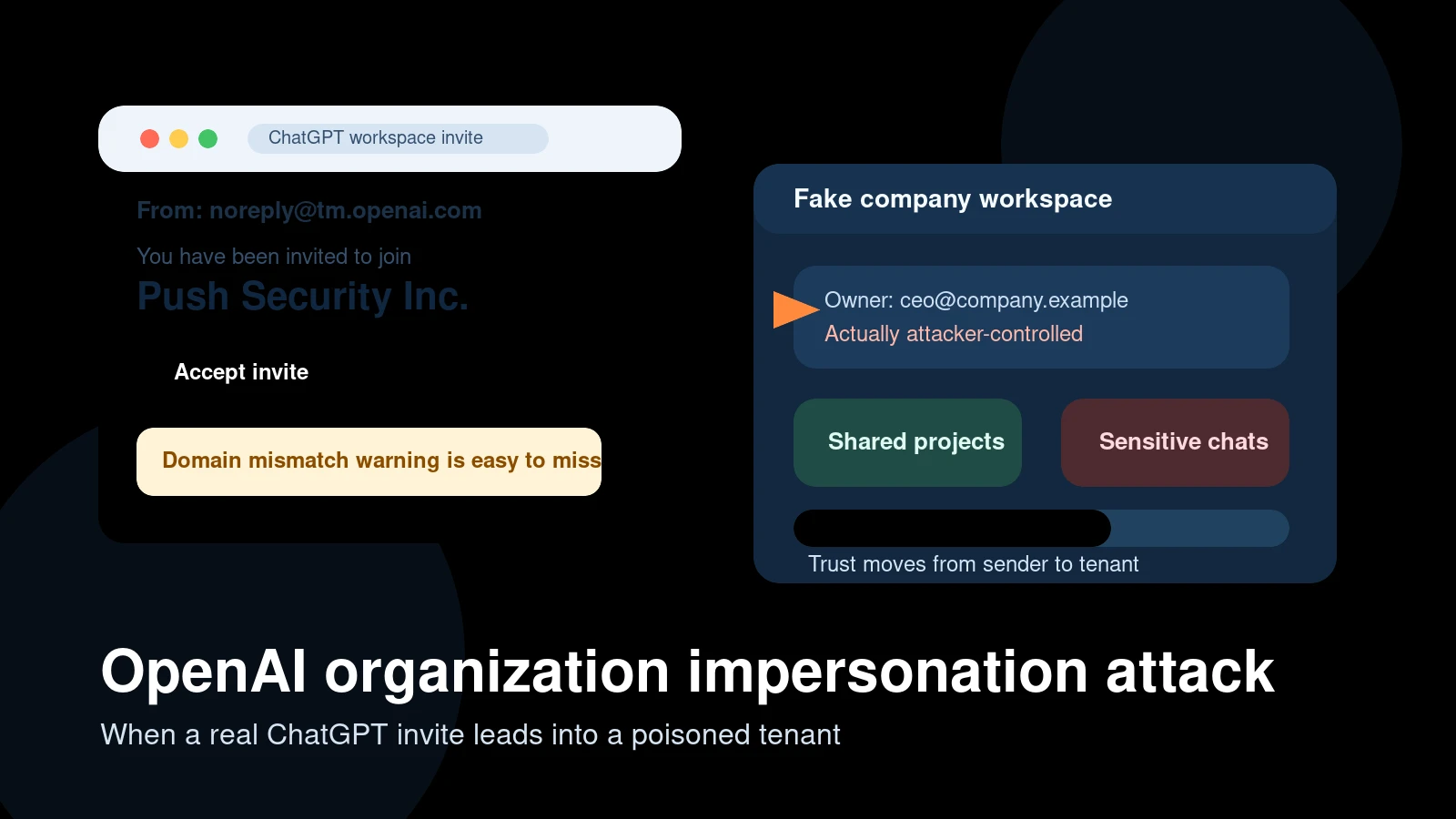
The OpenAI organization impersonation attack became a fresh security story on June 26, 2026, when BleepingComputer reported attackers using legitimate ChatGPT workspace invites to impersonate real companies. This breakdown explains why trusted sender reputation is not enough, what the poisoned-tenant pattern changes, and how teams should harden invite-based SaaS workflows.
 Cybersecurity