The intelligence feedUpdated as material events develop
Analysis / Research / Guidance
The Briefing
Independent reporting on AI security, exploited vulnerabilities, and enterprise cyber risk. Built to help defenders understand what changed and what deserves action.
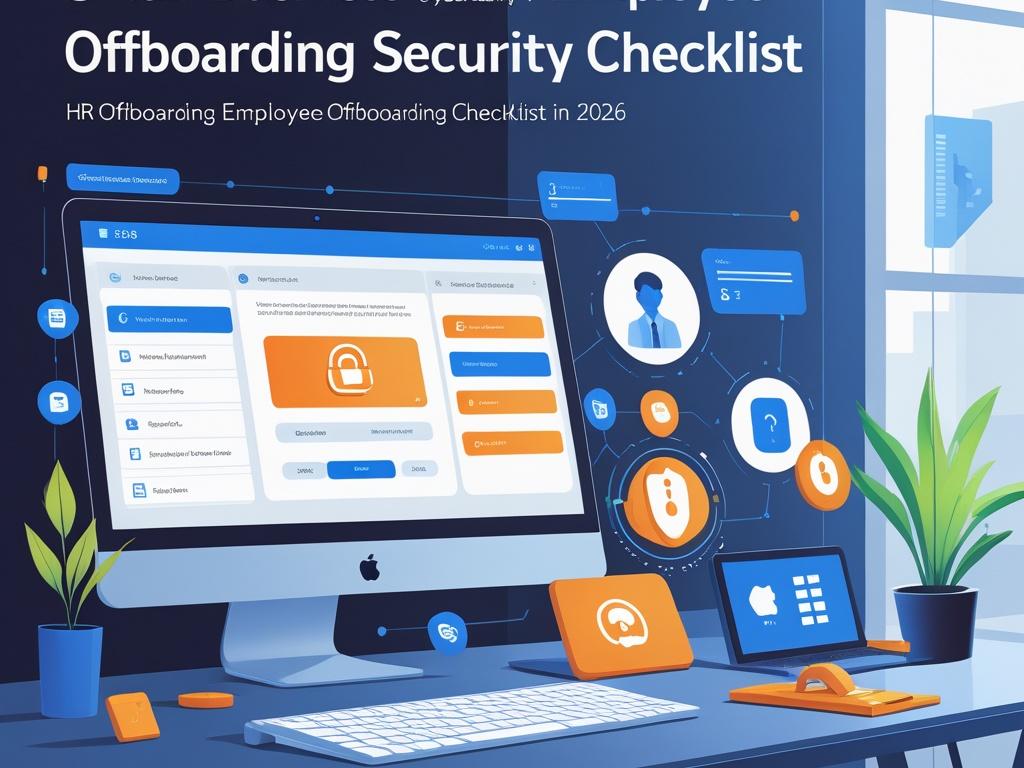
Offboarding mistakes still leave former employees, contractors, and shared devices tied to business systems long after access should be gone. This practical checklist shows small businesses what to disable on day one and what to review during the first week.
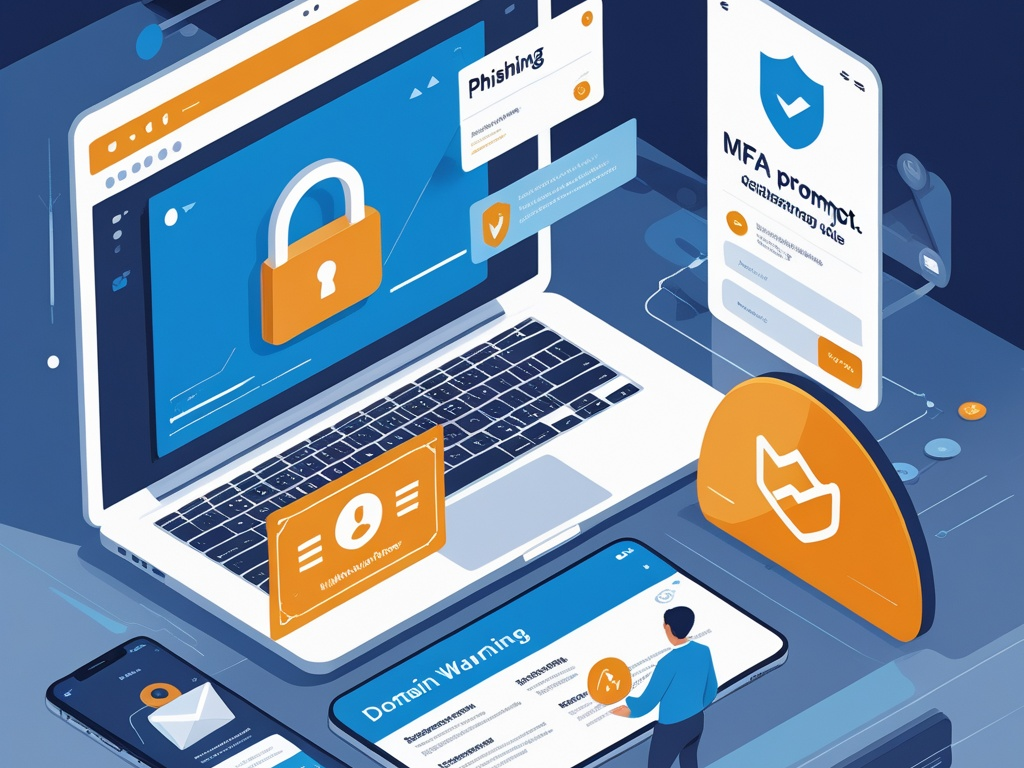
MFA still blocks plenty of account takeovers, but repeated push prompts, rushed approvals, and weak recovery paths keep turning it into a softer control than many teams realize. This practical guide shows small teams how to reduce MFA fatigue without making everyday sign-in miserable.
The Mastra AI supply chain attack became a sharper security story on June 20, 2026, when fresh reporting linked the compromise to North Korea's Sapphire Sleet. The bigger lesson is that one stale maintainer account can poison an entire AI framework trust chain across developer laptops, CI pipelines, and downstream software builds.
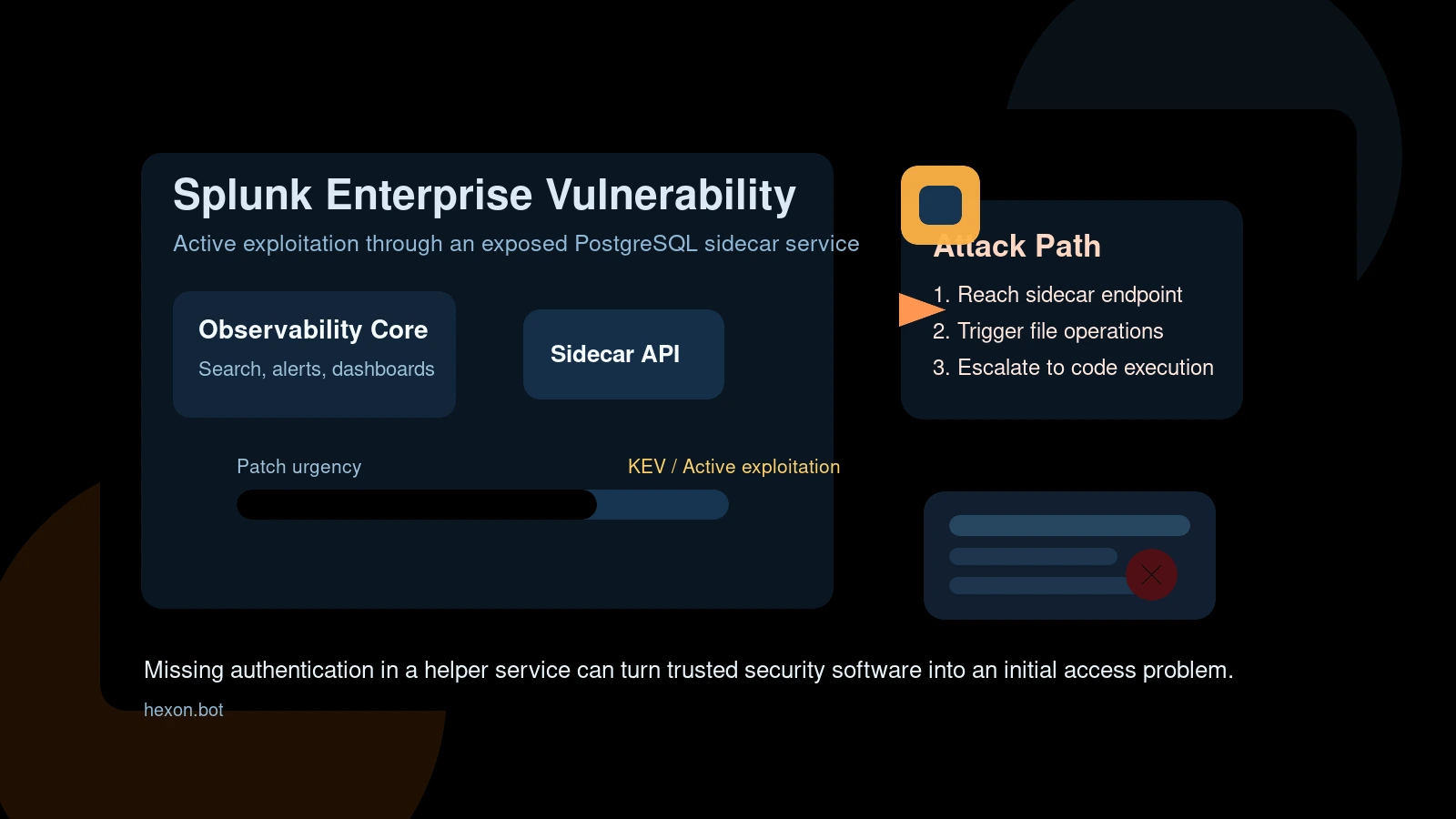
The Splunk Enterprise vulnerability story turned urgent on June 19, 2026, when fresh reporting confirmed active exploitation of CVE-2026-20253 and a federal patch deadline. The larger lesson is that a security data platform can become a pre-auth access path when a sidecar service expands trust faster than defenders review it.
Guest Wi-Fi is not just a convenience amenity anymore. It is a trust boundary for customers, contractors, personal devices, and smart office gear. This practical checklist shows small businesses how to separate visitor internet access from business systems without overbuilding the network.
The SocGholish botnet takedown became a same-day security story on June 19, 2026, when fresh reporting confirmed that Operation Endgame disrupted 106 servers and cleaned nearly 15,000 infected WordPress sites. The larger lesson is that removing infected sites is only one layer of defense when FakeUpdates malware still thrives on weak CMS hygiene, stolen credentials, and the economics of initial access.
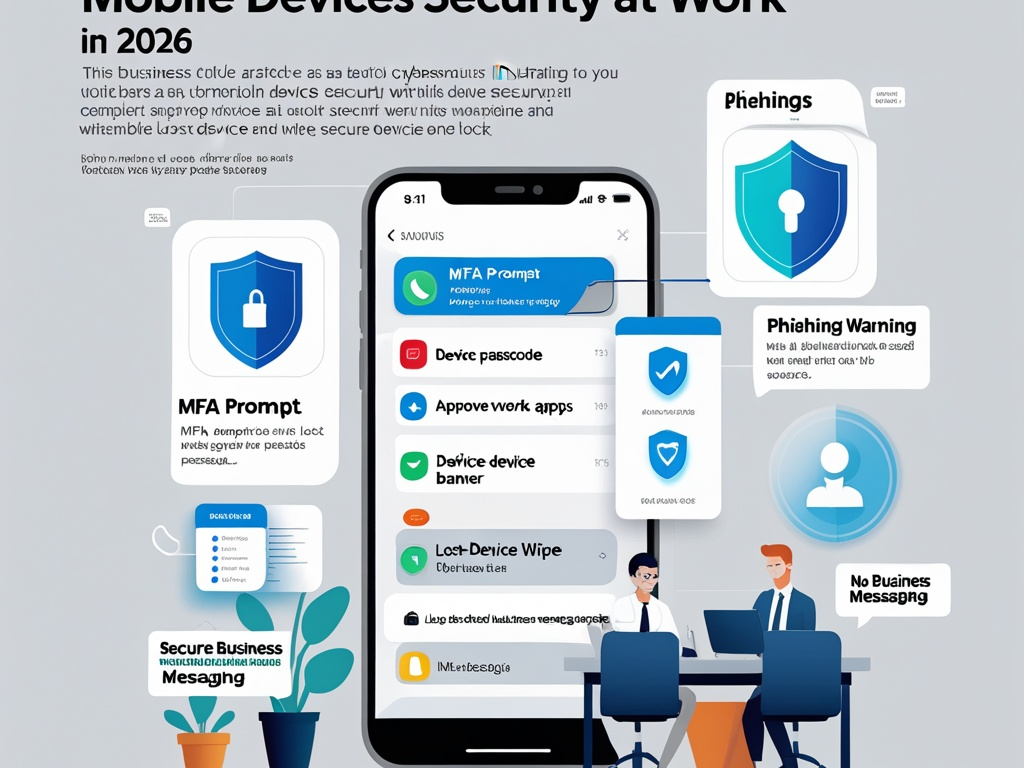
Work now happens through phones as much as laptops for MFA prompts, email, messaging, file access, and SaaS approvals. This practical checklist shows small teams how to reduce mobile risk in 2026 without turning every work phone into an IT project.
The Klue OAuth breach became a same-day enterprise security warning on June 18, 2026, when fresh reporting tied a compromised Salesforce-connected integration to live CRM data theft and extortion. The bigger lesson is not just that one vendor was breached. It is that trusted SaaS integrations can quietly become the shortest route into customer records, pricing data, and deal intelligence.
Email is still where resets, invoices, approvals, vendor threads, and account recovery converge. This practical checklist shows small teams how to tighten inbox security in 2026 without turning daily communication into a chore.
 Cybersecurity