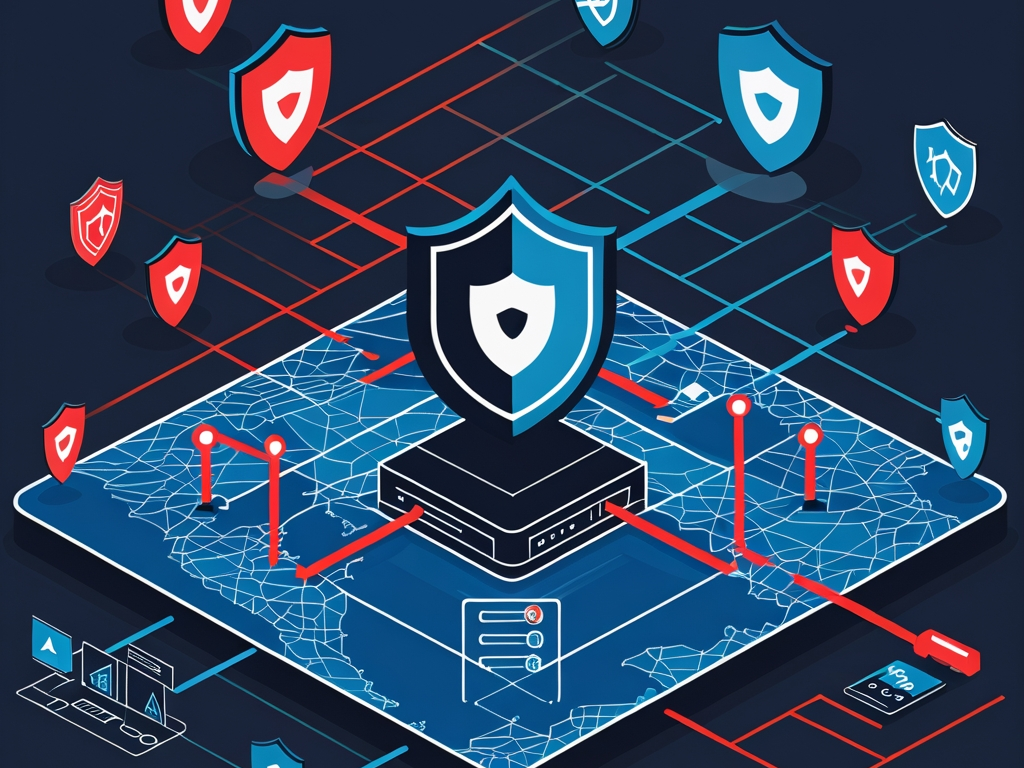
Security teams usually think about endpoint protection as the thing that blocks the blast radius. The newly reported Trend Micro Apex One zero-day is a useful reminder that, under the wrong conditions, the protection layer can also become the blast radius.
Fresh public reporting published on May 22, 2026 highlights active exploitation of CVE-2026-34926, a directory traversal flaw affecting on-premise Trend Micro Apex One. The bug is not a simple internet-wide worm case. Trend Micro says the attacker must already have access to the Apex One server and administrative credentials to that server. That limitation matters, but it should not calm defenders too much. Once an attacker reaches a privileged security console that can push code and policy to endpoints, they are no longer fighting for one machine. They are fighting for the trust fabric of the environment.
That is what makes this story worth attention today.
According to Trend Micro details cited by SecurityWeek and The Hacker News, the flaw could allow an attacker to modify a key table on the server to inject malicious code for deployment to managed agents on affected installations. CISA added the issue to the Known Exploited Vulnerabilities catalog on May 21, confirming there is evidence of active exploitation in the wild and giving federal agencies until June 4 to remediate it.
This is the detail that changes the shape of the risk. Apex One is not just another application with sensitive data behind it. It is an endpoint security management plane. If that plane is compromised, the attacker may be able to use a trusted defensive channel to move malicious instructions outward at enterprise scale.
The Real Danger Is Not the CVSS Score
At first glance, CVE-2026-34926 does not read like the loudest story of the week. The reported severity is mid-range, the flaw affects on-premise deployments, and exploitation requires prior server access plus administrative credentials. Plenty of teams will look at those conditions and put this issue behind higher-scoring remote bugs.
That would be the wrong instinct.
The most important question in vulnerability management is not only "how easy is initial exploitation?" It is also "what trusted control plane does successful exploitation give the attacker?" In this case, the answer is a security product that already has permission to distribute changes across managed endpoints.
That makes the flaw strategically dangerous even if the path to trigger it is narrower than a random remote code execution issue on a public web server.
Key Takeaway: A vulnerability inside a security platform deserves to be judged not only by entry difficulty, but by the authority the platform already holds over the environment.
Why Security Tools Are Such Attractive Targets
Endpoint protection platforms sit in an awkward but critical position. They are defenders by purpose, but they are also highly privileged orchestration systems by design.
A mature endpoint security product can often:
- deploy or update agents on large numbers of systems
- push policies and configuration changes
- quarantine, delete, or move files
- run scans and investigations with elevated visibility
- maintain deep telemetry on hosts
That is valuable when the product is operating normally. It is equally valuable to an intruder who reaches the management tier first.
In other words, compromising a security console can offer something better than moving manually from host to host. It can offer centrally authorized reach.
This is why the Trend Micro story should be read less as "another product had a vulnerability" and more as "another privileged administrative plane became an active attack path." The same logic applies across EDR, identity, backup, RMM, patching, and device-management systems. Once a product is allowed to act broadly in the environment, the product itself becomes a high-value target.
%22%2F%3E%0A%20%20%3Ccircle%20cx%3D%221270%22%20cy%3D%22180%22%20r%3D%22210%22%20fill%3D%22rgba(123%2C%20215%2C%20255%2C%200.18)%22%2F%3E%0A%20%20%3Ccircle%20cx%3D%22310%22%20cy%3D%22710%22%20r%3D%22250%22%20fill%3D%22rgba(52%2C%20211%2C%20153%2C%200.10)%22%2F%3E%0A%20%20%3Cpath%20d%3D%22M160%20708C340%20574%20498%20531%20653%20566C828%20605%20941%20504%201086%20418C1191%20355%201308%20317%201440%20332%22%20stroke%3D%22%237bd7ff%22%20stroke-width%3D%2210%22%20stroke-linecap%3D%22round%22%20opacity%3D%220.85%22%2F%3E%0A%20%20%3Cpath%20d%3D%22M160%20640H1440%22%20stroke%3D%22rgba(255%2C255%2C255%2C0.08)%22%20stroke-width%3D%222%22%2F%3E%0A%20%20%3Cpath%20d%3D%22M160%20298H1440%22%20stroke%3D%22rgba(255%2C255%2C255%2C0.08)%22%20stroke-width%3D%222%22%2F%3E%0A%20%20%3Crect%20x%3D%22160%22%20y%3D%22142%22%20width%3D%22174%22%20height%3D%2236%22%20rx%3D%2218%22%20fill%3D%22rgba(123%2C%20215%2C%20255%2C%200.18)%22%20stroke%3D%22%237bd7ff%22%2F%3E%0A%20%20%3Ctext%20x%3D%22247%22%20y%3D%22166%22%20text-anchor%3D%22middle%22%20fill%3D%22%23D9F4FF%22%20font-size%3D%2218%22%20font-family%3D%22Arial%2C%20Helvetica%2C%20sans-serif%22%20letter-spacing%3D%222%22%3ECYBERSECURITY%3C%2Ftext%3E%0A%20%20%3Ctext%20x%3D%22160%22%20y%3D%22392%22%20fill%3D%22%23F7FBFF%22%20font-size%3D%2266%22%20font-weight%3D%22700%22%20font-family%3D%22Arial%2C%20Helvetica%2C%20sans-serif%22%3EThe%20Attack%20Path%20Matters%20More%3C%2Ftext%3E%0A%20%20%3Ctext%20x%3D%22160%22%20y%3D%22470%22%20fill%3D%22%23F7FBFF%22%20font-size%3D%2266%22%20font-weight%3D%22700%22%20font-family%3D%22Arial%2C%20Helvetica%2C%20sans-serif%22%3EThan%20the%20Prerequisites%20Sound%3C%2Ftext%3E%0A%20%20%3Ctext%20x%3D%22160%22%20y%3D%22554%22%20fill%3D%22%23A8B8C8%22%20font-size%3D%2228%22%20font-family%3D%22Arial%2C%20Helvetica%2C%20sans-serif%22%3ETrend%20Micro%20Apex%20One%20Zero-Day%20Shows%20Why%3C%2Ftext%3E%0A%20%20%3Crect%20x%3D%221080%22%20y%3D%22420%22%20width%3D%22274%22%20height%3D%22182%22%20rx%3D%2222%22%20fill%3D%22%230E2231%22%20stroke%3D%22rgba(255%2C255%2C255%2C0.10)%22%2F%3E%0A%20%20%3Crect%20x%3D%221120%22%20y%3D%22458%22%20width%3D%22112%22%20height%3D%2218%22%20rx%3D%229%22%20fill%3D%22%237bd7ff%22%20opacity%3D%220.9%22%2F%3E%0A%20%20%3Crect%20x%3D%221120%22%20y%3D%22498%22%20width%3D%22180%22%20height%3D%2212%22%20rx%3D%226%22%20fill%3D%22rgba(255%2C255%2C255%2C0.2)%22%2F%3E%0A%20%20%3Crect%20x%3D%221120%22%20y%3D%22526%22%20width%3D%22146%22%20height%3D%2212%22%20rx%3D%226%22%20fill%3D%22rgba(255%2C255%2C255%2C0.14)%22%2F%3E%0A%20%20%3Crect%20x%3D%221120%22%20y%3D%22554%22%20width%3D%2288%22%20height%3D%2212%22%20rx%3D%226%22%20fill%3D%22rgba(255%2C255%2C255%2C0.12)%22%2F%3E%0A%20%20%3Ccircle%20cx%3D%221340%22%20cy%3D%22522%22%20r%3D%2244%22%20fill%3D%22rgba(123%2C%20215%2C%20255%2C%200.18)%22%20stroke%3D%22%237bd7ff%22%2F%3E%0A%20%20%3Cpath%20d%3D%22M1322%20522L1336%20536L1360%20506%22%20stroke%3D%22%237bd7ff%22%20stroke-width%3D%228%22%20stroke-linecap%3D%22round%22%20stroke-linejoin%3D%22round%22%2F%3E%0A%20%20%3Ctext%20x%3D%22160%22%20y%3D%22748%22%20fill%3D%22%237BD7FF%22%20font-size%3D%2222%22%20font-family%3D%22Arial%2C%20Helvetica%2C%20sans-serif%22%20letter-spacing%3D%223%22%3EHEXON%20%2F%2F%20SUPPORTING%20VISUAL%3C%2Ftext%3E%0A%3C%2Fsvg%3E)
The Attack Path Matters More Than the Prerequisites Sound
Trend Micro's advisory language, as quoted in public reporting, says exploitation requires access to the Apex One server and administrative credentials. Some readers will translate that to "already game over."
That is too simplistic.
Yes, an attacker who already controls the server and admin credentials is in a strong position. But enterprise attacks rarely unfold as one clean step. Initial access can come from phishing, identity theft, a vulnerable VPN appliance, a misconfigured remote tool, or lateral movement through another overlooked internal service. Once an attacker has that foothold, they start looking for systems that multiply their reach.
Security consoles do exactly that.
This is why "local" or "authenticated" should never be treated as synonyms for "low priority." In a modern intrusion, authenticated access is often the stage right before the attacker tries to scale. The control plane is where scaling happens.
What CISA's KEV Addition Signals
CISA's decision to add CVE-2026-34926 to the KEV catalog matters for a simple reason: KEV is supposed to reflect flaws that are not merely theoretical.
On May 21, 2026, CISA added the Trend Micro Apex One issue alongside an exploited Langflow flaw, stating there is evidence of active exploitation. That does not give defenders a full campaign narrative, and public reporting does not attribute the activity to a named actor yet. But it does settle the question that matters most operationally: attackers are not waiting around for perfect conditions before going after this class of weakness.
For security leaders, KEV inclusion should change the conversation from "should we patch?" to "what else could already be trusted too broadly around this platform?"
That includes:
- who can reach the Apex One server
- how admin credentials to that server are protected
- whether the management plane is segmented from routine user paths
- how agent deployment actions are logged and reviewed
- what containment steps exist if the console itself is suspected compromised
The Larger Lesson: Defensive Infrastructure Is Still Infrastructure
There is a persistent mental trap in enterprise security where teams think of security tooling as outside the normal rules of platform risk. It is "security," so it gets trusted by default.
That is backwards.
Defensive infrastructure is still infrastructure. It still has code paths, permissions, update channels, configuration stores, and administrative interfaces. In some environments it has more authority than ordinary production software. That means it should receive more scrutiny, not less.
The deeper problem is architectural. Many organizations concentrate enormous privileges inside a small number of administrative platforms because centralization is operationally convenient. That convenience creates leverage for defenders, but also leverage for attackers. If a single management plane can push action broadly, a single compromise can do the same.
This is the same pattern defenders have had to learn repeatedly with RMM tools, software deployment systems, and identity providers. Security suites are not exempt from that rule. They are some of the strongest examples of it.
What Defenders Should Change Right Now
This story points to several concrete actions that matter immediately.
1. Treat security consoles like tier-zero systems
If the platform can distribute code, policy, or agent actions across the fleet, it belongs in the highest-protection administrative tier. That means tighter network access, stronger authentication controls, limited admin membership, and heightened monitoring.
2. Review administrative reach into the server
Trend Micro's reported exploitation conditions make server access and admin credentials central to the risk model. Review which accounts can administer Apex One, where those credentials live, how often they are used, and whether they are protected with strong segmentation and privileged access workflows.
3. Monitor the deployment channel, not just the endpoints
Many teams focus on endpoint telemetry after a compromise. That is necessary but incomplete. If the management plane is the attack surface, defenders also need high-confidence logging around policy pushes, package changes, key-table modifications, unexpected deployment events, and unusual admin operations on the console itself.
4. Build a containment plan for the security tool
Too many incident response playbooks assume the EDR or endpoint suite remains trustworthy during an incident. That assumption fails if the console is what got hit. Teams should know in advance how to isolate the server, validate recent pushes, rotate administrative access, and verify agent integrity if the platform comes under suspicion.
5. Do not let the moderate score lower the operational priority
A CVSS number can help triage at scale, but it cannot tell you whether a compromised product becomes a privileged broadcast mechanism. This is one of those cases where enterprise context matters more than the abstract score.
%22%2F%3E%0A%20%20%3Ccircle%20cx%3D%221270%22%20cy%3D%22180%22%20r%3D%22210%22%20fill%3D%22rgba(167%2C%20139%2C%20250%2C%200.18)%22%2F%3E%0A%20%20%3Ccircle%20cx%3D%22310%22%20cy%3D%22710%22%20r%3D%22250%22%20fill%3D%22rgba(52%2C%20211%2C%20153%2C%200.10)%22%2F%3E%0A%20%20%3Cpath%20d%3D%22M160%20708C340%20574%20498%20531%20653%20566C828%20605%20941%20504%201086%20418C1191%20355%201308%20317%201440%20332%22%20stroke%3D%22%23a78bfa%22%20stroke-width%3D%2210%22%20stroke-linecap%3D%22round%22%20opacity%3D%220.85%22%2F%3E%0A%20%20%3Cpath%20d%3D%22M160%20640H1440%22%20stroke%3D%22rgba(255%2C255%2C255%2C0.08)%22%20stroke-width%3D%222%22%2F%3E%0A%20%20%3Cpath%20d%3D%22M160%20298H1440%22%20stroke%3D%22rgba(255%2C255%2C255%2C0.08)%22%20stroke-width%3D%222%22%2F%3E%0A%20%20%3Crect%20x%3D%22160%22%20y%3D%22142%22%20width%3D%22174%22%20height%3D%2236%22%20rx%3D%2218%22%20fill%3D%22rgba(167%2C%20139%2C%20250%2C%200.18)%22%20stroke%3D%22%23a78bfa%22%2F%3E%0A%20%20%3Ctext%20x%3D%22247%22%20y%3D%22166%22%20text-anchor%3D%22middle%22%20fill%3D%22%23D9F4FF%22%20font-size%3D%2218%22%20font-family%3D%22Arial%2C%20Helvetica%2C%20sans-serif%22%20letter-spacing%3D%222%22%3ECYBERSECURITY%3C%2Ftext%3E%0A%20%20%3Ctext%20x%3D%22160%22%20y%3D%22392%22%20fill%3D%22%23F7FBFF%22%20font-size%3D%2266%22%20font-weight%3D%22700%22%20font-family%3D%22Arial%2C%20Helvetica%2C%20sans-serif%22%3EWhy%20This%20Story%20Is%20Distinct%3C%2Ftext%3E%0A%20%20%3Ctext%20x%3D%22160%22%20y%3D%22470%22%20fill%3D%22%23F7FBFF%22%20font-size%3D%2266%22%20font-weight%3D%22700%22%20font-family%3D%22Arial%2C%20Helvetica%2C%20sans-serif%22%3EEnough%20to%20Matter%20Now%3C%2Ftext%3E%0A%20%20%3Ctext%20x%3D%22160%22%20y%3D%22554%22%20fill%3D%22%23A8B8C8%22%20font-size%3D%2228%22%20font-family%3D%22Arial%2C%20Helvetica%2C%20sans-serif%22%3ETrend%20Micro%20Apex%20One%20Zero-Day%20Shows%20Why%3C%2Ftext%3E%0A%20%20%3Crect%20x%3D%221080%22%20y%3D%22420%22%20width%3D%22274%22%20height%3D%22182%22%20rx%3D%2222%22%20fill%3D%22%230E2231%22%20stroke%3D%22rgba(255%2C255%2C255%2C0.10)%22%2F%3E%0A%20%20%3Crect%20x%3D%221120%22%20y%3D%22458%22%20width%3D%22112%22%20height%3D%2218%22%20rx%3D%229%22%20fill%3D%22%23a78bfa%22%20opacity%3D%220.9%22%2F%3E%0A%20%20%3Crect%20x%3D%221120%22%20y%3D%22498%22%20width%3D%22180%22%20height%3D%2212%22%20rx%3D%226%22%20fill%3D%22rgba(255%2C255%2C255%2C0.2)%22%2F%3E%0A%20%20%3Crect%20x%3D%221120%22%20y%3D%22526%22%20width%3D%22146%22%20height%3D%2212%22%20rx%3D%226%22%20fill%3D%22rgba(255%2C255%2C255%2C0.14)%22%2F%3E%0A%20%20%3Crect%20x%3D%221120%22%20y%3D%22554%22%20width%3D%2288%22%20height%3D%2212%22%20rx%3D%226%22%20fill%3D%22rgba(255%2C255%2C255%2C0.12)%22%2F%3E%0A%20%20%3Ccircle%20cx%3D%221340%22%20cy%3D%22522%22%20r%3D%2244%22%20fill%3D%22rgba(167%2C%20139%2C%20250%2C%200.18)%22%20stroke%3D%22%23a78bfa%22%2F%3E%0A%20%20%3Cpath%20d%3D%22M1322%20522L1336%20536L1360%20506%22%20stroke%3D%22%23a78bfa%22%20stroke-width%3D%228%22%20stroke-linecap%3D%22round%22%20stroke-linejoin%3D%22round%22%2F%3E%0A%20%20%3Ctext%20x%3D%22160%22%20y%3D%22748%22%20fill%3D%22%237BD7FF%22%20font-size%3D%2222%22%20font-family%3D%22Arial%2C%20Helvetica%2C%20sans-serif%22%20letter-spacing%3D%223%22%3EHEXON%20%2F%2F%20SUPPORTING%20VISUAL%3C%2Ftext%3E%0A%3C%2Fsvg%3E)
Why This Story Is Distinct Enough to Matter Now
Hexon.bot has already covered supply chain trust failures, coding-agent credential boundaries, and a Linux privilege-escalation story earlier this month. This Trend Micro incident is different in a useful way. It is not about a developer dependency, a workstation exploit, or an espionage foothold inside a telecom. It is about the dangerous conversion of a defensive control plane into an attack distribution point.
That angle is worth separating because it is one of the least comfortable truths in enterprise security: the tools bought to enforce trust often end up holding enough authority to break it at scale if they are compromised.
Public reporting on May 22 is what makes the story fresh, but the lesson is durable. Security products are not only shields. They are also privileged systems. The moment a privileged system becomes reachable to an intruder, it stops being just a control and starts being infrastructure the attacker can try to operate.
FAQ: What the Trend Micro Apex One Story Means
What is CVE-2026-34926?
It is a directory traversal vulnerability affecting on-premise Trend Micro Apex One. Public reporting says it could allow an attacker to modify a key table on the server to inject malicious code for deployment to managed agents.
Is this remotely exploitable from the internet?
The public reporting says exploitation requires access to the Apex One server and administrative credentials to that server. That makes it narrower than a direct internet worm scenario, but still serious once an attacker gains an internal foothold.
Why is this more important than the score suggests?
Because Apex One is a privileged endpoint-security management plane. If the console is abused, the attacker may be able to use a trusted deployment channel across multiple endpoints.
What should organizations prioritize first?
Patch quickly, review who can reach and administer the Apex One server, and investigate whether the management plane is logged and segmented strongly enough to catch suspicious administrative or deployment activity.
Conclusion
The May 22 Trend Micro Apex One reporting is not just a vulnerability story. It is a trust story.
When a security platform has the authority to push code or policy across managed systems, compromise of that platform can become a force multiplier for the attacker. That is why actively exploited flaws in defensive infrastructure deserve a different level of urgency than their surface-level severity might imply.
The real lesson is simple: the more power a security tool has, the more dangerous it becomes when defenders assume it is above the normal rules of hardening, segmentation, and incident planning.
In 2026, the security console is part of the attack surface. Treating it like anything less is how a defensive control turns into an attacker control plane.