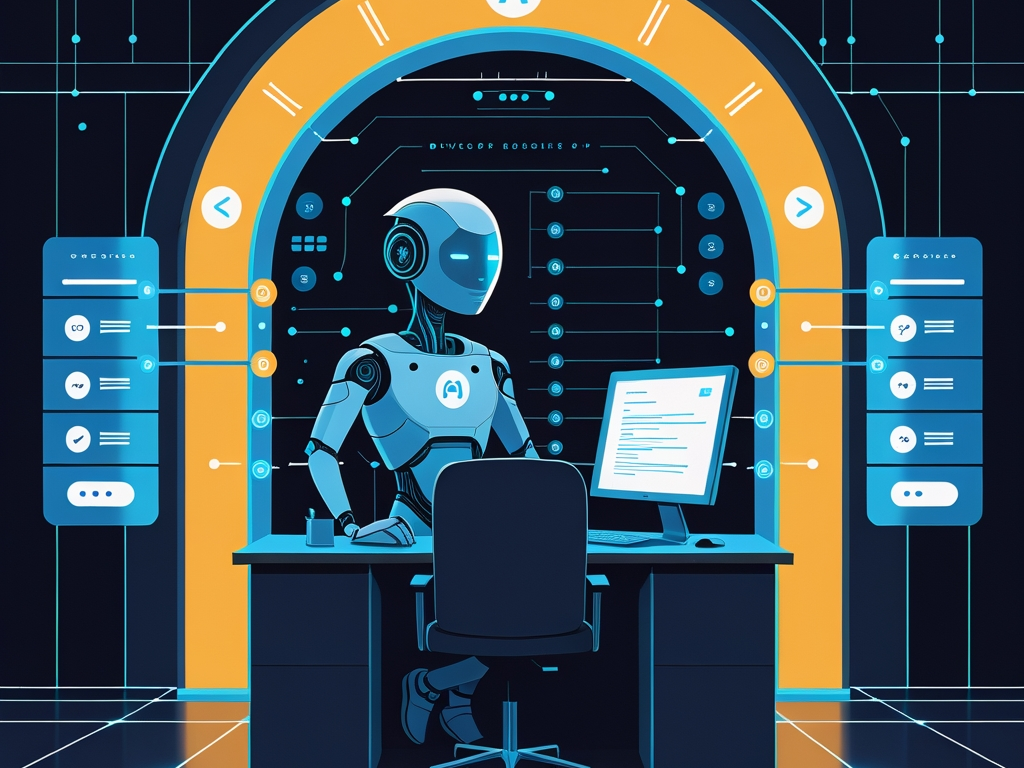
The AI coding boom has a dirty secret: the agent can only be useful if it can touch real systems, and real systems usually require credentials. That is where a lot of current "agentic development" security advice falls apart. Teams want Codex, Claude Code, Gemini CLI, and similar tools to spin up apps, connect to APIs, run database migrations, deploy builds, and wire up cloud services. But the fastest path has often been the worst one: paste secrets into prompts, drop them into .env files, or let them sprawl across developer machines and repositories.
That is why today's announcement from 1Password and OpenAI matters more than a routine product integration headline. On May 20, 2026, the companies introduced a Codex integration built around a simple but important architectural rule: coding agents may need access to secrets, but they should never have custody of those secrets.
This is the right line to draw.
According to 1Password, its Environments MCP Server for Codex issues credentials just in time, scopes them to the task, and keeps the underlying secret values out of prompts, local files, repositories, terminals, and the model's context window. SecurityWeek's independent coverage frames the same point more bluntly: AI coding agents are becoming high-value targets for prompt injection and credential theft, so the old habit of putting secrets wherever the agent can reach them is no longer defensible.
The significance here is not just "another MCP integration shipped." The significance is that one of the biggest password and secret management vendors just put forward a practical operating model for agent access that the rest of the industry will now be pressured to match.
The Real Problem Is Not Agent Access. It Is Agent Custody
A lot of discussion around AI developer tools still treats access itself as the scary part. That is too shallow. An agent that writes code, runs tests, provisions dependencies, or validates a deployment cannot be useful without touching protected systems. The real question is not whether agents get access. It is how that access is mediated, constrained, and observed.
1Password's framing gets this right. In its launch post, the company argues that a coding agent should be treated as a tenant, not a vault. That distinction matters because once a secret enters model context, prompt history, a copied config file, or a repo commit, it becomes difficult to reason about where it might surface next. It can land in logs. It can be cached locally. It can be revealed in an unexpected output. It can be exfiltrated through a prompt injection chain. It can persist long after the task that required it has ended.
That persistence is the real risk state.
SecurityWeek quotes 1Password CTO Nancy Wang making the core point clearly: "A credential that persists is already compromised." That is the right mental model for coding agents in 2026. If the credential is sitting in a prompt, file, shell history, CI artifact, or generated codebase any longer than absolutely necessary, you should assume it is available for misuse.
Key Takeaway: In agentic development, the dangerous step is not access. The dangerous step is letting the agent or its surrounding workflow retain the secret after the action is complete.
What the New Integration Actually Changes
The technical details are what make this announcement worth paying attention to.
According to 1Password's May 20 blog post, the integration uses a local MCP server to connect Codex and 1Password Environments. When a developer asks Codex to configure an environment, Codex can discover actions exposed through that local connection. The request is then validated through the 1Password desktop app, which handles identity, authorization, and secure access. Every interaction requires explicit user approval.
That user approval is important, but it is not the whole story. The more interesting part is the runtime model:
- Codex can create and manage environments without receiving raw secret values.
- Secret values do not traverse the MCP channel.
- Secret values do not get written into the model context window.
- Secret values are injected directly into the application process at runtime.
- The values exist in memory only for the authorized process and only for as long as the process needs them.
That is meaningfully different from the lazy workaround most teams have normalized, where the "AI workflow" is really just a fancy wrapper around .env sprawl.
If this architecture works as described, it shifts agent security from "trust the model not to leak the secret" to "design the system so the model never gets the secret in the first place." That is exactly the kind of control boundary the industry needs.
%22%2F%3E%0A%20%20%3Ccircle%20cx%3D%221270%22%20cy%3D%22180%22%20r%3D%22210%22%20fill%3D%22rgba(123%2C%20215%2C%20255%2C%200.18)%22%2F%3E%0A%20%20%3Ccircle%20cx%3D%22310%22%20cy%3D%22710%22%20r%3D%22250%22%20fill%3D%22rgba(52%2C%20211%2C%20153%2C%200.10)%22%2F%3E%0A%20%20%3Cpath%20d%3D%22M160%20708C340%20574%20498%20531%20653%20566C828%20605%20941%20504%201086%20418C1191%20355%201308%20317%201440%20332%22%20stroke%3D%22%237bd7ff%22%20stroke-width%3D%2210%22%20stroke-linecap%3D%22round%22%20opacity%3D%220.85%22%2F%3E%0A%20%20%3Cpath%20d%3D%22M160%20640H1440%22%20stroke%3D%22rgba(255%2C255%2C255%2C0.08)%22%20stroke-width%3D%222%22%2F%3E%0A%20%20%3Cpath%20d%3D%22M160%20298H1440%22%20stroke%3D%22rgba(255%2C255%2C255%2C0.08)%22%20stroke-width%3D%222%22%2F%3E%0A%20%20%3Crect%20x%3D%22160%22%20y%3D%22142%22%20width%3D%22174%22%20height%3D%2236%22%20rx%3D%2218%22%20fill%3D%22rgba(123%2C%20215%2C%20255%2C%200.18)%22%20stroke%3D%22%237bd7ff%22%2F%3E%0A%20%20%3Ctext%20x%3D%22247%22%20y%3D%22166%22%20text-anchor%3D%22middle%22%20fill%3D%22%23D9F4FF%22%20font-size%3D%2218%22%20font-family%3D%22Arial%2C%20Helvetica%2C%20sans-serif%22%20letter-spacing%3D%222%22%3EAI%20SECURITY%3C%2Ftext%3E%0A%20%20%3Ctext%20x%3D%22160%22%20y%3D%22392%22%20fill%3D%22%23F7FBFF%22%20font-size%3D%2266%22%20font-weight%3D%22700%22%20font-family%3D%22Arial%2C%20Helvetica%2C%20sans-serif%22%3EWhy%20This%20Is%20Bigger%20Than%3C%2Ftext%3E%0A%20%20%3Ctext%20x%3D%22160%22%20y%3D%22470%22%20fill%3D%22%23F7FBFF%22%20font-size%3D%2266%22%20font-weight%3D%22700%22%20font-family%3D%22Arial%2C%20Helvetica%2C%20sans-serif%22%3ECodex%3C%2Ftext%3E%0A%20%20%3Ctext%20x%3D%22160%22%20y%3D%22554%22%20fill%3D%22%23A8B8C8%22%20font-size%3D%2228%22%20font-family%3D%22Arial%2C%20Helvetica%2C%20sans-serif%22%3E1Password%20and%20OpenAI%20Just%20Drew%20the%20Right%3C%2Ftext%3E%0A%20%20%3Crect%20x%3D%221080%22%20y%3D%22420%22%20width%3D%22274%22%20height%3D%22182%22%20rx%3D%2222%22%20fill%3D%22%230E2231%22%20stroke%3D%22rgba(255%2C255%2C255%2C0.10)%22%2F%3E%0A%20%20%3Crect%20x%3D%221120%22%20y%3D%22458%22%20width%3D%22112%22%20height%3D%2218%22%20rx%3D%229%22%20fill%3D%22%237bd7ff%22%20opacity%3D%220.9%22%2F%3E%0A%20%20%3Crect%20x%3D%221120%22%20y%3D%22498%22%20width%3D%22180%22%20height%3D%2212%22%20rx%3D%226%22%20fill%3D%22rgba(255%2C255%2C255%2C0.2)%22%2F%3E%0A%20%20%3Crect%20x%3D%221120%22%20y%3D%22526%22%20width%3D%22146%22%20height%3D%2212%22%20rx%3D%226%22%20fill%3D%22rgba(255%2C255%2C255%2C0.14)%22%2F%3E%0A%20%20%3Crect%20x%3D%221120%22%20y%3D%22554%22%20width%3D%2288%22%20height%3D%2212%22%20rx%3D%226%22%20fill%3D%22rgba(255%2C255%2C255%2C0.12)%22%2F%3E%0A%20%20%3Ccircle%20cx%3D%221340%22%20cy%3D%22522%22%20r%3D%2244%22%20fill%3D%22rgba(123%2C%20215%2C%20255%2C%200.18)%22%20stroke%3D%22%237bd7ff%22%2F%3E%0A%20%20%3Cpath%20d%3D%22M1322%20522L1336%20536L1360%20506%22%20stroke%3D%22%237bd7ff%22%20stroke-width%3D%228%22%20stroke-linecap%3D%22round%22%20stroke-linejoin%3D%22round%22%2F%3E%0A%20%20%3Ctext%20x%3D%22160%22%20y%3D%22748%22%20fill%3D%22%237BD7FF%22%20font-size%3D%2222%22%20font-family%3D%22Arial%2C%20Helvetica%2C%20sans-serif%22%20letter-spacing%3D%223%22%3EHEXON%20%2F%2F%20SUPPORTING%20VISUAL%3C%2Ftext%3E%0A%3C%2Fsvg%3E)
Why This Is Bigger Than Codex
It would be a mistake to treat this as a niche OpenAI ecosystem announcement.
Coding agents are just the first wave of enterprise AI systems that will need real access to real infrastructure. The same problem is coming for operational copilots, support automation, internal research agents, incident response tools, and customer-facing assistants with action-taking capabilities. Every one of those systems will eventually hit the same wall: they need to authenticate to something sensitive, but nobody sane wants them permanently holding long-lived credentials.
1Password's own post says the Codex release is a proof point for a broader access architecture where coding, operational, and customer-facing agents all get access through the same trusted layer. That is not marketing fluff. It is a preview of where the market is heading.
The next security race in enterprise AI is going to be about who controls the access layer:
- who authorizes agent actions
- who scopes those permissions
- who logs and audits every request
- who keeps secrets out of model context
- who can revoke access instantly when something looks wrong
The vendor that solves those layers cleanly will shape the default enterprise pattern for AI execution.
Why This Matters Right Now
The timing is not accidental. This announcement lands in the middle of a very noisy stretch for AI coding agent security.
Over the past two months, the industry has seen repeated reminders that coding assistants are not just productivity tools. They are security surfaces:
- Research showing AI coding agents still introduce serious vulnerabilities into generated software.
- Prompt injection attacks aimed at developer workflows and source repositories.
- MCP-related token theft and tool hijacking concerns.
- Supply chain attacks that move from open-source dependencies into developer endpoints and internal repositories.
That broader backdrop is why the 1Password and OpenAI announcement feels stronger than a typical partner integration. It is responding to an actual failure mode that security teams are already worried about: the collision between agent autonomy and secret sprawl.
SecurityWeek's coverage captures that risk well. Once a coding agent becomes a high-value target, any credential copied into its reachable workspace becomes part of the attack surface. The more capable the agent becomes, the more valuable those credentials become to an adversary. A tool that can deploy code, query databases, call APIs, and manage environments is useful for developers for exactly the same reason it is attractive to attackers.
The Architectural Bet: Secrets Should Flow to Processes, Not Models
The cleanest idea in this launch is also the most durable one: secrets should flow to the runtime process that needs them, not to the model that is orchestrating the work.
This may sound obvious, but a lot of current AI developer tooling still does the opposite. Teams ask the model to generate a config file, then paste the credential into that file. They ask the model to help with deployment, then expose the token in the shell. They ask the model to wire up a service, then leave the API key in a repository because it is "just staging."
Those shortcuts are not edge cases anymore. They are common behavior. And they get more dangerous as the model is trusted with more multi-step execution.
1Password's runtime injection model tries to break that pattern. The application process gets what it needs, when it needs it, after an explicit authorization step, without turning the model into the place where the secret lives. That is closer to how mature infrastructure teams already think about workload identity, ephemeral credentials, and short-lived tokens in cloud environments.
In other words, this is not some exotic AI-native idea. It is the application of existing good security practice to a new interface layer.
Common Mistake: Treating the model as the safest place to hold a secret because it feels abstract. A model context window is not a secret store. It is one of the least predictable places you can put sensitive material.
%22%2F%3E%0A%20%20%3Ccircle%20cx%3D%221270%22%20cy%3D%22180%22%20r%3D%22210%22%20fill%3D%22rgba(167%2C%20139%2C%20250%2C%200.18)%22%2F%3E%0A%20%20%3Ccircle%20cx%3D%22310%22%20cy%3D%22710%22%20r%3D%22250%22%20fill%3D%22rgba(52%2C%20211%2C%20153%2C%200.10)%22%2F%3E%0A%20%20%3Cpath%20d%3D%22M160%20708C340%20574%20498%20531%20653%20566C828%20605%20941%20504%201086%20418C1191%20355%201308%20317%201440%20332%22%20stroke%3D%22%23a78bfa%22%20stroke-width%3D%2210%22%20stroke-linecap%3D%22round%22%20opacity%3D%220.85%22%2F%3E%0A%20%20%3Cpath%20d%3D%22M160%20640H1440%22%20stroke%3D%22rgba(255%2C255%2C255%2C0.08)%22%20stroke-width%3D%222%22%2F%3E%0A%20%20%3Cpath%20d%3D%22M160%20298H1440%22%20stroke%3D%22rgba(255%2C255%2C255%2C0.08)%22%20stroke-width%3D%222%22%2F%3E%0A%20%20%3Crect%20x%3D%22160%22%20y%3D%22142%22%20width%3D%22174%22%20height%3D%2236%22%20rx%3D%2218%22%20fill%3D%22rgba(167%2C%20139%2C%20250%2C%200.18)%22%20stroke%3D%22%23a78bfa%22%2F%3E%0A%20%20%3Ctext%20x%3D%22247%22%20y%3D%22166%22%20text-anchor%3D%22middle%22%20fill%3D%22%23D9F4FF%22%20font-size%3D%2218%22%20font-family%3D%22Arial%2C%20Helvetica%2C%20sans-serif%22%20letter-spacing%3D%222%22%3EAI%20SECURITY%3C%2Ftext%3E%0A%20%20%3Ctext%20x%3D%22160%22%20y%3D%22392%22%20fill%3D%22%23F7FBFF%22%20font-size%3D%2266%22%20font-weight%3D%22700%22%20font-family%3D%22Arial%2C%20Helvetica%2C%20sans-serif%22%3EWhere%20the%20Remaining%20Risk%3C%2Ftext%3E%0A%20%20%3Ctext%20x%3D%22160%22%20y%3D%22470%22%20fill%3D%22%23F7FBFF%22%20font-size%3D%2266%22%20font-weight%3D%22700%22%20font-family%3D%22Arial%2C%20Helvetica%2C%20sans-serif%22%3EStill%20Lives%3C%2Ftext%3E%0A%20%20%3Ctext%20x%3D%22160%22%20y%3D%22554%22%20fill%3D%22%23A8B8C8%22%20font-size%3D%2228%22%20font-family%3D%22Arial%2C%20Helvetica%2C%20sans-serif%22%3E1Password%20and%20OpenAI%20Just%20Drew%20the%20Right%3C%2Ftext%3E%0A%20%20%3Crect%20x%3D%221080%22%20y%3D%22420%22%20width%3D%22274%22%20height%3D%22182%22%20rx%3D%2222%22%20fill%3D%22%230E2231%22%20stroke%3D%22rgba(255%2C255%2C255%2C0.10)%22%2F%3E%0A%20%20%3Crect%20x%3D%221120%22%20y%3D%22458%22%20width%3D%22112%22%20height%3D%2218%22%20rx%3D%229%22%20fill%3D%22%23a78bfa%22%20opacity%3D%220.9%22%2F%3E%0A%20%20%3Crect%20x%3D%221120%22%20y%3D%22498%22%20width%3D%22180%22%20height%3D%2212%22%20rx%3D%226%22%20fill%3D%22rgba(255%2C255%2C255%2C0.2)%22%2F%3E%0A%20%20%3Crect%20x%3D%221120%22%20y%3D%22526%22%20width%3D%22146%22%20height%3D%2212%22%20rx%3D%226%22%20fill%3D%22rgba(255%2C255%2C255%2C0.14)%22%2F%3E%0A%20%20%3Crect%20x%3D%221120%22%20y%3D%22554%22%20width%3D%2288%22%20height%3D%2212%22%20rx%3D%226%22%20fill%3D%22rgba(255%2C255%2C255%2C0.12)%22%2F%3E%0A%20%20%3Ccircle%20cx%3D%221340%22%20cy%3D%22522%22%20r%3D%2244%22%20fill%3D%22rgba(167%2C%20139%2C%20250%2C%200.18)%22%20stroke%3D%22%23a78bfa%22%2F%3E%0A%20%20%3Cpath%20d%3D%22M1322%20522L1336%20536L1360%20506%22%20stroke%3D%22%23a78bfa%22%20stroke-width%3D%228%22%20stroke-linecap%3D%22round%22%20stroke-linejoin%3D%22round%22%2F%3E%0A%20%20%3Ctext%20x%3D%22160%22%20y%3D%22748%22%20fill%3D%22%237BD7FF%22%20font-size%3D%2222%22%20font-family%3D%22Arial%2C%20Helvetica%2C%20sans-serif%22%20letter-spacing%3D%223%22%3EHEXON%20%2F%2F%20SUPPORTING%20VISUAL%3C%2Ftext%3E%0A%3C%2Fsvg%3E)
Where the Remaining Risk Still Lives
This announcement is strong, but it does not make coding agents "safe" in any broad sense.
Several real risks remain even with a just-in-time secret architecture:
1. The authorization step can still be socially engineered
If every interaction requires user approval, the approval surface becomes important. Teams will need to prevent blind "accept, accept, accept" behavior, especially when agents are running long tasks with repeated access requests.
2. Variable names and environment structure still reveal context
1Password says the model can create environments and list variable names without accessing raw values. That is much better than exposing the values themselves, but environment metadata can still be sensitive in some organizations because it reveals systems, providers, naming conventions, and architecture patterns.
3. Runtime access is still access
If the authorized process is compromised, or if the model can coerce the process into unintended actions, the fact that the secret stayed out of prompt history does not remove all downstream risk. It just shrinks the blast radius and improves the control boundary.
4. Local integration expands the endpoint trust question
The local MCP server and desktop app model is pragmatic, but it also means endpoint posture matters a lot. A poorly secured developer machine can still become the weakest link in the chain.
None of these limitations invalidate the approach. They just mean enterprises should understand what this architecture does and does not solve. It materially improves secret handling. It does not eliminate the need for endpoint hardening, approval design, access governance, prompt injection defenses, and auditability.
What Security Teams Should Do Next
This announcement should push engineering and security leaders to review their current agent workflows immediately.
If your team is using Codex, Claude Code, Gemini CLI, Copilot agents, or internal coding assistants, start with these questions:
- Are secrets ever pasted directly into prompts?
- Are .env files being generated or shared by the agent?
- Do credentials appear in shell history, logs, or repository commits?
- Are long-lived tokens being reused across agent tasks?
- Is access request approval explicit, scoped, and logged?
- Can the model act on a secret without ever seeing the raw value?
If the answer to that last question is "no," your current pattern is probably not where the industry is headed.
The larger strategic takeaway is that agent security is becoming identity security. It is no longer enough to evaluate a coding agent on code quality, task completion, or integration breadth. You also need to evaluate:
- access brokerage
- credential lifetime
- secret custody boundaries
- audit trails
- revocation speed
- prompt injection resilience
The vendors that cannot answer those questions convincingly are going to look increasingly exposed as enterprise adoption grows.
Why This Could Become the New Default Pattern
There is a good chance this specific implementation is not the final form. Competitors will adapt it, improve it, or challenge it with different models. But the underlying pattern feels sticky because it solves a real problem without demanding impossible human discipline.
That matters. Security controls that rely on "developers should just remember not to paste secrets into prompts" are not durable controls. Security controls that change the architecture so the secret does not need to be pasted at all are much more likely to survive contact with real teams and deadlines.
That is the real value of today's announcement. It turns a security best practice into a workflow primitive.
If this pattern takes hold, we may look back on May 20, 2026 as the point when the market stopped pretending coding agents could safely hold credentials and started building around the opposite assumption.
Conclusion
1Password and OpenAI did not solve AI coding security today. But they did something more useful: they made a high-quality architectural choice public at exactly the moment the market needed one.
Coding agents are going to need access to databases, APIs, deployment systems, and production-adjacent tooling. That is not changing. The question is whether the industry gives those agents durable custody of secrets or builds systems where access is ephemeral, scoped, approved, and kept outside the model's reach.
This launch clearly chooses the second path.
That is the right path for Codex. More importantly, it is probably the right path for every serious enterprise agent that comes next.