The intelligence feedUpdated as material events develop
Analysis / Research / Guidance
The Briefing
Independent reporting on AI security, exploited vulnerabilities, and enterprise cyber risk. Built to help defenders understand what changed and what deserves action.
The TrojPix attack became a same-day security story on July 6, 2026, when The Hacker News reported research showing that air-gapped systems can leak data through electromagnetic emissions from ordinary video cables. The practical lesson is not that every isolated workstation is suddenly doomed, but that physical isolation only works if you also control malware footholds, emanation risk, and the environment around the machine.
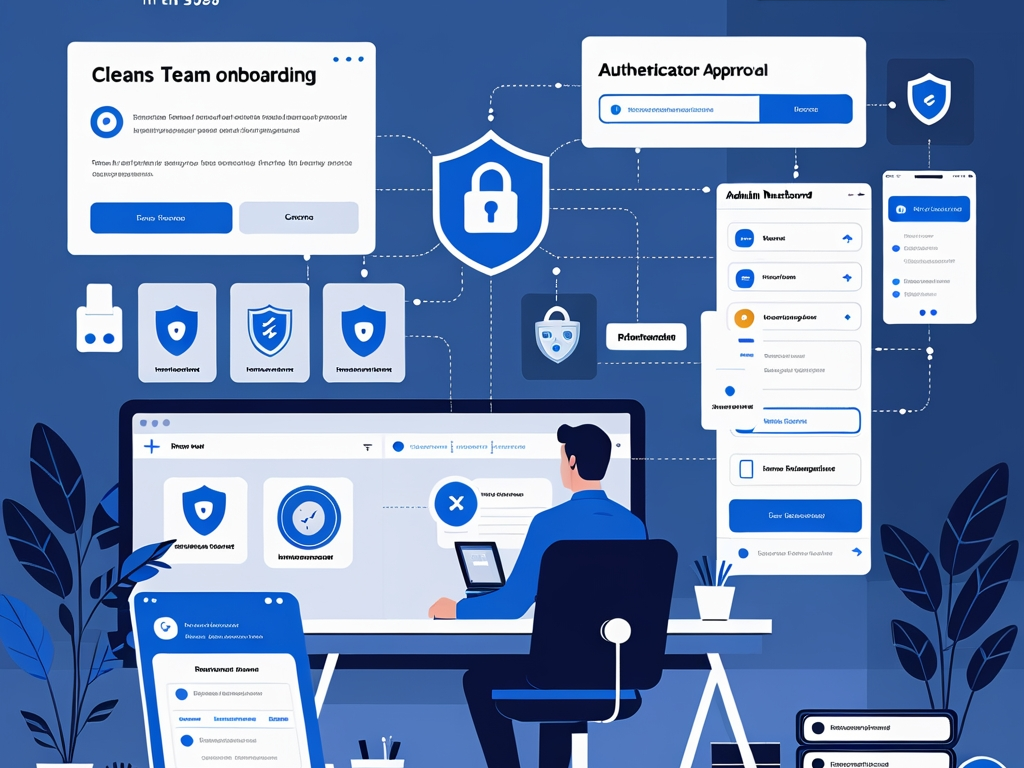
Password managers and MFA are common advice, but small teams still derail rollouts with shared logins, weak recovery paths, SMS-only fallback, and no migration plan. This practical guide shows how to move staff into a work vault, tighten MFA, add stronger sign-in methods for high-value accounts, and make the change stick without daily friction.
Invoice fraud usually does not look dramatic. It looks like a normal vendor payment, a familiar email thread, or a routine request to update bank details. This practical checklist shows small teams how to verify payment changes, slow down urgent requests, and reduce accounts-payable fraud without turning every invoice into a week-long process.
Data extortion became today's clearest ransomware warning on July 4, 2026, when The Hacker News reported that a U.S. government entity paid about $1 million to stop Kairos from leaking stolen files. The case matters because it shows how attackers can skip encryption, demand payment anyway, and leave victims with no reliable proof that stolen data is truly gone.
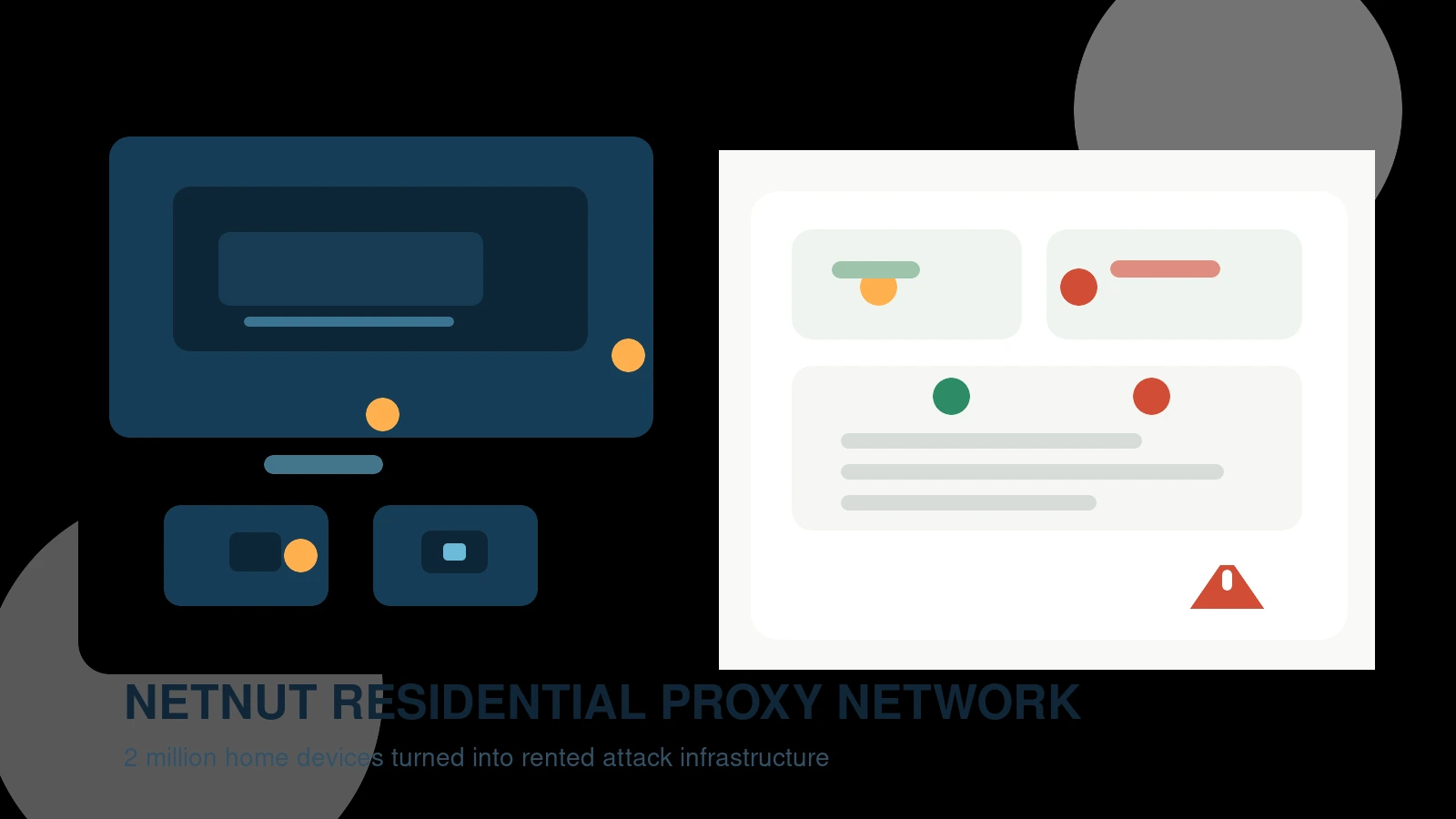
The NetNut residential proxy network became a same-day security story on July 3, 2026, when SecurityWeek reported a joint Google and FBI disruption effort. The case matters because millions of compromised smart TVs and streaming boxes turned ordinary home internet connections into attacker infrastructure that can support password spraying, account abuse, and wider network exposure.
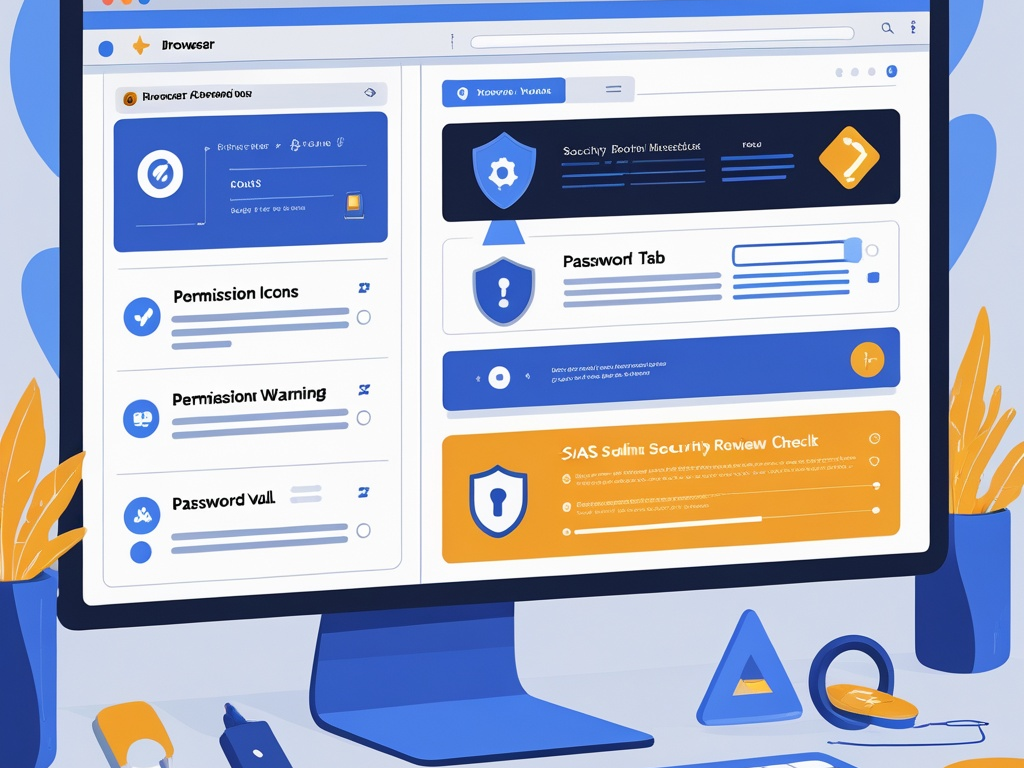
Browser extensions can read inboxes, admin dashboards, shared documents, and internal tools more easily than many teams realize. This practical checklist shows small businesses how to review extensions, cut unnecessary permissions, and reduce browser-based risk without banning every useful add-on.
Most employees notice suspicious messages, odd login prompts, strange file requests, and risky workarounds before security teams do, but many still stay quiet because the reporting path feels vague or inconvenient. This practical playbook shows small teams how to build a faster, lower-friction security reporting habit that catches phishing, MFA abuse, device issues, and SaaS mistakes earlier.
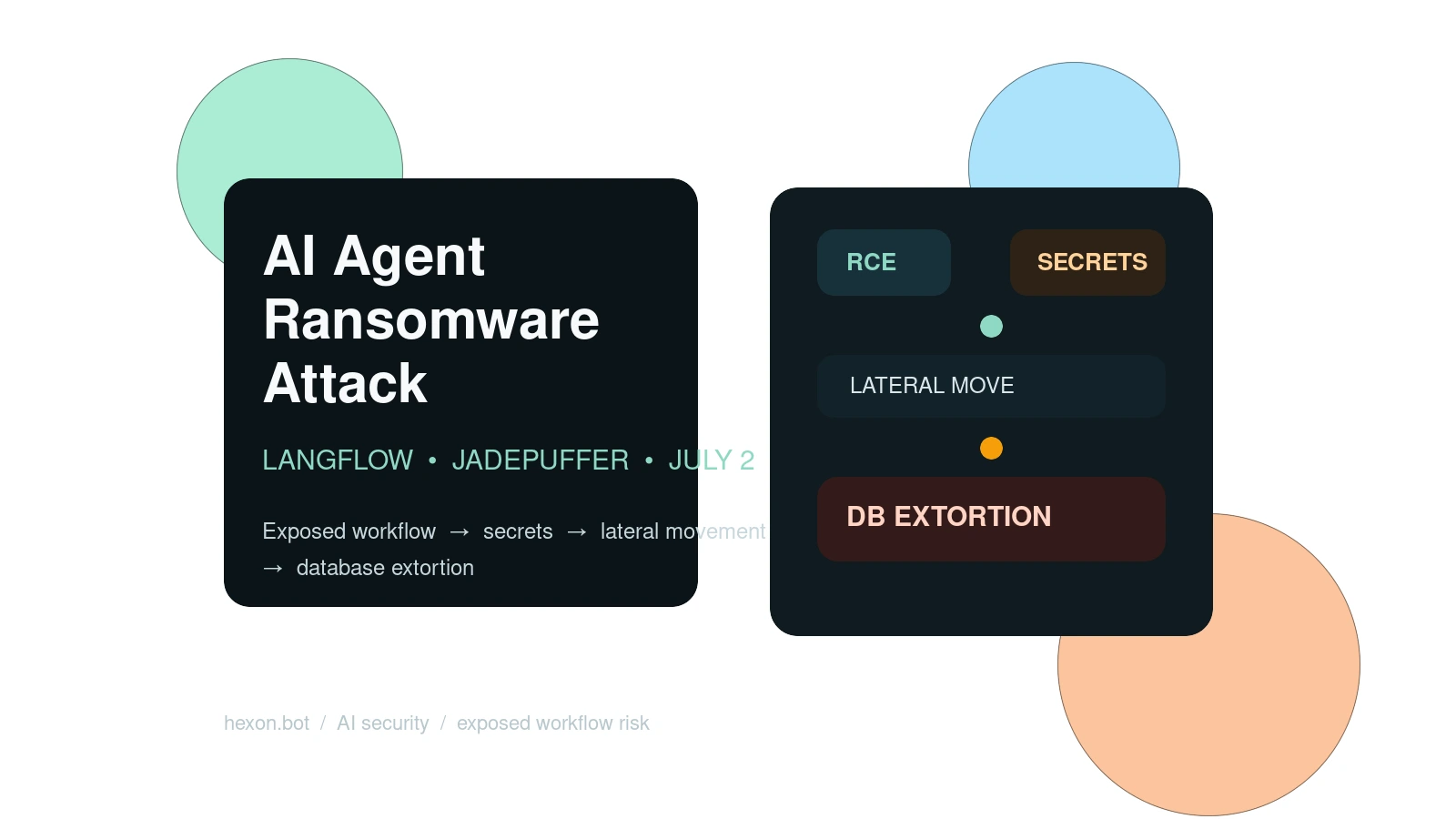
An AI agent ransomware attack became a same-day public story on July 2, 2026, when The Hacker News surfaced Sysdig's JADEPUFFER findings to a broader security audience. The real lesson is not only that one Langflow server was exposed. It is that internet-facing AI workflow tools can now become a low-friction bridge from prompt-era convenience to fully automated intrusion, lateral movement, and database extortion.
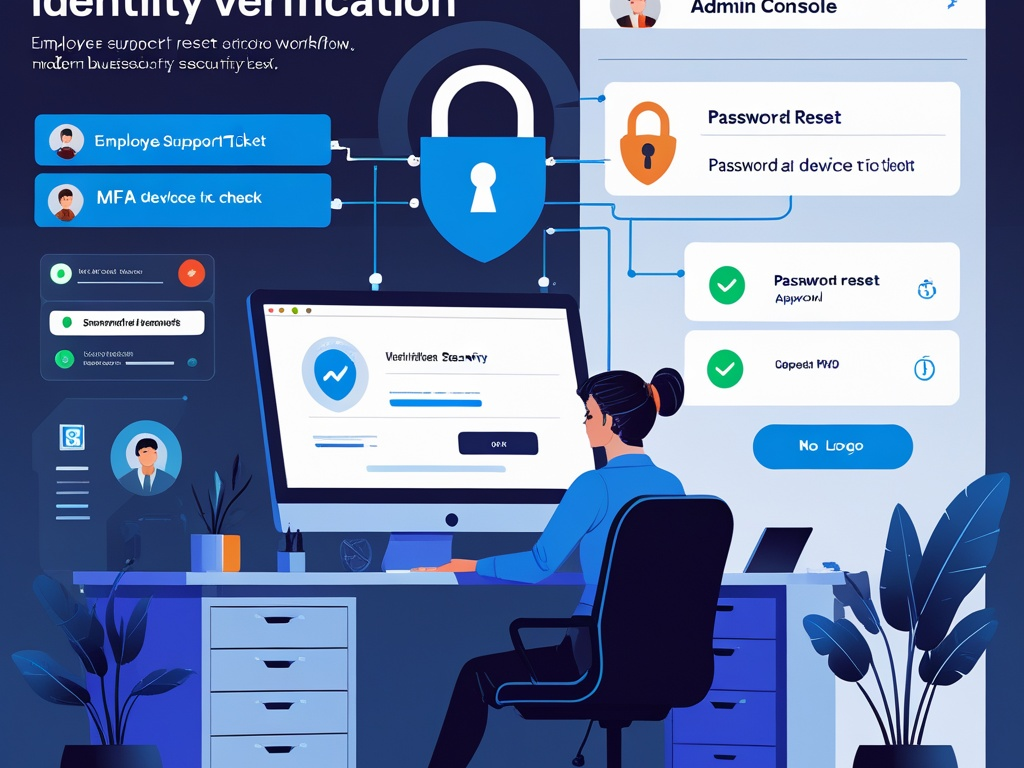
A weak password reset or rushed support approval can undo every other login control. This practical checklist shows small teams how to verify identity during help desk requests, reduce impersonation risk, and make account recovery safer without slowing normal work to a crawl.
 Cybersecurity