The intelligence feedUpdated as material events develop
Analysis / Research / Guidance
The Briefing
Independent reporting on AI security, exploited vulnerabilities, and enterprise cyber risk. Built to help defenders understand what changed and what deserves action.
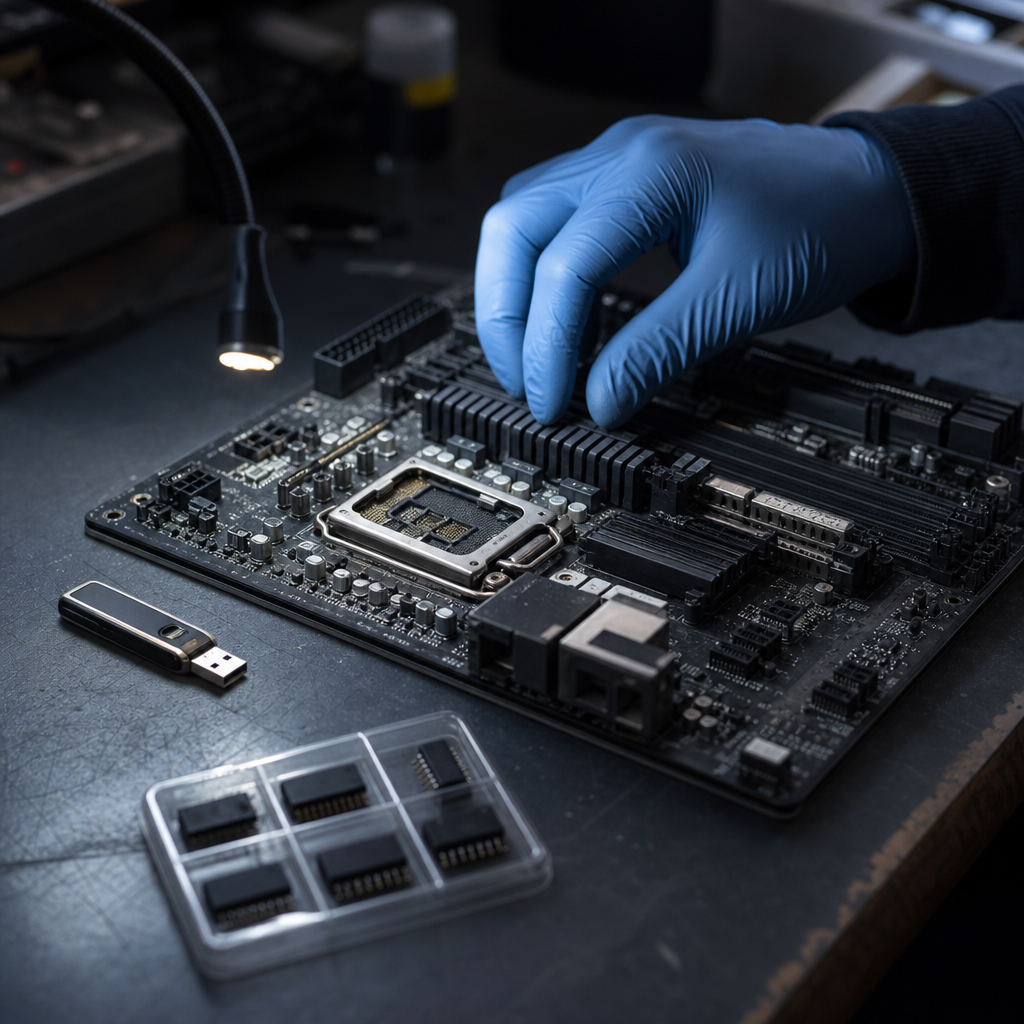
Secure Boot bypass risk became a fresh priority on July 14, 2026, when ESET published new research on 11 old Microsoft-signed UEFI shims that can still undermine the boot trust chain. The bigger lesson is that one forgotten trusted component can outlive the patch cycle and reopen pre-OS attack paths across mixed Windows and Linux fleets.
Microsoft 365 AiTM phishing took a sharper turn on July 13, 2026, when Lexfo exposed three live MFA-bypass campaigns from one misconfigured attack server. The bigger lesson is that session theft now scales through reusable phishing kits, device-code abuse, and subscription-style operator tooling that smaller teams can no longer dismiss as niche.
RedHook Android malware became a sharper mobile security story on July 12, 2026, when public reporting showed the malware abusing Wireless ADB to gain shell-level access without a USB connection. The bigger lesson is that one social-engineered permission flow can turn a work phone into its own attack console.
Shared badges, tailgating, unescorted visitors, and casual contractor access still create simple office security failures in 2026. This practical checklist shows small teams how to tighten visitor access, badge habits, and front-desk workflows without turning the office into a fortress.
A ShareFile Storage Zone Controller threat forced emergency shutdown orders on July 10, 2026 for customers running internet-facing hybrid file-sharing servers. The bigger lesson is that one edge sync node can become a breach multiplier when it bridges cloud access, customer-managed storage, and sensitive business files.
Gitea Docker image auth bypass became a same-day security story on July 10, 2026, when BleepingComputer reported active exploitation of CVE-2026-20896. The real lesson is bigger than one patch: a single reverse-proxy trust mistake can let attackers impersonate admins, read private code, and pivot into CI/CD secrets unless teams tighten default container assumptions.
GitHub Agentic Workflows prompt injection became a same-day security story on July 8, 2026, when SecurityWeek reported Noma Labs' GitLost finding. The practical lesson is that one crafted public issue can steer an AI workflow into exposing data from private repositories unless permissions, outputs, and trust boundaries are tightened.
Cavern Manticore became a same-day security story on July 7, 2026, when SecurityWeek reported new details on an Iran-linked intrusion set using a modular command-and-control framework against government entities and IT providers. The deeper lesson is that the most dangerous part of the campaign is not just the malware design, but the second-hop provider trust path that can turn one compromised service partner into access to many downstream targets.
AI meeting assistants can quietly gain access to calendars, inboxes, recordings, transcripts, and customer conversations. This practical checklist shows small teams how to approve, limit, and monitor meeting bots without turning every call into a data-leak risk.
 Cybersecurity