The intelligence feedUpdated as material events develop
Analysis / Research / Guidance
The Briefing
Independent reporting on AI security, exploited vulnerabilities, and enterprise cyber risk. Built to help defenders understand what changed and what deserves action.
The Boston Scientific cyberattack became a live medtech operations story after the company disclosed on August 26, 2026 that order processing and shipping were disrupted worldwide. This guide explains why operational downtime matters as much as data theft in healthcare manufacturing, and what security leaders should do now.
AI agent security moved from theory to everyday software risk after fresh reporting on Claude Opus 4.6 showed how a gym booking workflow could turn into API abuse. This practical guide explains what the incident means for defenders, why client-side rules and weak object authorization fail under agentic pressure, and what teams should fix first.
The Oracle WebLogic vulnerability tracked as CVE-2026-21962 moved from patchable backlog item to active exploitation emergency on August 25, 2026. This guide explains why a front-end proxy weakness now demands immediate action, what defenders should prioritize in the next 72 hours, and how to avoid treating exploited middleware as a routine patch ticket.
The Keycloak password reset flaw turned a routine recovery feature into a critical account takeover risk on August 24, 2026, when broader public reporting pushed the issue into the defender mainstream. This guide explains how the reset flow broke, why identity-provider bugs carry wider blast radius, and what security teams should change now.
Conference room gear now blends cameras, microphones, shared tablets, HDMI adapters, and meeting accounts into one lightly managed trust surface. This practical checklist shows small teams how to secure room devices, guest cabling, shared controls, and meeting-room access without making collaboration painful.
Android car head unit malware became a same-day security story on August 22, 2026, after fresh public reporting showed attackers abusing a trusted infotainment updater to install botnet and ad-fraud payloads. This guide explains how the DoFun infection chain worked, why connected vehicle screens now look more like unmanaged edge devices, and what defenders should check first.
The Rust supply chain attack became a broader defender story on August 21, 2026, when fresh public reporting tied the arrayref incident to North Korean tradecraft. This guide explains how a compromised maintainer account turned popular crates into build-time malware, why short exposure windows still matter, and what engineering teams should check now.
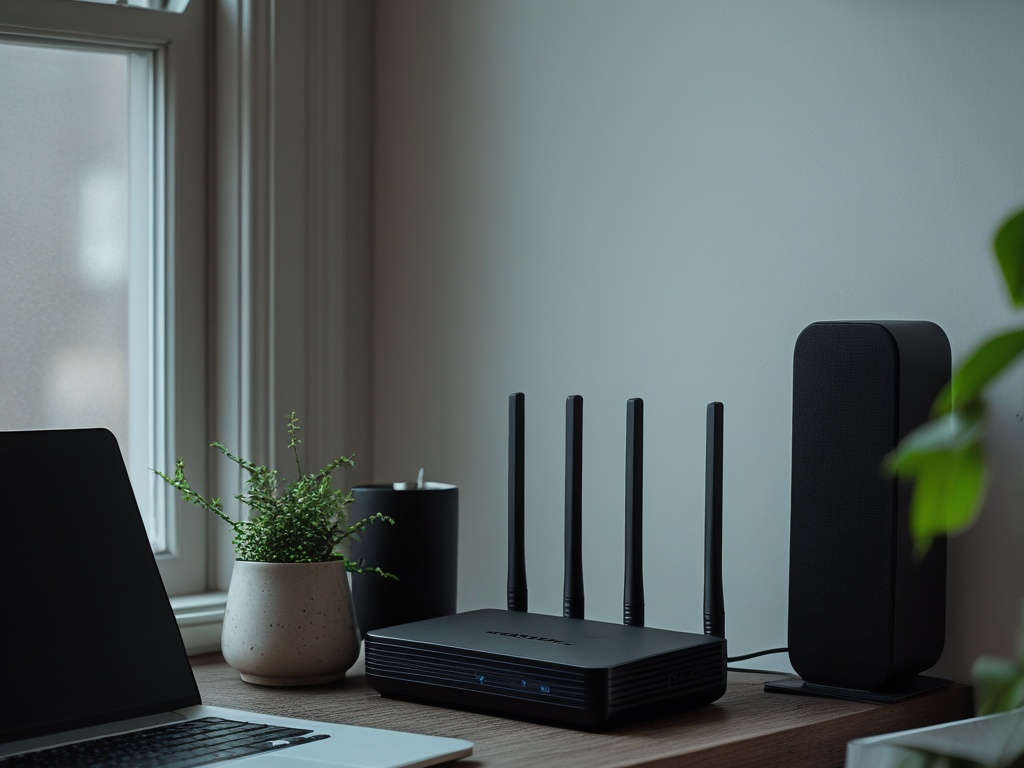
Home router security is now part of the remote work security baseline. This practical checklist shows small teams how to harden the router, separate work devices from home gadgets, and reduce the chance that a weak home network becomes a business problem.
The AIT-GUI vulnerability became a live same-day security story on August 20, 2026, when fresh public reporting showed how NASA/JPL's open-source ground console could let unauthenticated users issue spacecraft-related commands. This guide explains why browser-to-command-bus trust is so dangerous, what version 2.5.2 fixed, and what teams should audit now.
 Cybersecurity