The intelligence feedUpdated as material events develop
Analysis / Research / Guidance
The Briefing
Independent reporting on AI security, exploited vulnerabilities, and enterprise cyber risk. Built to help defenders understand what changed and what deserves action.
Dahua camera security moved from a niche device issue to a live operational problem after public reporting tied more than 14,500 compromised devices to a multi-path campaign. This guide explains why relay access, old auth-bypass flaws, and weak device ownership make surveillance systems much riskier than many teams assume.
The AI-driven vulnerability surge is turning ordinary patch backlogs into a prioritization problem that monthly cycles cannot solve. This guide explains what Rapid7's latest numbers mean, why exposure matters more than raw severity, and how security teams can patch more intelligently right now.
Windows Server 2022 mainstream support is now on a visible countdown after Microsoft's latest reminder. This guide explains what changes on October 13, 2026, what stays covered under extended support, and how to plan an upgrade without turning routine maintenance into a security problem.
Business phone security now covers desk phones, softphone apps, call forwarding, voicemail, and support workflows that can quietly approve sensitive actions. This practical checklist shows small teams how to tighten the voice layer without turning customer communication into a mess.
The SAP Commerce Cloud vulnerability behind CVE-2026-58231 became a sharper business risk after August 15, 2026 reporting said attackers were already probing the flaw days after SAP patched it. This guide explains what changed, why internet-facing commerce systems deserve urgent review, and what teams should tighten now.
Work calendars now carry meeting links, attendee lists, travel plans, room bookings, executive routines, and approval context that attackers can exploit without ever touching a firewall. This practical checklist shows small teams how to secure calendar access, invites, room workflows, and connected tools without making scheduling painful.
Expired domains malware risk moved into sharper focus after August 14, 2026 reporting tied massive dropcatch activity to scams, illegal streaming, and malware control infrastructure. This guide explains why old URLs still look trustworthy, where that trust leaks into real business workflows, and what to check now.
The RingCentral data breach became a bigger business risk on August 14, 2026, when fresh reporting tied the incident to 1.6 million accounts. This guide explains why a cloud communications breach creates follow-on fraud risk and what security teams should tighten now.
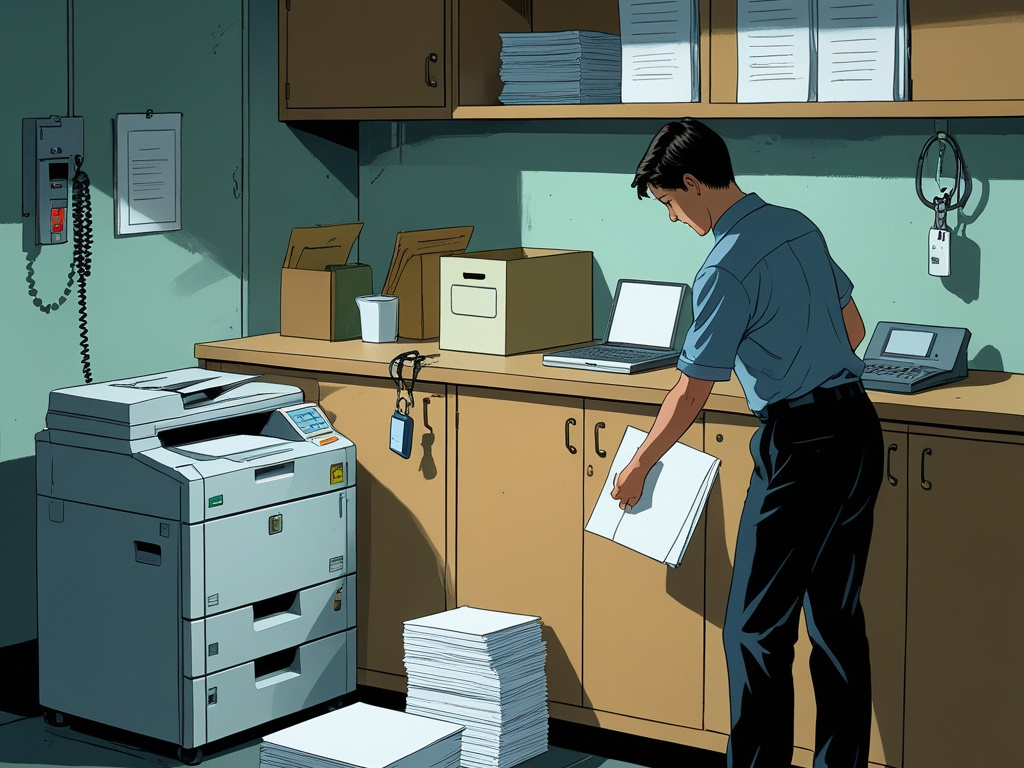
Office printers and scanners still hold sensitive documents, stale admin settings, and forgotten network trust. This practical checklist shows small offices how to reduce copier, scan-to-email, guest access, and discarded-paper risk without turning routine printing into a project.
 Cybersecurity