The intelligence feedUpdated as material events develop
Analysis / Research / Guidance
The Briefing
Independent reporting on AI security, exploited vulnerabilities, and enterprise cyber risk. Built to help defenders understand what changed and what deserves action.
Fresh May 22 reporting on the actively exploited Trend Micro Apex One flaw CVE-2026-34926 is a reminder that endpoint security platforms are not just defensive controls. They are privileged software distribution systems, and when one is abused the attacker can turn trust itself into deployment infrastructure.
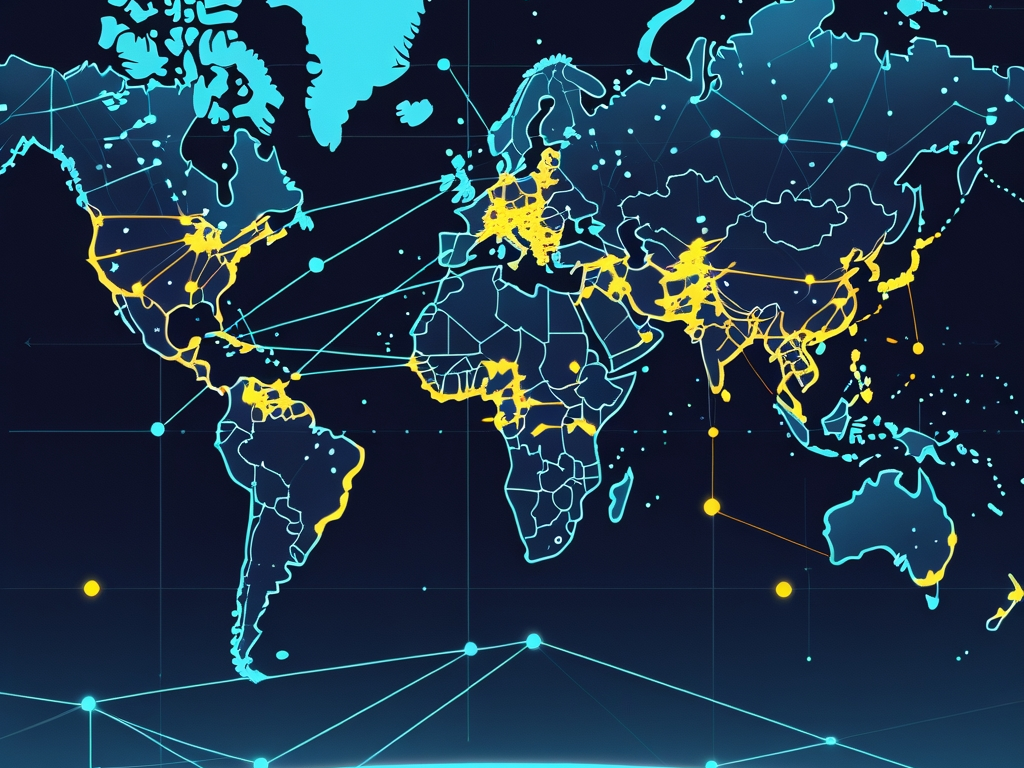
Fresh reporting on the Showboat and JFMBackdoor malware set shows that China-aligned telecom intrusions still rely on persistent Linux and Windows implants that turn victim systems into covert relay infrastructure. The real lesson is that once an attacker plants a proxy-capable foothold inside a carrier environment, segmentation and exposure assumptions start to fail fast.
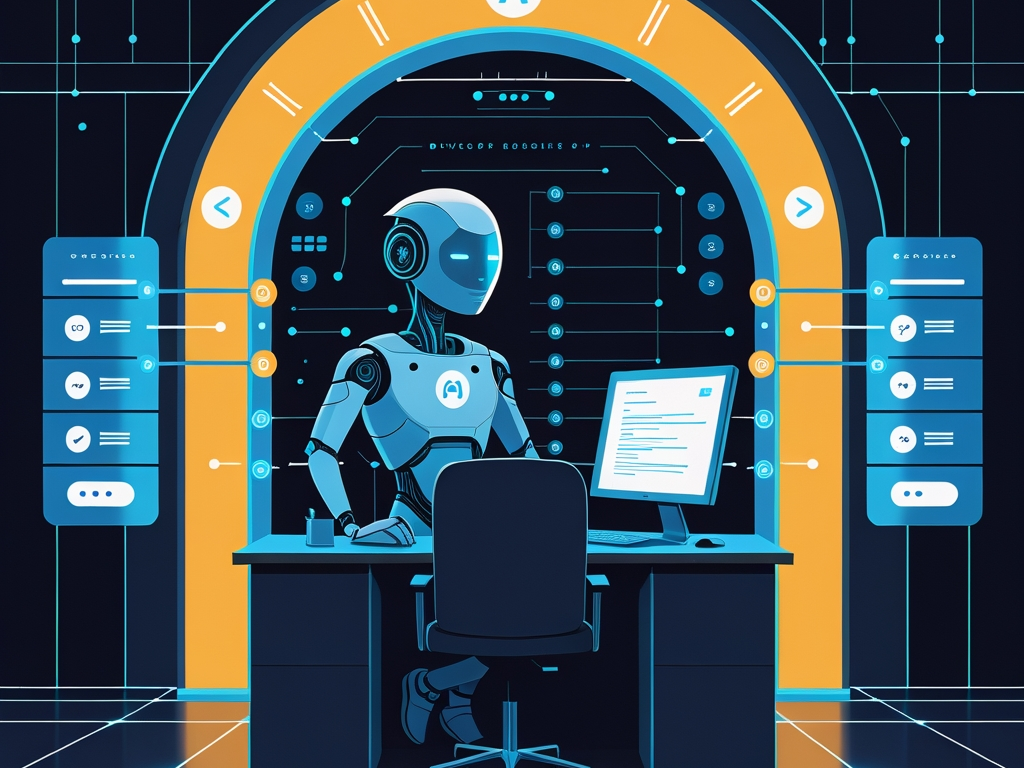
1Password and OpenAI announced a new Codex integration that keeps credentials out of prompts, repositories, terminals, and model context by issuing them just in time at runtime. The release matters because it treats AI coding agents as operators that need scoped access, not as vaults that should ever hold secrets.
Chaotic Eclipse just dropped MiniPlasma, a Windows privilege escalation zero-day that grants SYSTEM access on fully patched systems. The shocking twist - it is the exact same bug Google Project Zero reported to Microsoft in 2020, supposedly fixed six years ago. Here is what security teams need to know.
Cyera researchers disclosed four chainable vulnerabilities in OpenClaw dubbed "Claw Chain" that let attackers steal data, escalate privileges, and plant backdoors through the agent's own sandbox. With 245,000 public servers exposed, here's what security teams must do now.
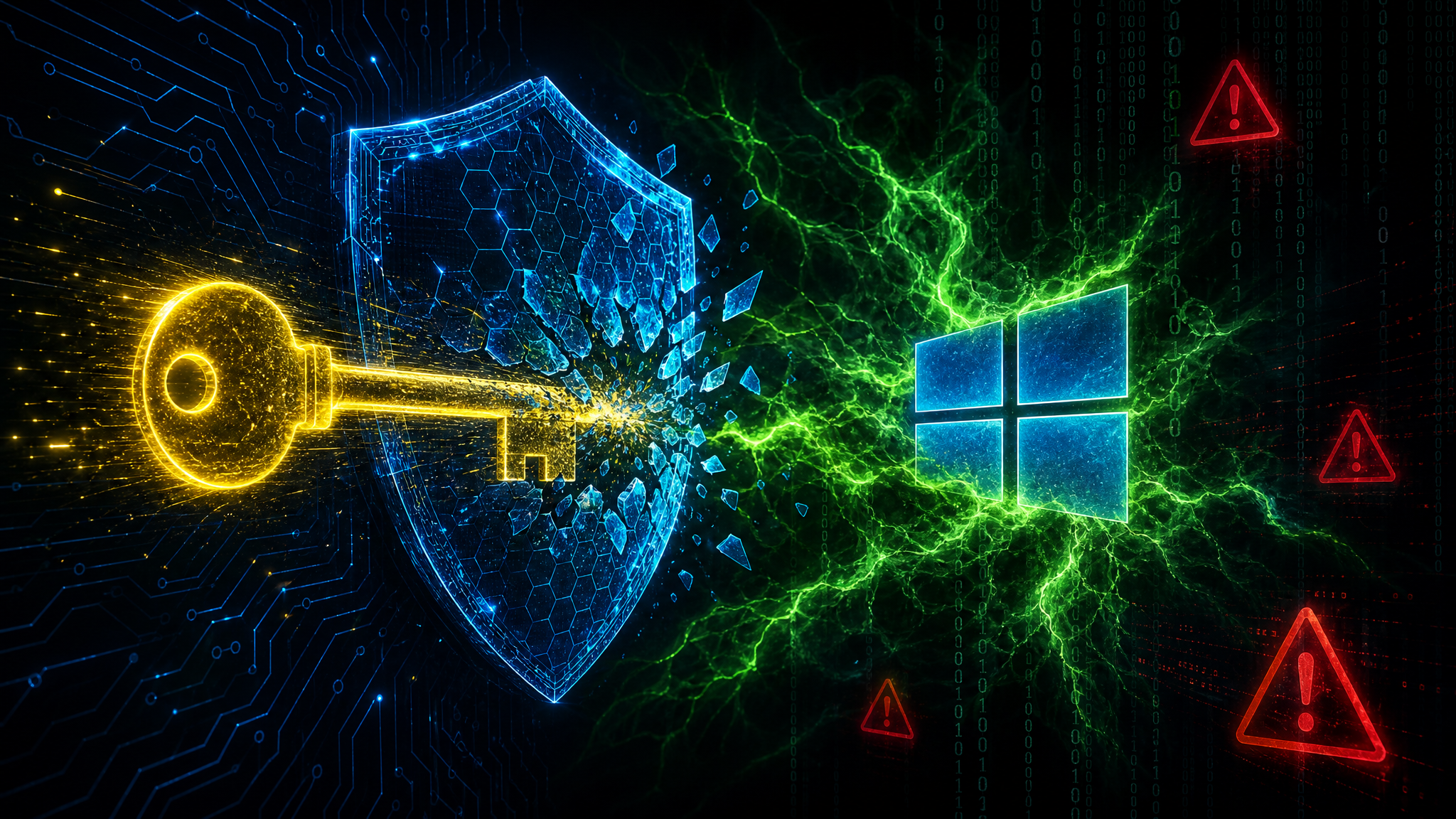
A disgruntled security researcher dropped two unpatched Windows zero-day exploits - YellowKey, which bypasses BitLocker encryption, and GreenPlasma, which escalates privileges to SYSTEM. Both are already being actively exploited within 24 hours of disclosure, leaving millions of Windows 11 devices exposed with no patch in sight.
Palo Alto Networks used frontier AI models to discover 75 vulnerabilities across 130+ products in a single scan, releasing a record 26 CVEs in one day. With a narrow 3-5 month window before attackers gain the same capabilities, here is what CISOs must do now.
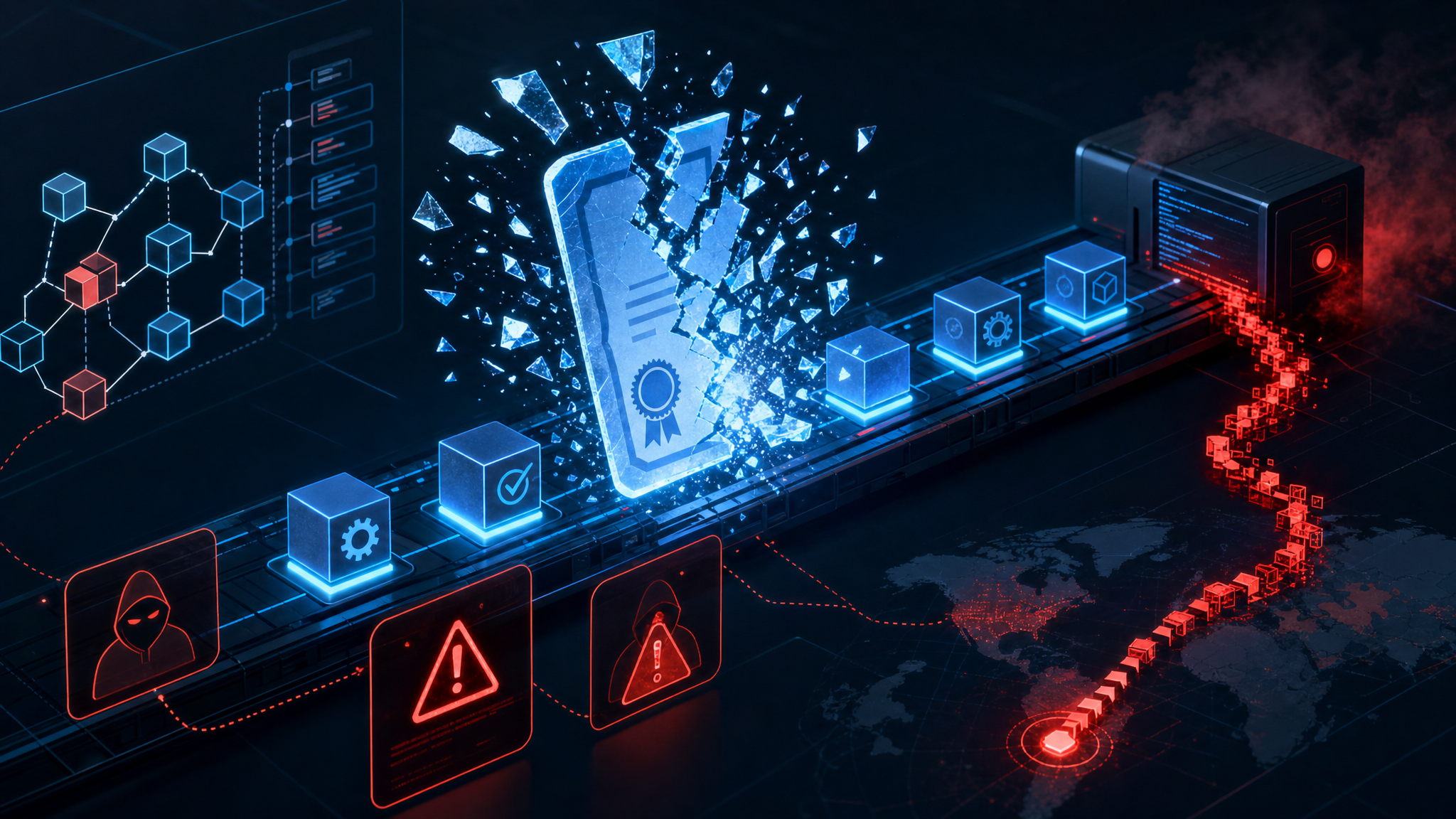
OpenAI says attackers stole limited credential material from internal source code repositories after two employee devices were hit in the TanStack npm supply chain attack. No user data or production systems were reportedly compromised, but the incident shows why valid provenance and code signing are no longer enough by themselves.
Microsoft unveiled MDASH, a multi-model agentic AI system that discovered 16 Windows vulnerabilities including four critical RCE flaws. With 100+ specialized AI agents working in concert, MDASH achieved an industry-leading 88.45% on the CyberGym benchmark. Here is what this means for the future of defensive AI and why enterprise security teams need to pay attention now.
 Cybersecurity