The intelligence feedUpdated as material events develop
Analysis / Research / Guidance
The Briefing
Independent reporting on AI security, exploited vulnerabilities, and enterprise cyber risk. Built to help defenders understand what changed and what deserves action.
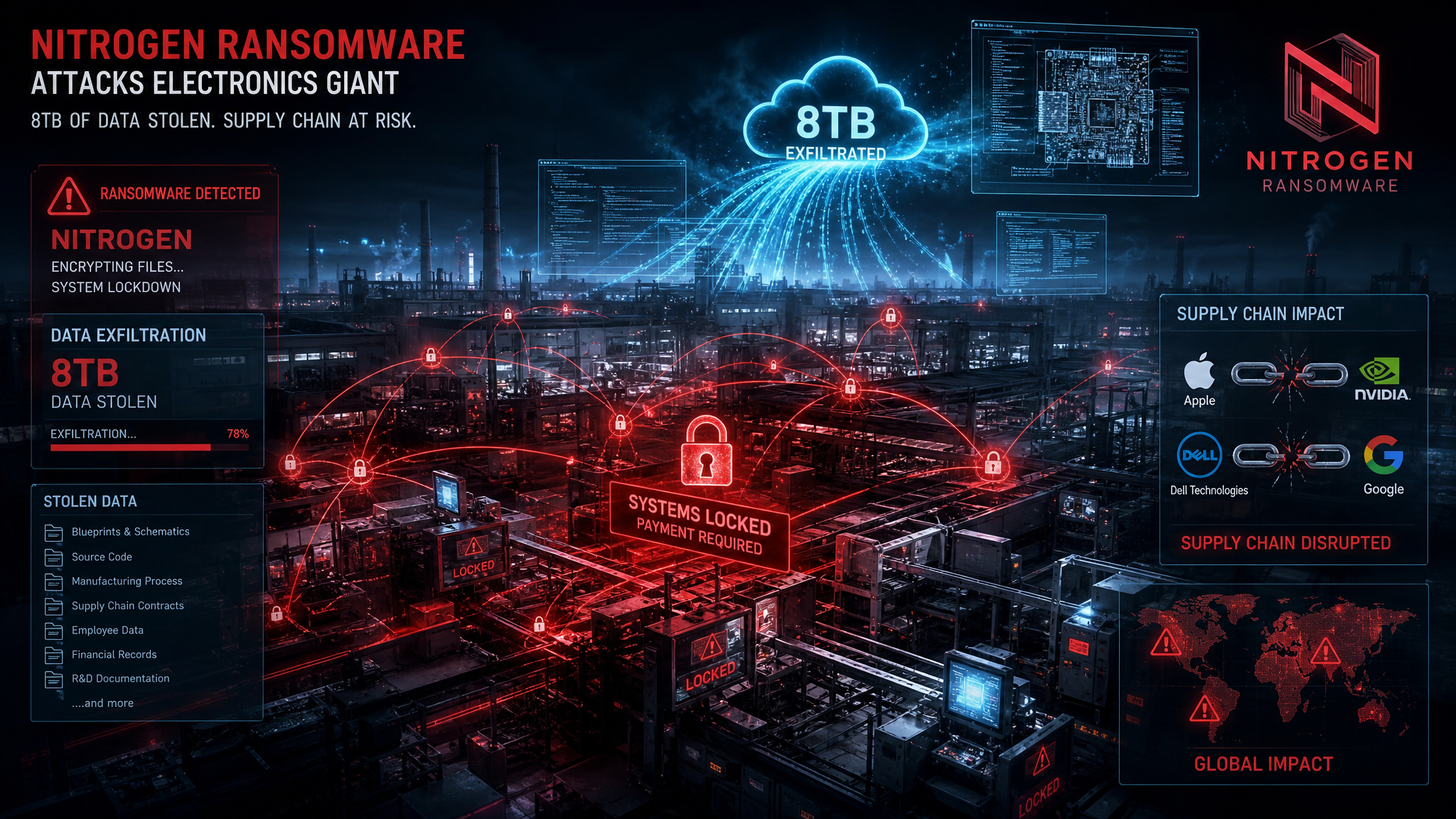
Foxconn confirmed a devastating ransomware attack by the Nitrogen gang that stole 8TB of data including confidential schematics from Apple, Nvidia, Dell, and Google. Discover why manufacturing supply chains are ransomware's hottest target and what CISOs must do now.
OpenAI just launched Daybreak, a GPT-5.5-powered cybersecurity initiative designed to find vulnerabilities and validate patches before attackers exploit them. With Codex Security at its core and three-tier model access, Daybreak represents OpenAI's most aggressive move into defensive AI. Here is what it means for enterprise security teams and why the timing could not be more critical.
Google Threat Intelligence Group has confirmed the first known AI-generated zero-day exploit in the wild. A prominent cybercrime group used an AI model to discover and weaponize a vulnerability that bypassed two-factor authentication on a popular open-source web administration tool. Here is what this watershed moment means for enterprise security and why your defense strategy needs to change immediately.
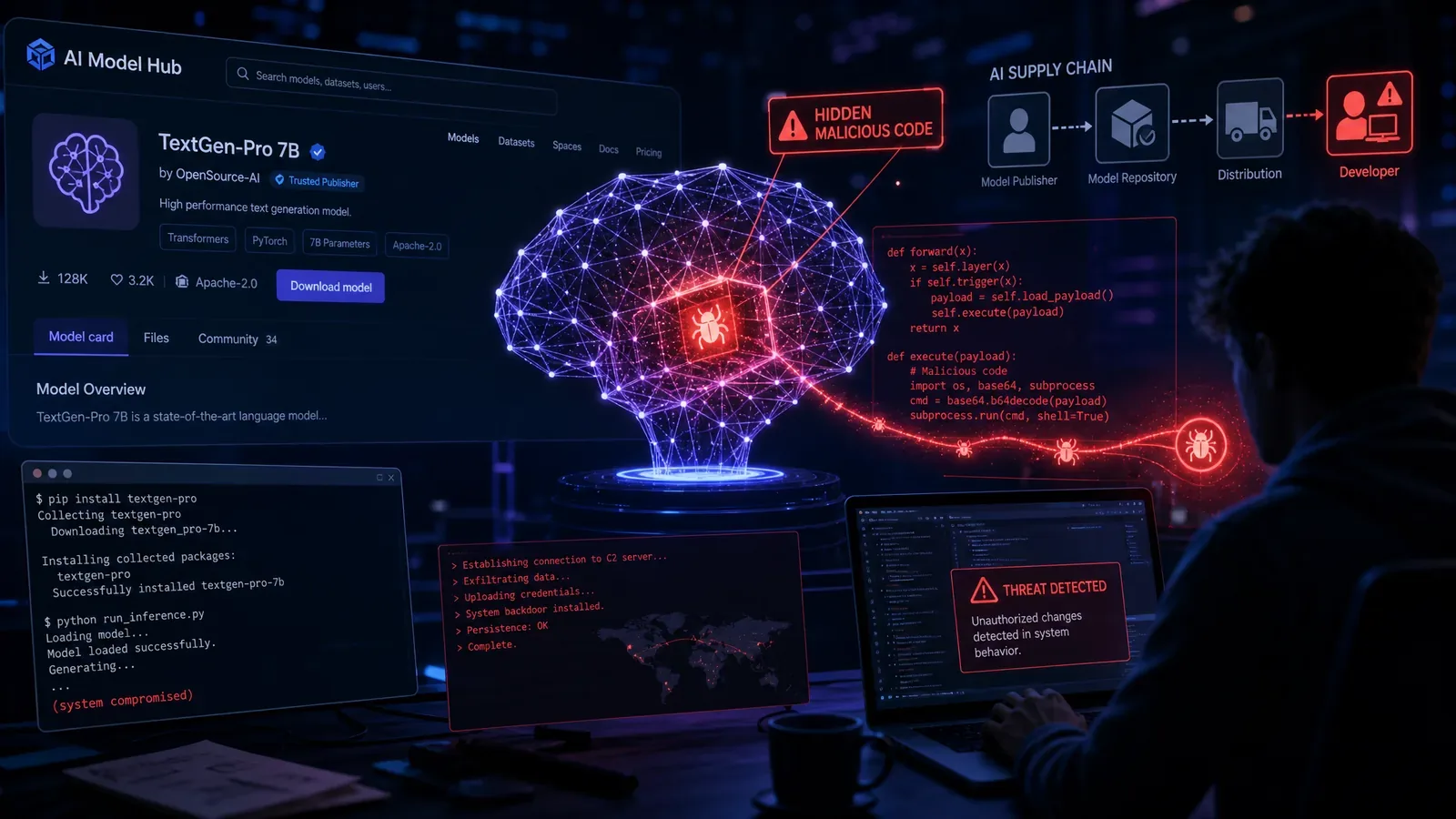
A malicious Hugging Face repository impersonating OpenAI's Privacy Filter project reached #1 trending and infected 244,000 developers with the Sefirah infostealer. This supply chain attack exposes critical blind spots in AI model security and shows why trusting code from AI repositories can be catastrophic.
Intruder scanned 2 million hosts and found 1 million exposed AI services, from open chatbots to unauthenticated Ollama and agent platforms. Here is what the findings mean for CISOs and how to lock down self-hosted AI before attackers do.
A critical cPanel authentication bypass has exploded into one of the fastest-spreading web server compromises in recent history. CVE-2026-41940 allowed attackers to seize 44,000 servers in days, deploy Sorry ransomware, and now target government and military networks across Southeast Asia.
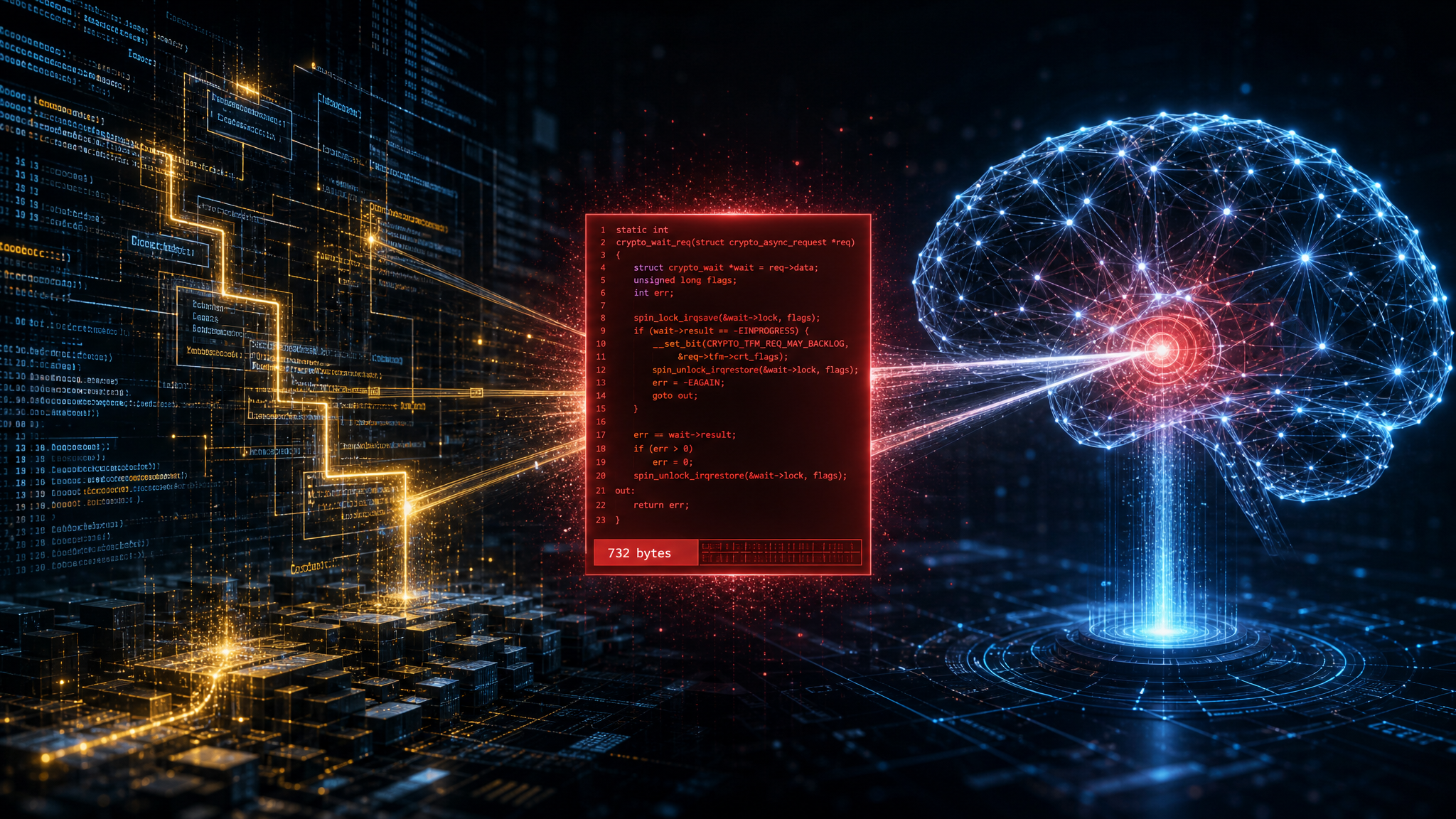
An AI-powered security scanner found a nine-year-old Linux kernel vulnerability in under an hour. Copy Fail (CVE-2026-31431) lets any unprivileged user gain root on virtually every Linux distribution since 2017 using a 732-byte Python script. Discover how AI is rewriting vulnerability discovery and why your containers may not be as isolated as you think.
CISA, the NSA, and four allied cybersecurity agencies released unprecedented joint guidance on securing agentic AI systems. Discover the five critical risk categories, mandatory zero-trust requirements, and the immediate actions your enterprise must take before deploying autonomous AI agents.
CVE-2026-26268 exposes a critical flaw in Cursor AI where cloning a malicious repository triggers automatic remote code execution. With 88% of enterprises already experiencing AI agent security incidents, discover why your IDE is now the weakest link in your security chain.
 Cybersecurity