The intelligence feedUpdated as material events develop
Analysis / Research / Guidance
The Briefing
Independent reporting on AI security, exploited vulnerabilities, and enterprise cyber risk. Built to help defenders understand what changed and what deserves action.
The Oracle PeopleSoft zero-day became the strongest fresh enterprise security story on June 12, 2026, after SecurityWeek reported Google's confirmation that ShinyHunters had already exploited the flaw against real organizations. For defenders, this is not just another ERP bug. It is a live reminder that exposed administration hubs, slow mitigation cycles, and extortion crews now intersect directly in higher education and other large institutions.
Endpoint hygiene is still one of the highest-return security jobs for small businesses. This practical checklist shows how to tighten laptop, phone, and work-device security in 2026 without pretending every team has enterprise IT budget or headcount.
Phishing still works because most attacks target busy people, not security teams. This practical playbook shows small and growing companies how to reduce phishing risk for non-technical staff without turning every inbox into a training exercise.
The Microsoft Defender RoguePlanet zero-day became the strongest fresh Windows security story of June 10, 2026, because it broke a familiar assumption: that Patch Tuesday buys defenders immediate breathing room. The exploit was validated on patched Windows 10 and 11 systems, which makes this less about one researcher and more about how quickly trust can collapse after a routine update cycle.
ServiceNow customer data exposure moved from a quiet support bulletin to a broader security story on June 10, 2026, when new reporting clarified that an unauthenticated API flaw left some customer data reachable from the internet. The deeper issue is not only the bug itself, but what it reveals about support tickets, workflow platforms, and the fragile trust built into enterprise automation.
Teams want the speed of AI without creating a quiet data leak, compliance mess, or shadow workflow problem. This practical guide shows small businesses how to allow useful AI at work in 2026 without turning every prompt into a security exception.
In many companies, the browser is now the real work desktop. Email, payroll, docs, admin panels, AI tools, and customer data all flow through it. This practical checklist shows small teams how to reduce browser-driven risk without turning everyday work into a security obstacle course.
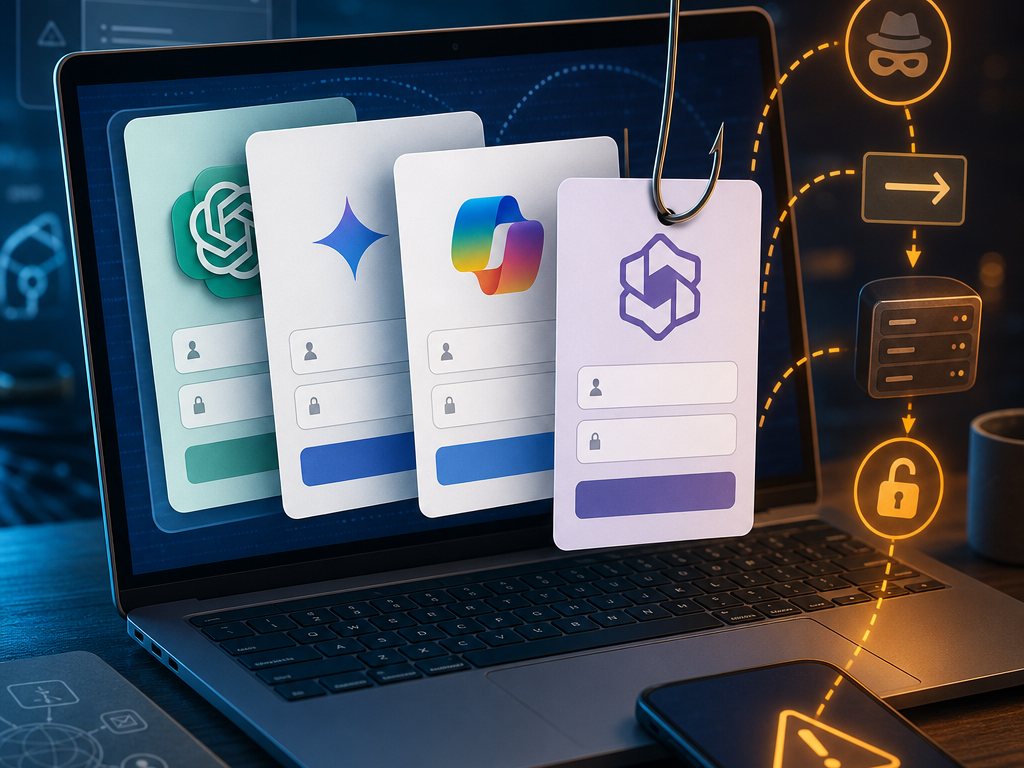
AI phishing lures are turning trusted names like ChatGPT, Claude, DeepSeek, and Copilot into credential theft bait. A fresh Microsoft threat-intelligence report from June 8 shows how attackers are combining AI branding, phishing, malvertising, and SEO poisoning to push classic social engineering at higher speed and scale.
Password managers and MFA still stop a large share of avoidable account compromise, but many small teams roll them out badly and trigger workarounds, resentment, or partial adoption. This practical guide shows how to deploy both in a way employees will actually follow in 2026.
 Cybersecurity