The intelligence feedUpdated as material events develop
Analysis / Research / Guidance
The Briefing
Independent reporting on AI security, exploited vulnerabilities, and enterprise cyber risk. Built to help defenders understand what changed and what deserves action.
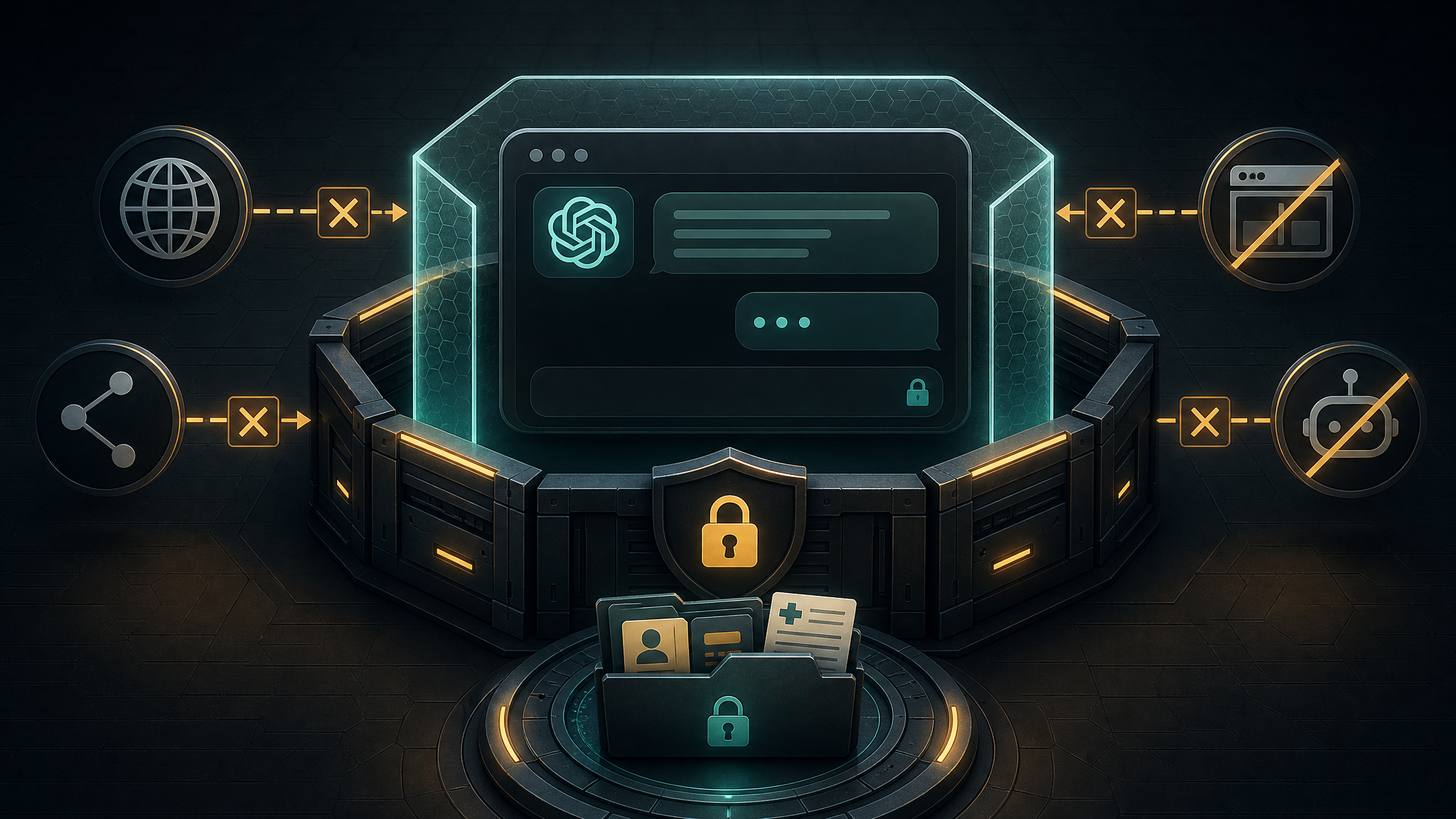
ChatGPT Lockdown Mode is OpenAI's clearest signal yet that prompt injection has to be contained at the product boundary, not just filtered in the model. The new setting limits browsing, agents, and live connectors to reduce data exfiltration risk for users handling sensitive information.
Vendor access is one of the easiest ways for a growing company to lose track of who can reach critical systems, customer data, and SaaS admin controls. This practical checklist shows how to tighten third-party access without slowing the business to a crawl.
Smart TV web scraping for AI is no longer a fringe privacy story. Fresh June 5 research shows how free apps and embedded proxy SDKs can turn connected TVs and home networks into residential scraping infrastructure, shifting cost, risk, and trust onto users who never expected their living room to become part of the AI data economy.
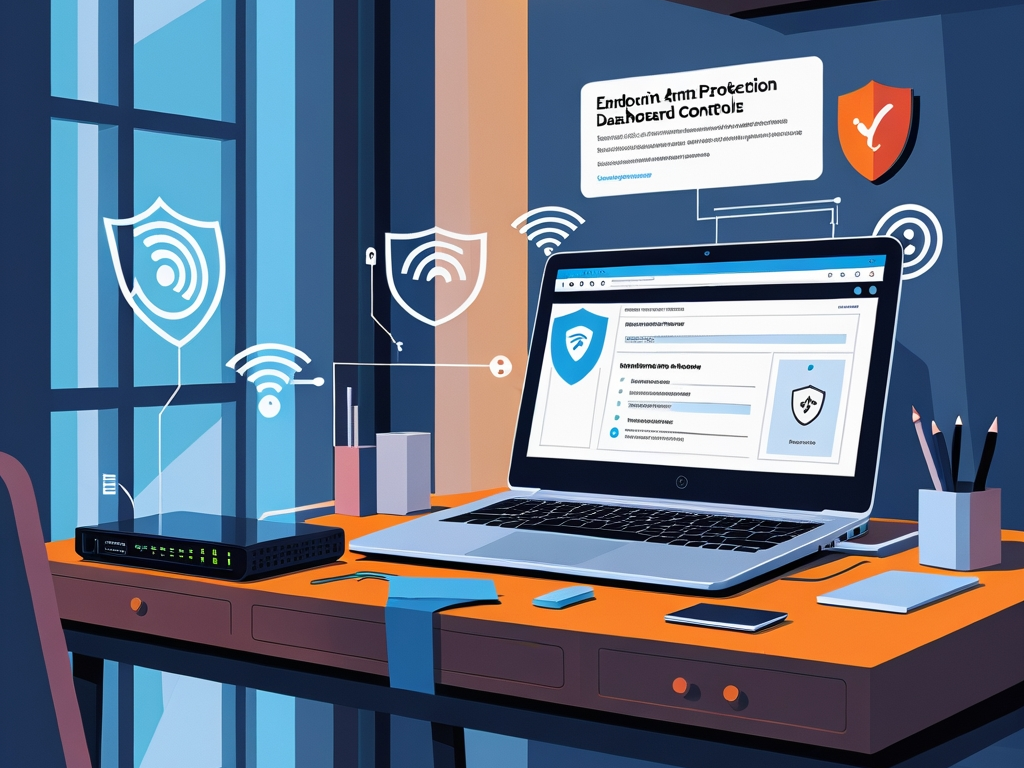
Remote work security in 2026 is less about one corporate laptop and more about protecting a stack of home Wi-Fi, browsers, SaaS logins, AI tools, and vendor access. This practical checklist gives small teams a realistic way to reduce risk without building enterprise-grade complexity they cannot maintain.
AI hallucinations in IT operations are no longer a lab concern. New Ivanti research published June 4, 2026 shows autonomous AI is already restarting services, isolating devices, and applying patches while 68% of IT pros say they have seen hallucinations with potential operational impact.
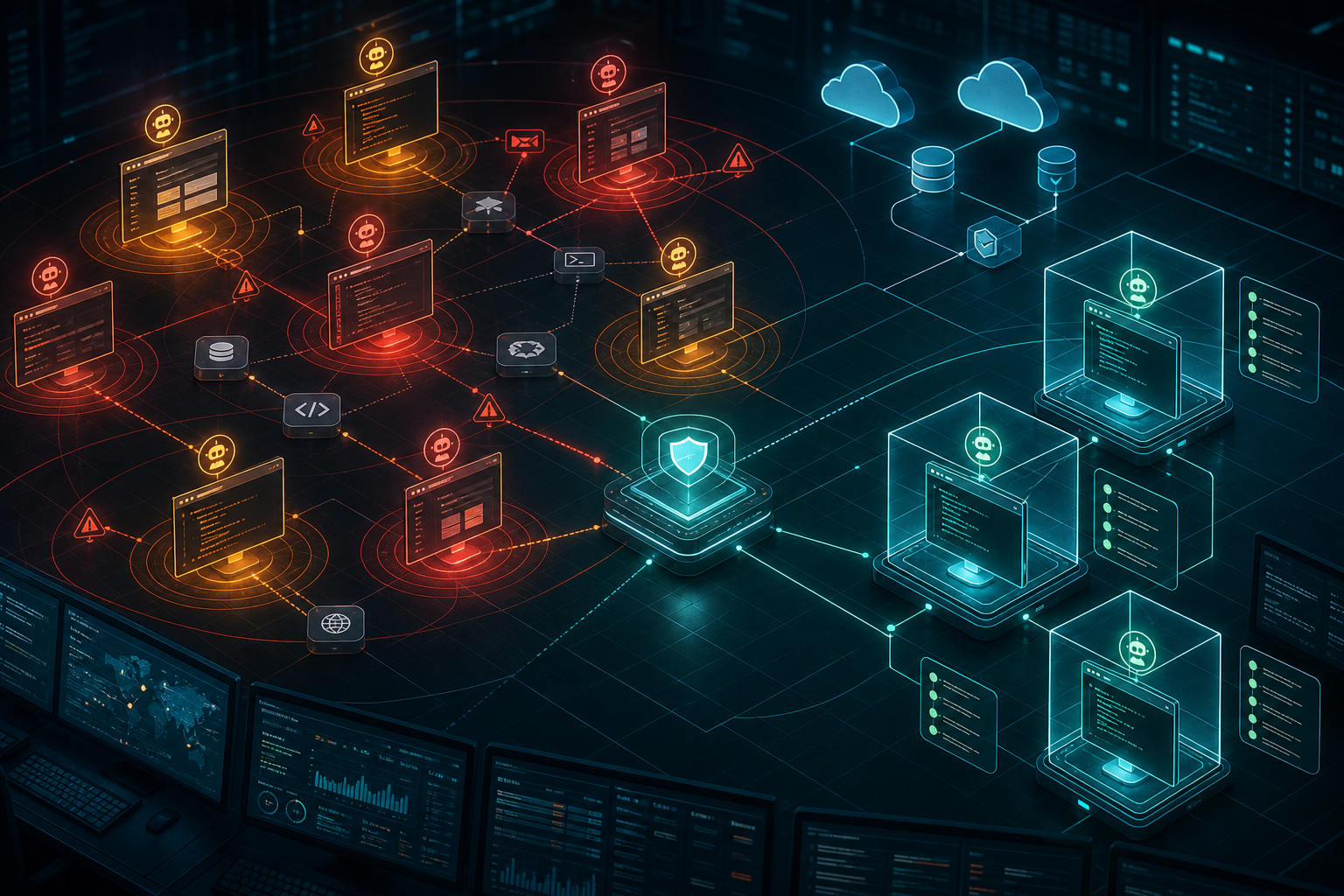
AI agent security scoring just became a real procurement and governance issue. A new June 4 AIRQ launch says only 11% of assessed production agents are both capable and well-defended, forcing enterprises to think harder about blast radius, sandboxing, and what "agent-ready" actually means.
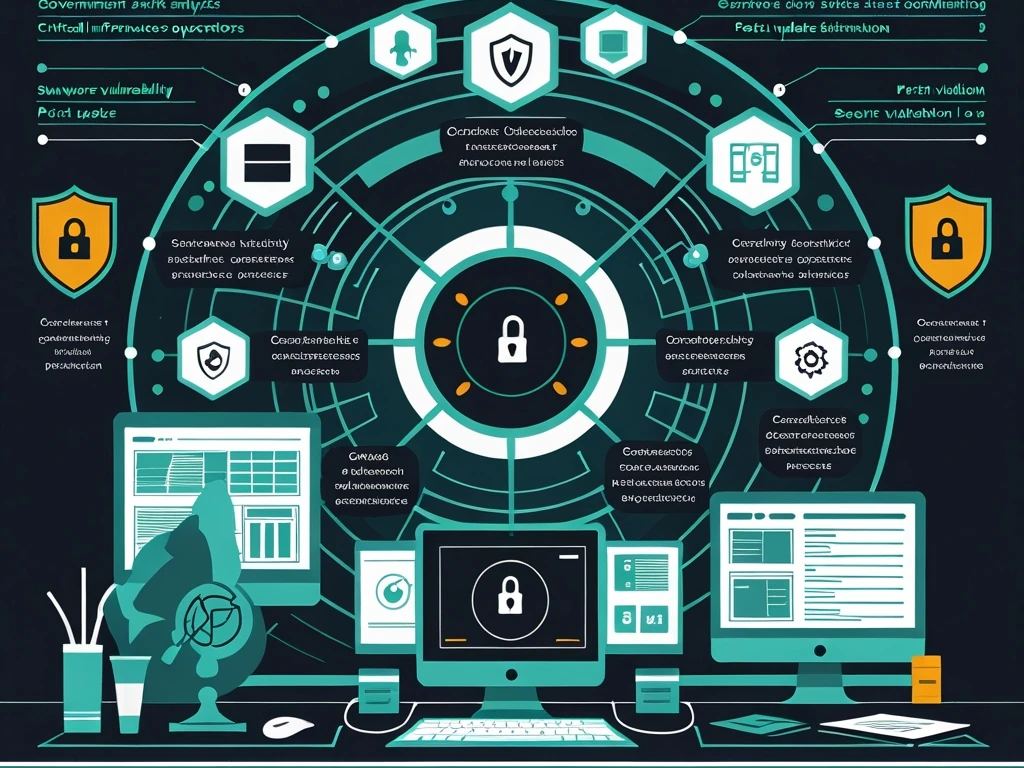
The AI cybersecurity clearinghouse in the White House's June 2, 2026 order is the clearest signal yet that vulnerability discovery is no longer the hard part. What matters now is how quickly defenders can validate, prioritize, and patch what frontier models surface.
Anthropic's June 2, 2026 expansion of Project Glasswing turns AI-driven vulnerability discovery into a critical infrastructure scaling story. The real shift is not just that Claude Mythos can find more flaws. It is that software vendors, maintainers, and defenders now need industrial-speed triage, disclosure, and patching to keep up.
The Windows Netlogon vulnerability moved from serious patch item to urgent incident-response priority on June 1, 2026, when fresh reporting showed active exploitation in the wild. If you run Windows domain controllers, CVE-2026-41089 is no longer something to queue behind the next maintenance window.
 AI Security