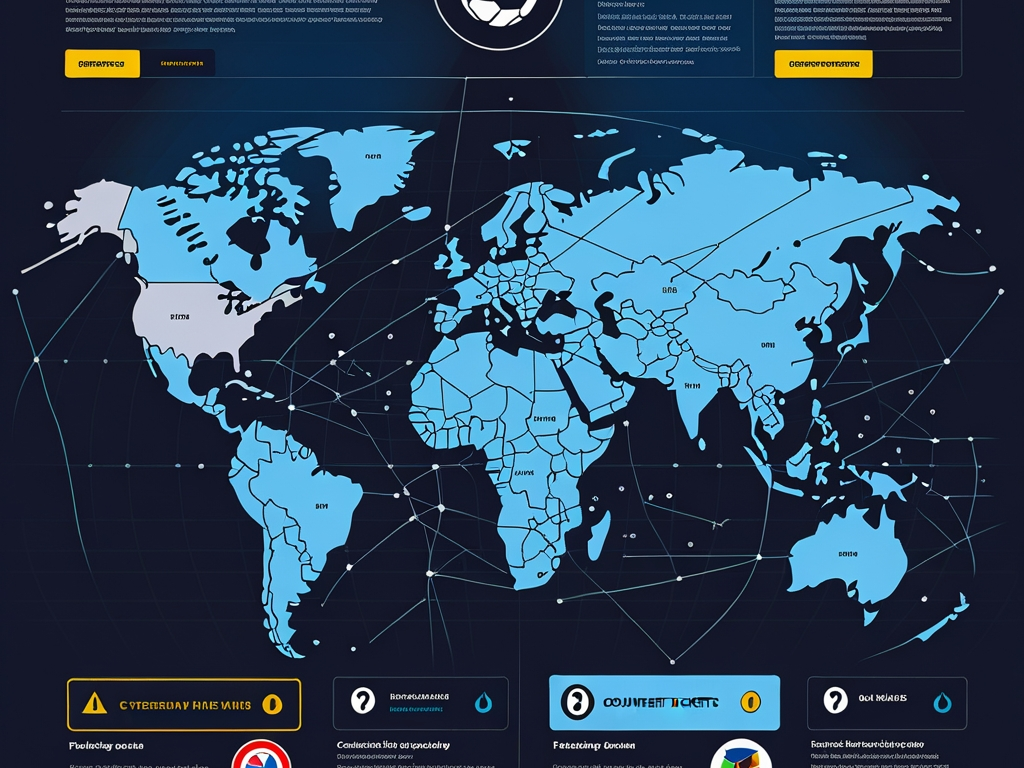
2026 FIFA World Cup scams are no longer a vague warning for next summer. They are already running now, with fake FIFA websites, typosquatted domains, and counterfeit ticket offers built to capture money and personal data while fan demand is peaking.
Fresh Help Net Security reporting published on May 28, 2026 makes the timing impossible to ignore. The FBI says threat actors are spoofing FIFA websites ahead of the tournament, while supporting research from Group-IB and Netcraft suggests the fraud ecosystem is already broad, organized, and built for scale. If you are thinking about this as a consumer nuisance, you are underestimating it. This is event-driven cybercrime with millions of potential victims and a giant conversion funnel.
Why 2026 FIFA World Cup Scams Matter Right Now
The core reason this story matters is simple. The attack infrastructure is already in place before the opening whistle.
According to the FBI's May 27 public advisory, attackers are using spoofed FIFA domains to steal personally identifiable information, sell fake tickets and hospitality packages, and support broader fraud operations. The examples are not subtle. The agency listed typo domains, alternate top-level domains, fake ticket portals, and career-themed impersonation sites designed to exploit routine user behavior.
This is exactly the kind of campaign that works because the audience is emotional, hurried, and global.
Fans do not behave like procurement teams. They search quickly, click ads, trust what looks familiar, and react badly to scarcity. FIFA has already said demand is massive, and Help Net Security notes that more than 150 million ticket requests arrived within the first 15 days of sales. That kind of pressure creates the perfect environment for fraud.
Key Stat: Group-IB says it identified more than 4,300 fraudulent domains impersonating FIFA's web presence, with 300+ domains linked to one coordinated phishing operation it calls GHOST STADIUM.
That turns this from a seasonal scam warning into a real cybercrime infrastructure story.
Fake FIFA Websites Are the Front Door to a Larger Fraud System
If you picture a fake site as one sloppy landing page with bad spelling and a broken checkout flow, update that mental model.
The reported campaigns are much more mature than that. Group-IB says GHOST STADIUM built a pixel-perfect clone of FIFA's site, copied the single sign-on flow, and supported victims in 11 languages. That matters because good fraud does not look fake at first glance. It looks familiar enough to keep a user moving.
The FBI examples show how attackers are exploiting several trust shortcuts at once:
- typo domains such as misspelled FIFA variants
- alternate domains that swap
.comfor another top-level domain - fake subdomain patterns such as jobs and career portals
- counterfeit ticket and hospitality pages
- search and ad traffic that intercepts users before they type the official address
Each of those paths does a slightly different job. Some are for direct payment fraud. Some are for credential theft. Some are for collecting enough identity data to fuel later scams, chargeback abuse, or account takeover attempts.
That makes fake FIFA websites more than a one-step con. They are a collection layer for follow-on abuse.
What attackers really want from fans
You should assume the operators want more than one monetization path from every victim. A fake portal can collect:
- full name and physical address
- email address and phone number
- login credentials
- payment card details
- banking information
- passport or identity details if a fake travel or hospitality flow asks for them
Once that data exists, the criminal upside expands. Stolen identity data can support new-account fraud, targeted phishing, refund scams, credential stuffing, and resale on criminal markets.
That is why the story is bigger than "be careful where you buy tickets." The ticket lure is just the opening move.
Common Mistake: Treating every fake ticket scam as a one-time payment loss. In many campaigns, the long-term value is the identity and account data gathered during the fake purchase journey.
%22%2F%3E%0A%20%20%3Ccircle%20cx%3D%221270%22%20cy%3D%22180%22%20r%3D%22210%22%20fill%3D%22rgba(123%2C%20215%2C%20255%2C%200.18)%22%2F%3E%0A%20%20%3Ccircle%20cx%3D%22310%22%20cy%3D%22710%22%20r%3D%22250%22%20fill%3D%22rgba(52%2C%20211%2C%20153%2C%200.10)%22%2F%3E%0A%20%20%3Cpath%20d%3D%22M160%20708C340%20574%20498%20531%20653%20566C828%20605%20941%20504%201086%20418C1191%20355%201308%20317%201440%20332%22%20stroke%3D%22%237bd7ff%22%20stroke-width%3D%2210%22%20stroke-linecap%3D%22round%22%20opacity%3D%220.85%22%2F%3E%0A%20%20%3Cpath%20d%3D%22M160%20640H1440%22%20stroke%3D%22rgba(255%2C255%2C255%2C0.08)%22%20stroke-width%3D%222%22%2F%3E%0A%20%20%3Cpath%20d%3D%22M160%20298H1440%22%20stroke%3D%22rgba(255%2C255%2C255%2C0.08)%22%20stroke-width%3D%222%22%2F%3E%0A%20%20%3Crect%20x%3D%22160%22%20y%3D%22142%22%20width%3D%22174%22%20height%3D%2236%22%20rx%3D%2218%22%20fill%3D%22rgba(123%2C%20215%2C%20255%2C%200.18)%22%20stroke%3D%22%237bd7ff%22%2F%3E%0A%20%20%3Ctext%20x%3D%22247%22%20y%3D%22166%22%20text-anchor%3D%22middle%22%20fill%3D%22%23D9F4FF%22%20font-size%3D%2218%22%20font-family%3D%22Arial%2C%20Helvetica%2C%20sans-serif%22%20letter-spacing%3D%222%22%3ECYBERSECURITY%3C%2Ftext%3E%0A%20%20%3Ctext%20x%3D%22160%22%20y%3D%22392%22%20fill%3D%22%23F7FBFF%22%20font-size%3D%2266%22%20font-weight%3D%22700%22%20font-family%3D%22Arial%2C%20Helvetica%2C%20sans-serif%22%3EThe%20Real%20Story%20Is%20Fraud%20at%3C%2Ftext%3E%0A%20%20%3Ctext%20x%3D%22160%22%20y%3D%22470%22%20fill%3D%22%23F7FBFF%22%20font-size%3D%2266%22%20font-weight%3D%22700%22%20font-family%3D%22Arial%2C%20Helvetica%2C%20sans-serif%22%3EWorld%20Cup%20Scale%3C%2Ftext%3E%0A%20%20%3Ctext%20x%3D%22160%22%20y%3D%22554%22%20fill%3D%22%23A8B8C8%22%20font-size%3D%2228%22%20font-family%3D%22Arial%2C%20Helvetica%2C%20sans-serif%22%3E2026%20FIFA%20World%20Cup%20Scams%3A%20Fake%20FIFA%3C%2Ftext%3E%0A%20%20%3Crect%20x%3D%221080%22%20y%3D%22420%22%20width%3D%22274%22%20height%3D%22182%22%20rx%3D%2222%22%20fill%3D%22%230E2231%22%20stroke%3D%22rgba(255%2C255%2C255%2C0.10)%22%2F%3E%0A%20%20%3Crect%20x%3D%221120%22%20y%3D%22458%22%20width%3D%22112%22%20height%3D%2218%22%20rx%3D%229%22%20fill%3D%22%237bd7ff%22%20opacity%3D%220.9%22%2F%3E%0A%20%20%3Crect%20x%3D%221120%22%20y%3D%22498%22%20width%3D%22180%22%20height%3D%2212%22%20rx%3D%226%22%20fill%3D%22rgba(255%2C255%2C255%2C0.2)%22%2F%3E%0A%20%20%3Crect%20x%3D%221120%22%20y%3D%22526%22%20width%3D%22146%22%20height%3D%2212%22%20rx%3D%226%22%20fill%3D%22rgba(255%2C255%2C255%2C0.14)%22%2F%3E%0A%20%20%3Crect%20x%3D%221120%22%20y%3D%22554%22%20width%3D%2288%22%20height%3D%2212%22%20rx%3D%226%22%20fill%3D%22rgba(255%2C255%2C255%2C0.12)%22%2F%3E%0A%20%20%3Ccircle%20cx%3D%221340%22%20cy%3D%22522%22%20r%3D%2244%22%20fill%3D%22rgba(123%2C%20215%2C%20255%2C%200.18)%22%20stroke%3D%22%237bd7ff%22%2F%3E%0A%20%20%3Cpath%20d%3D%22M1322%20522L1336%20536L1360%20506%22%20stroke%3D%22%237bd7ff%22%20stroke-width%3D%228%22%20stroke-linecap%3D%22round%22%20stroke-linejoin%3D%22round%22%2F%3E%0A%20%20%3Ctext%20x%3D%22160%22%20y%3D%22748%22%20fill%3D%22%237BD7FF%22%20font-size%3D%2222%22%20font-family%3D%22Arial%2C%20Helvetica%2C%20sans-serif%22%20letter-spacing%3D%223%22%3EHEXON%20%2F%2F%20SUPPORTING%20VISUAL%3C%2Ftext%3E%0A%3C%2Fsvg%3E)
The Real Story Is Fraud at World Cup Scale
What makes this campaign especially serious is the size of the event around it.
The 2026 World Cup will span the United States, Canada, and Mexico, with 104 matches across 16 cities and an expected attendance above 6 million fans. That scale gives attackers a rare combination of urgency, volume, and geography. Victims will be searching for tickets, jobs, hospitality packages, travel, live streams, merchandise, and betting offers across dozens of languages and markets.
From an attacker's perspective, that is ideal.
They do not need to build a new social-engineering narrative from scratch. The event itself supplies the lure. Scarcity supplies the pressure. International audiences supply the long tail of search behavior. Social platforms and search ads supply distribution.
Netcraft's reporting reinforces that the fraud is not limited to one trick. It found World Cup-themed staging activity across ticket scams, hotel fraud, social posts, Telegram channels, betting lures, and SEO-heavy abuse. Group-IB goes further, describing six parallel monetization schemes: credential phishing, fake ticket sales, counterfeit merchandise, fake streaming services, fraudulent betting offers, and infostealer-driven credential theft.
That is why this angle feels different from older event scams. The infrastructure looks less like opportunistic spam and more like a layered campaign economy.
Why This Is a Cybersecurity Story, Not Just a Consumer-Protection Story
It is tempting to treat this as something only individual fans need to worry about. That would be too narrow.
Large event scams spill into enterprise risk in a few predictable ways.
First, employees use work devices and work email accounts for personal activity more often than security teams like to admit. A fake FIFA login or ticket site visited on a corporate endpoint can still lead to credential exposure, malware delivery, or account crossover issues.
Second, brand abuse and phishing infrastructure behave like testbeds. The same operators and techniques can pivot from fans to sponsors, host-city vendors, staffing partners, hospitality providers, and media organizations.
Third, major events create a fog of legitimacy. People expect unusual communications, schedule changes, temporary offers, and urgent purchase decisions. That lowers skepticism at exactly the wrong moment.
Hexon.bot has covered this pattern before in different forms, whether through malicious browser add-ons dressed up as useful AI tools, Ghost CMS campaigns that turn routine clicks into malware delivery, or AI-assisted tradecraft that helps attackers scale social engineering faster. The lures change. The economics do not.
Attackers go where urgency and trust are cheapest to exploit.
Pro Tip: Treat major event fraud like a temporary surge in brand impersonation risk. If your organization sponsors, sells around, staffs, or travels to the event, the scam surface extends far beyond individual fans.
%22%2F%3E%0A%20%20%3Ccircle%20cx%3D%221270%22%20cy%3D%22180%22%20r%3D%22210%22%20fill%3D%22rgba(167%2C%20139%2C%20250%2C%200.18)%22%2F%3E%0A%20%20%3Ccircle%20cx%3D%22310%22%20cy%3D%22710%22%20r%3D%22250%22%20fill%3D%22rgba(52%2C%20211%2C%20153%2C%200.10)%22%2F%3E%0A%20%20%3Cpath%20d%3D%22M160%20708C340%20574%20498%20531%20653%20566C828%20605%20941%20504%201086%20418C1191%20355%201308%20317%201440%20332%22%20stroke%3D%22%23a78bfa%22%20stroke-width%3D%2210%22%20stroke-linecap%3D%22round%22%20opacity%3D%220.85%22%2F%3E%0A%20%20%3Cpath%20d%3D%22M160%20640H1440%22%20stroke%3D%22rgba(255%2C255%2C255%2C0.08)%22%20stroke-width%3D%222%22%2F%3E%0A%20%20%3Cpath%20d%3D%22M160%20298H1440%22%20stroke%3D%22rgba(255%2C255%2C255%2C0.08)%22%20stroke-width%3D%222%22%2F%3E%0A%20%20%3Crect%20x%3D%22160%22%20y%3D%22142%22%20width%3D%22174%22%20height%3D%2236%22%20rx%3D%2218%22%20fill%3D%22rgba(167%2C%20139%2C%20250%2C%200.18)%22%20stroke%3D%22%23a78bfa%22%2F%3E%0A%20%20%3Ctext%20x%3D%22247%22%20y%3D%22166%22%20text-anchor%3D%22middle%22%20fill%3D%22%23D9F4FF%22%20font-size%3D%2218%22%20font-family%3D%22Arial%2C%20Helvetica%2C%20sans-serif%22%20letter-spacing%3D%222%22%3ECYBERSECURITY%3C%2Ftext%3E%0A%20%20%3Ctext%20x%3D%22160%22%20y%3D%22392%22%20fill%3D%22%23F7FBFF%22%20font-size%3D%2266%22%20font-weight%3D%22700%22%20font-family%3D%22Arial%2C%20Helvetica%2C%20sans-serif%22%3EHow%20to%20Spot%202026%20FIFA%20World%3C%2Ftext%3E%0A%20%20%3Ctext%20x%3D%22160%22%20y%3D%22470%22%20fill%3D%22%23F7FBFF%22%20font-size%3D%2266%22%20font-weight%3D%22700%22%20font-family%3D%22Arial%2C%20Helvetica%2C%20sans-serif%22%3ECup%20Scams%20Before%20They%20Burn%3C%2Ftext%3E%0A%20%20%3Ctext%20x%3D%22160%22%20y%3D%22554%22%20fill%3D%22%23A8B8C8%22%20font-size%3D%2228%22%20font-family%3D%22Arial%2C%20Helvetica%2C%20sans-serif%22%3E2026%20FIFA%20World%20Cup%20Scams%3A%20Fake%20FIFA%3C%2Ftext%3E%0A%20%20%3Crect%20x%3D%221080%22%20y%3D%22420%22%20width%3D%22274%22%20height%3D%22182%22%20rx%3D%2222%22%20fill%3D%22%230E2231%22%20stroke%3D%22rgba(255%2C255%2C255%2C0.10)%22%2F%3E%0A%20%20%3Crect%20x%3D%221120%22%20y%3D%22458%22%20width%3D%22112%22%20height%3D%2218%22%20rx%3D%229%22%20fill%3D%22%23a78bfa%22%20opacity%3D%220.9%22%2F%3E%0A%20%20%3Crect%20x%3D%221120%22%20y%3D%22498%22%20width%3D%22180%22%20height%3D%2212%22%20rx%3D%226%22%20fill%3D%22rgba(255%2C255%2C255%2C0.2)%22%2F%3E%0A%20%20%3Crect%20x%3D%221120%22%20y%3D%22526%22%20width%3D%22146%22%20height%3D%2212%22%20rx%3D%226%22%20fill%3D%22rgba(255%2C255%2C255%2C0.14)%22%2F%3E%0A%20%20%3Crect%20x%3D%221120%22%20y%3D%22554%22%20width%3D%2288%22%20height%3D%2212%22%20rx%3D%226%22%20fill%3D%22rgba(255%2C255%2C255%2C0.12)%22%2F%3E%0A%20%20%3Ccircle%20cx%3D%221340%22%20cy%3D%22522%22%20r%3D%2244%22%20fill%3D%22rgba(167%2C%20139%2C%20250%2C%200.18)%22%20stroke%3D%22%23a78bfa%22%2F%3E%0A%20%20%3Cpath%20d%3D%22M1322%20522L1336%20536L1360%20506%22%20stroke%3D%22%23a78bfa%22%20stroke-width%3D%228%22%20stroke-linecap%3D%22round%22%20stroke-linejoin%3D%22round%22%2F%3E%0A%20%20%3Ctext%20x%3D%22160%22%20y%3D%22748%22%20fill%3D%22%237BD7FF%22%20font-size%3D%2222%22%20font-family%3D%22Arial%2C%20Helvetica%2C%20sans-serif%22%20letter-spacing%3D%223%22%3EHEXON%20%2F%2F%20SUPPORTING%20VISUAL%3C%2Ftext%3E%0A%3C%2Fsvg%3E)
How to Spot 2026 FIFA World Cup Scams Before They Burn You
The most useful defensive move is to assume that search results, social posts, resale offers, and urgent messages are hostile until proven otherwise.
That sounds severe, but it is appropriate here. The FBI explicitly recommends typing fifa.com directly into the browser instead of trusting search placement, especially sponsored results. That advice matters because paid placement can make fraudulent sites look authoritative during fast searches.
High-signal warning signs
Watch for these patterns:
- The domain is close to FIFA's brand but not exactly
fifa.com. - The site pushes urgency before it establishes legitimacy.
- The offer claims broad ticket availability despite obvious scarcity.
- The payment flow steers you toward unusual methods or off-platform messaging.
- The page asks for more identity information than the task should require.
- The path begins on an ad, Telegram link, or social account rather than the official site.
None of those signals alone proves fraud. Together, they are enough to stop and re-check.
Safer behavior that actually helps
If you are buying, browsing, or verifying anything tied to the tournament:
- type the official domain manually
- use saved bookmarks for repeat visits
- avoid sponsored search results when possible
- do not trust urgency-based resale messages on social platforms
- verify hospitality and travel offers through official FIFA or known partner channels
- avoid handing over identity data until the domain and workflow are clearly legitimate
This is not glamorous advice, but it is the advice that works.
What Security Teams and Brand Defenders Should Do Now
If you support a brand, sponsor, payment provider, travel partner, retailer, or enterprise with World Cup exposure, this story should trigger action now rather than during the tournament.
1. Monitor for brand-adjacent domains early
The FBI and private-sector research both show that fraudulent domains are already registered and active. Domain watching cannot start once the tournament is underway. By then, the funnel is already live.
2. Prepare event-specific user education
Generic anti-phishing reminders are weak against event hype. People need specific guidance about fake FIFA websites, bogus ticket listings, career portals, hotel packages, and social-media resale traps.
3. Review ad and search exposure
If your organization buys ads around the event or depends on branded search traffic, it needs visibility into impersonating campaigns and poisoned redirects. Search interception is part of the risk surface.
4. Coordinate fraud and security teams
This is one of those cases where cyber, brand abuse, payments, and fraud operations should not work in silos. The same campaign can show up as phishing, chargebacks, customer complaints, fake merchant flows, or compromised accounts.
5. Expect cross-channel abuse
The reporting already points to domains, social media, Telegram, and dark-web resale activity. If your defense only watches the web, you will miss part of the campaign.
Key Takeaway: The safest assumption is that World Cup fraud is already multichannel, multilingual, and commercially organized. Teams that wait for live victim complaints are starting late.
The Bigger Lesson From the FIFA Scam Wave
The deeper lesson is not really about soccer.
It is about how modern cybercrime treats cultural moments as high-conversion attack surfaces. Attackers no longer wait for a breach headline or a fresh zero-day to build momentum. They can scale around anticipation itself. If millions of people are about to search, register, pay, travel, or log in under pressure, that behavior becomes the attack surface.
That is why 2026 FIFA World Cup scams deserve attention from both readers and defenders right now. The fraud ecosystem has already moved from speculation to infrastructure. Same-day public reporting, an FBI warning, and supporting research all point in the same direction: the fake sites are not coming later. They are here.
If you care about the event, move slower than the scammers want you to. If you defend users, brands, or payment flows around it, treat this as a live campaign and not a seasonal PSA.
Because once the opening match arrives, the hardest part of this story will not be predicting the fraud. It will be keeping up with the volume.