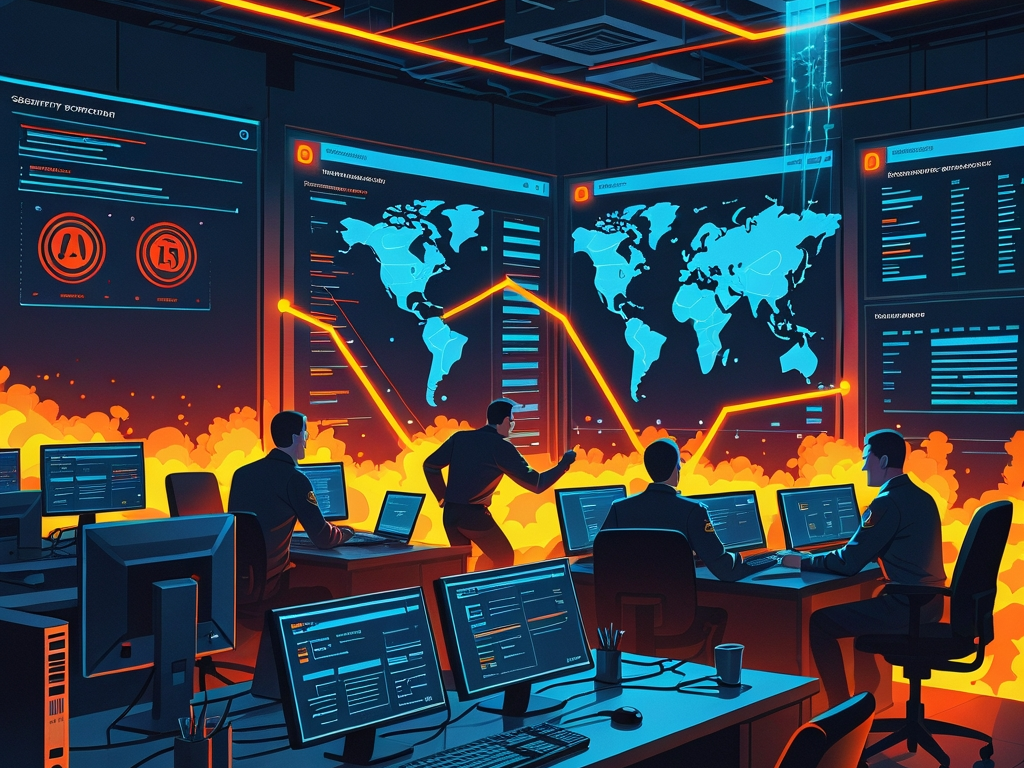
Most vulnerability guidance still assumes defenders have time to breathe.
Find the issue. Score the severity. Open a ticket. Schedule the patch window. Coordinate with operations. Hope nothing bad happens before the maintenance slot arrives.
That model was already under pressure before 2026. It looks even weaker now.
Fresh public reporting published on May 26, 2026 highlights a sharp new expectation from India's national cyber agency, CERT-In: organizations should move to contain or remediate known exploited vulnerabilities affecting internet-facing and crown-jewel systems within 12 hours, where feasible. Supporting coverage points to a broader blueprint released on May 25 that ties the urgency directly to AI-assisted cyber exploitation.
That is the real story here. The headline is not just that one government body wants faster patching. The headline is that a national-level defender is openly acknowledging what many security teams still struggle to operationalize: the old vulnerability response window is collapsing.
Attackers do not need days to study exposed systems anymore. With large language models and other AI tooling, they can compress reconnaissance, exploit analysis, phishing preparation, and malware customization into a much tighter cycle. If defenders keep operating on weekly patch rhythms for exposed critical assets, they are protecting yesterday's timeline against today's threat speed.
This Is Really a Time-to-Exposure Story
It is tempting to read the 12-hour number as an aggressive compliance slogan. That would miss the point.
CERT-In's move matters because it shifts attention away from abstract severity and toward exposure economics. A flaw in an internal system with strong segmentation and limited access is not the same operational problem as a known exploited weakness on something directly reachable from the internet. One gives defenders room to prioritize. The other gives attackers a race to win.
That distinction is overdue.
Too many patch programs still treat vulnerability management like a backlog problem. They sort by CVSS, drown in tickets, and assume the calendar is the main control. But the systems attackers care about most are usually obvious:
- internet-facing applications
- remote access infrastructure
- identity systems
- cloud control planes and exposed APIs
- critical business applications tied to sensitive data
If an attacker can reach those systems quickly, and AI helps them move from discovery to exploit selection faster, then the most important metric is not "how many critical findings do we have?" It is "how long do our highest-value exposed paths stay weak after the world knows about them?"
That is the question CERT-In is really forcing.
AI Does Not Need to Invent Magic to Change the Game
Security teams sometimes hear "AI-assisted attacks" and assume the story must involve autonomous super-malware or fully AI-written zero-days. Sometimes it does. Most of the time, the practical effect is simpler and still dangerous.
AI helps attackers:
- summarize public vulnerability details faster
- compare exploit paths across similar products
- turn noisy research into usable operator notes
- generate phishing lures and pretext text at scale
- adapt scripts and malware variants with less manual effort
- accelerate target triage across large attack surfaces
None of that requires science fiction. It just reduces friction.
And when enough friction disappears, timelines change.
That is why this CERT-In guidance deserves attention beyond India. It reflects a broader reality defenders are starting to confront across sectors: once attackers can operationalize intelligence faster, the gap between disclosure and exploitation becomes a tactical failure zone.
You do not need every attacker to be sophisticated. You only need the barrier to drop low enough that more adversaries can weaponize what used to demand specialist effort.
%22%2F%3E%0A%20%20%3Ccircle%20cx%3D%221270%22%20cy%3D%22180%22%20r%3D%22210%22%20fill%3D%22rgba(123%2C%20215%2C%20255%2C%200.18)%22%2F%3E%0A%20%20%3Ccircle%20cx%3D%22310%22%20cy%3D%22710%22%20r%3D%22250%22%20fill%3D%22rgba(52%2C%20211%2C%20153%2C%200.10)%22%2F%3E%0A%20%20%3Cpath%20d%3D%22M160%20708C340%20574%20498%20531%20653%20566C828%20605%20941%20504%201086%20418C1191%20355%201308%20317%201440%20332%22%20stroke%3D%22%237bd7ff%22%20stroke-width%3D%2210%22%20stroke-linecap%3D%22round%22%20opacity%3D%220.85%22%2F%3E%0A%20%20%3Cpath%20d%3D%22M160%20640H1440%22%20stroke%3D%22rgba(255%2C255%2C255%2C0.08)%22%20stroke-width%3D%222%22%2F%3E%0A%20%20%3Cpath%20d%3D%22M160%20298H1440%22%20stroke%3D%22rgba(255%2C255%2C255%2C0.08)%22%20stroke-width%3D%222%22%2F%3E%0A%20%20%3Crect%20x%3D%22160%22%20y%3D%22142%22%20width%3D%22174%22%20height%3D%2236%22%20rx%3D%2218%22%20fill%3D%22rgba(123%2C%20215%2C%20255%2C%200.18)%22%20stroke%3D%22%237bd7ff%22%2F%3E%0A%20%20%3Ctext%20x%3D%22247%22%20y%3D%22166%22%20text-anchor%3D%22middle%22%20fill%3D%22%23D9F4FF%22%20font-size%3D%2218%22%20font-family%3D%22Arial%2C%20Helvetica%2C%20sans-serif%22%20letter-spacing%3D%222%22%3EAI%20SECURITY%3C%2Ftext%3E%0A%20%20%3Ctext%20x%3D%22160%22%20y%3D%22392%22%20fill%3D%22%23F7FBFF%22%20font-size%3D%2266%22%20font-weight%3D%22700%22%20font-family%3D%22Arial%2C%20Helvetica%2C%20sans-serif%22%3EThe%2012-Hour%20Number%20Is%20Harsh%2C%3C%2Ftext%3E%0A%20%20%3Ctext%20x%3D%22160%22%20y%3D%22470%22%20fill%3D%22%23F7FBFF%22%20font-size%3D%2266%22%20font-weight%3D%22700%22%20font-family%3D%22Arial%2C%20Helvetica%2C%20sans-serif%22%3Ebut%20the%20Old%20Pace%20Was%20Worse%3C%2Ftext%3E%0A%20%20%3Ctext%20x%3D%22160%22%20y%3D%22554%22%20fill%3D%22%23A8B8C8%22%20font-size%3D%2228%22%20font-family%3D%22Arial%2C%20Helvetica%2C%20sans-serif%22%3ECERT-In%26%2339%3Bs%2012-Hour%20Patch%20Push%20Shows%20How%20AI%3C%2Ftext%3E%0A%20%20%3Crect%20x%3D%221080%22%20y%3D%22420%22%20width%3D%22274%22%20height%3D%22182%22%20rx%3D%2222%22%20fill%3D%22%230E2231%22%20stroke%3D%22rgba(255%2C255%2C255%2C0.10)%22%2F%3E%0A%20%20%3Crect%20x%3D%221120%22%20y%3D%22458%22%20width%3D%22112%22%20height%3D%2218%22%20rx%3D%229%22%20fill%3D%22%237bd7ff%22%20opacity%3D%220.9%22%2F%3E%0A%20%20%3Crect%20x%3D%221120%22%20y%3D%22498%22%20width%3D%22180%22%20height%3D%2212%22%20rx%3D%226%22%20fill%3D%22rgba(255%2C255%2C255%2C0.2)%22%2F%3E%0A%20%20%3Crect%20x%3D%221120%22%20y%3D%22526%22%20width%3D%22146%22%20height%3D%2212%22%20rx%3D%226%22%20fill%3D%22rgba(255%2C255%2C255%2C0.14)%22%2F%3E%0A%20%20%3Crect%20x%3D%221120%22%20y%3D%22554%22%20width%3D%2288%22%20height%3D%2212%22%20rx%3D%226%22%20fill%3D%22rgba(255%2C255%2C255%2C0.12)%22%2F%3E%0A%20%20%3Ccircle%20cx%3D%221340%22%20cy%3D%22522%22%20r%3D%2244%22%20fill%3D%22rgba(123%2C%20215%2C%20255%2C%200.18)%22%20stroke%3D%22%237bd7ff%22%2F%3E%0A%20%20%3Cpath%20d%3D%22M1322%20522L1336%20536L1360%20506%22%20stroke%3D%22%237bd7ff%22%20stroke-width%3D%228%22%20stroke-linecap%3D%22round%22%20stroke-linejoin%3D%22round%22%2F%3E%0A%20%20%3Ctext%20x%3D%22160%22%20y%3D%22748%22%20fill%3D%22%237BD7FF%22%20font-size%3D%2222%22%20font-family%3D%22Arial%2C%20Helvetica%2C%20sans-serif%22%20letter-spacing%3D%223%22%3EHEXON%20%2F%2F%20SUPPORTING%20VISUAL%3C%2Ftext%3E%0A%3C%2Fsvg%3E)
The 12-Hour Number Is Harsh, but the Old Pace Was Worse
Let us be honest. For many organizations, twelve hours sounds brutal.
Legacy systems break when patched. Change boards move slowly. Business owners resist outages. Global environments hand work off across time zones. Asset inventories are incomplete. Teams are already buried under routine operations.
All true.
But none of those facts make the old pace safer.
If a known exploited vulnerability is sitting on an internet-facing application, an identity edge, or a "crown-jewel" system, delay is not neutral. Delay is exposure. Delay is the attacker's dwell-free window. Delay is the period where one unpatched system can turn into initial access, identity compromise, lateral movement, ransomware staging, or data theft.
The key phrase in the reporting is "where feasible." CERT-In is not pretending every environment can instantly patch every exposed flaw. It is establishing the right default mindset:
- internet-facing and critical assets deserve a separate response lane
- known exploitation matters more than raw severity scoring alone
- patching is only one option, but containment cannot wait
That third point is crucial. If no safe patch is ready, the right move may be isolation, access restriction, virtual patching, tighter WAF controls, credential resets, or temporary service removal. The operational goal is not patch purity. It is rapid exposure reduction.
The Bigger Signal Is Governance, Not Just Patching
The supporting coverage of CERT-In's blueprint makes this more interesting than a single patch deadline story.
The guidance reportedly spans:
- zero trust principles
- layered defense
- supply chain assurance
- AI governance
- security visibility into AI systems and integrations
- protection against prompt injection, model theft, and training-data poisoning
That matters because the defensive lesson is broader than "patch faster."
AI changes the attack surface in two directions at once:
- attackers use AI to compress operations against traditional systems
- defenders deploy AI systems that create new control and governance risks of their own
A mature response cannot separate those two realities. An enterprise that rushes to deploy copilots, agents, and automation while still running slow exposure management on internet-facing systems is stacking risk on top of risk. The faster the environment becomes, the less room there is for weak asset visibility, vague ownership, and patching by committee.
Why This Story Is Different From Generic AI Security Chatter
There is a lot of low-value AI security commentary floating around right now. Much of it says attackers are using AI, defenses must evolve, and organizations should be concerned. That is rarely actionable.
This story is better because it contains an operational threshold.
A public 12-hour expectation for exposed known exploited vulnerabilities gives security leaders something concrete to evaluate:
- Which systems count as internet-facing and crown-jewel in our environment?
- Do we know that inventory in real time?
- Can we route known exploited flaws into an emergency lane automatically?
- Can we isolate or restrict a critical exposed system the same day if patching is risky?
- Are our change-management rules aligned to attack timelines, or to organizational comfort?
That is a much stronger planning prompt than another vague statement about AI changing cybersecurity.
It also reinforces a point Hexon.bot has covered before in other contexts: speed is now part of the control surface. The organization that sees, decides, and reduces exposure fastest is the organization that preserves optionality. Everyone else is negotiating with the clock after the attacker has already started moving.
%22%2F%3E%0A%20%20%3Ccircle%20cx%3D%221270%22%20cy%3D%22180%22%20r%3D%22210%22%20fill%3D%22rgba(167%2C%20139%2C%20250%2C%200.18)%22%2F%3E%0A%20%20%3Ccircle%20cx%3D%22310%22%20cy%3D%22710%22%20r%3D%22250%22%20fill%3D%22rgba(52%2C%20211%2C%20153%2C%200.10)%22%2F%3E%0A%20%20%3Cpath%20d%3D%22M160%20708C340%20574%20498%20531%20653%20566C828%20605%20941%20504%201086%20418C1191%20355%201308%20317%201440%20332%22%20stroke%3D%22%23a78bfa%22%20stroke-width%3D%2210%22%20stroke-linecap%3D%22round%22%20opacity%3D%220.85%22%2F%3E%0A%20%20%3Cpath%20d%3D%22M160%20640H1440%22%20stroke%3D%22rgba(255%2C255%2C255%2C0.08)%22%20stroke-width%3D%222%22%2F%3E%0A%20%20%3Cpath%20d%3D%22M160%20298H1440%22%20stroke%3D%22rgba(255%2C255%2C255%2C0.08)%22%20stroke-width%3D%222%22%2F%3E%0A%20%20%3Crect%20x%3D%22160%22%20y%3D%22142%22%20width%3D%22174%22%20height%3D%2236%22%20rx%3D%2218%22%20fill%3D%22rgba(167%2C%20139%2C%20250%2C%200.18)%22%20stroke%3D%22%23a78bfa%22%2F%3E%0A%20%20%3Ctext%20x%3D%22247%22%20y%3D%22166%22%20text-anchor%3D%22middle%22%20fill%3D%22%23D9F4FF%22%20font-size%3D%2218%22%20font-family%3D%22Arial%2C%20Helvetica%2C%20sans-serif%22%20letter-spacing%3D%222%22%3EAI%20SECURITY%3C%2Ftext%3E%0A%20%20%3Ctext%20x%3D%22160%22%20y%3D%22392%22%20fill%3D%22%23F7FBFF%22%20font-size%3D%2266%22%20font-weight%3D%22700%22%20font-family%3D%22Arial%2C%20Helvetica%2C%20sans-serif%22%3EWhat%20Security%20Teams%20Should%3C%2Ftext%3E%0A%20%20%3Ctext%20x%3D%22160%22%20y%3D%22470%22%20fill%3D%22%23F7FBFF%22%20font-size%3D%2266%22%20font-weight%3D%22700%22%20font-family%3D%22Arial%2C%20Helvetica%2C%20sans-serif%22%3EChange%20Right%20Now%3C%2Ftext%3E%0A%20%20%3Ctext%20x%3D%22160%22%20y%3D%22554%22%20fill%3D%22%23A8B8C8%22%20font-size%3D%2228%22%20font-family%3D%22Arial%2C%20Helvetica%2C%20sans-serif%22%3ECERT-In%26%2339%3Bs%2012-Hour%20Patch%20Push%20Shows%20How%20AI%3C%2Ftext%3E%0A%20%20%3Crect%20x%3D%221080%22%20y%3D%22420%22%20width%3D%22274%22%20height%3D%22182%22%20rx%3D%2222%22%20fill%3D%22%230E2231%22%20stroke%3D%22rgba(255%2C255%2C255%2C0.10)%22%2F%3E%0A%20%20%3Crect%20x%3D%221120%22%20y%3D%22458%22%20width%3D%22112%22%20height%3D%2218%22%20rx%3D%229%22%20fill%3D%22%23a78bfa%22%20opacity%3D%220.9%22%2F%3E%0A%20%20%3Crect%20x%3D%221120%22%20y%3D%22498%22%20width%3D%22180%22%20height%3D%2212%22%20rx%3D%226%22%20fill%3D%22rgba(255%2C255%2C255%2C0.2)%22%2F%3E%0A%20%20%3Crect%20x%3D%221120%22%20y%3D%22526%22%20width%3D%22146%22%20height%3D%2212%22%20rx%3D%226%22%20fill%3D%22rgba(255%2C255%2C255%2C0.14)%22%2F%3E%0A%20%20%3Crect%20x%3D%221120%22%20y%3D%22554%22%20width%3D%2288%22%20height%3D%2212%22%20rx%3D%226%22%20fill%3D%22rgba(255%2C255%2C255%2C0.12)%22%2F%3E%0A%20%20%3Ccircle%20cx%3D%221340%22%20cy%3D%22522%22%20r%3D%2244%22%20fill%3D%22rgba(167%2C%20139%2C%20250%2C%200.18)%22%20stroke%3D%22%23a78bfa%22%2F%3E%0A%20%20%3Cpath%20d%3D%22M1322%20522L1336%20536L1360%20506%22%20stroke%3D%22%23a78bfa%22%20stroke-width%3D%228%22%20stroke-linecap%3D%22round%22%20stroke-linejoin%3D%22round%22%2F%3E%0A%20%20%3Ctext%20x%3D%22160%22%20y%3D%22748%22%20fill%3D%22%237BD7FF%22%20font-size%3D%2222%22%20font-family%3D%22Arial%2C%20Helvetica%2C%20sans-serif%22%20letter-spacing%3D%223%22%3EHEXON%20%2F%2F%20SUPPORTING%20VISUAL%3C%2Ftext%3E%0A%3C%2Fsvg%3E)
What Security Teams Should Change Right Now
If this story feels uncomfortably relevant, the response should be practical.
Start with the exposed systems that attackers would most likely choose first.
1. Build an emergency lane for KEVs on exposed assets
Known exploited vulnerabilities on internet-facing systems should not fall into the same queue as ordinary remediation work. They need an explicit escalation path with named owners, clear authority, and off-hours execution rules.
2. Prioritize reachability over volume
If your dashboard shows thousands of critical findings, but you cannot instantly isolate the few that are internet-facing and business-critical, your prioritization model is upside down.
3. Pre-approve compensating controls
When patching is operationally risky, teams lose time debating alternatives. Decide in advance when WAF rules, network isolation, feature shutdowns, traffic restrictions, or identity containment can be invoked.
4. Align asset inventory with ownership
"We did not know that service was public" is still one of the most expensive sentences in cybersecurity. Every exposed application and API needs a clear owner and a current dependency path to the team that can act today, not next sprint.
5. Stress-test the human process
The technical control is only half the problem. If your weekend escalation tree, change board, or approval flow cannot support same-day containment, the organization has an attack-timing problem even if the patch exists.
The Strategic Takeaway
CERT-In's guidance is a signal that national defenders now view AI as a force multiplier for routine exploitation, not just an emerging research issue. That shift should land hard with enterprise security leaders.
The real danger is not only that AI may eventually produce more zero-days. The immediate danger is that AI helps more attackers move faster against the weaknesses we already know about.
That means the classic defender comfort zone is disappearing:
- long patch cycles
- severity-first queues divorced from exposure
- weak internet-facing asset visibility
- change management that assumes the attacker will wait
The attacker will not wait.
And that is why the 12-hour expectation matters. It is not a universal law, and it will not be feasible everywhere on day one. But it is directionally correct in a threat environment where reconnaissance, exploit understanding, and malicious adaptation are all speeding up.
Security teams do not need to copy CERT-In's number exactly to learn from the message. They do need to accept that time-to-containment for exposed critical weaknesses is now a core security capability, not a nice-to-have operational metric.
Final Takeaway
The freshest hook in this backup run is the May 26, 2026 public reporting that surfaced CERT-In's 12-hour patch expectation and framed it around AI-assisted attacks. The supporting blueprint published May 25 gives the guidance policy weight, but the bigger value is the strategic clarity it provides.
AI is not just creating new security products and new model-specific risks. It is compressing the defender's response window for old-fashioned exposure problems that never really went away.
If your organization still handles internet-facing critical flaws like routine backlog work, this story is the warning shot.
The vulnerability window has changed. Your operating model has to change with it.