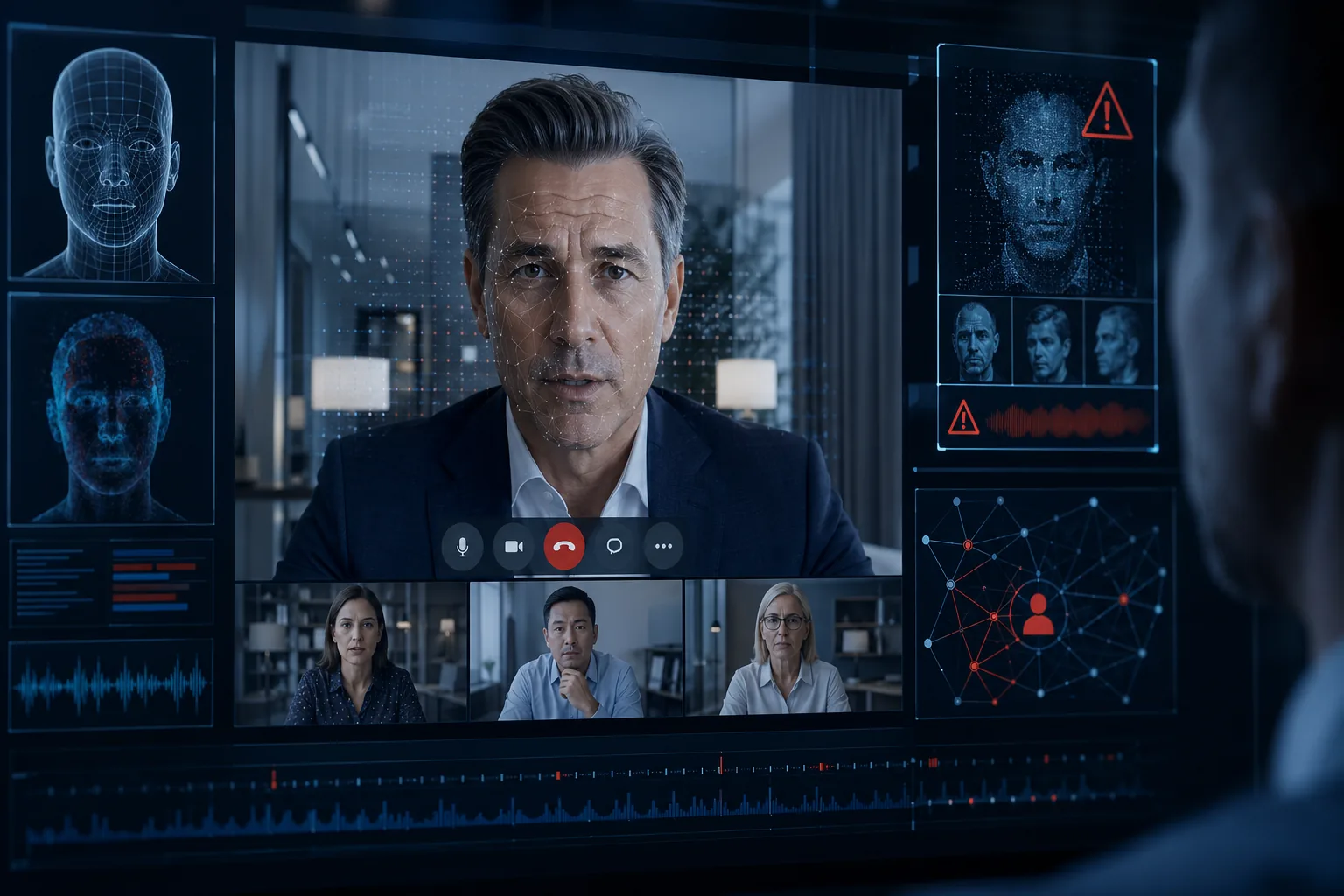
The video call seemed routine. The CFO recognized the CEO's face, the familiar office background, the slight head tilt during thoughtful moments. When the "CEO" authorized a $25 million transfer to finalize an urgent acquisition, the CFO complied immediately. The voice was perfect. The facial expressions were perfect. The logic was flawless.
The CEO was never on that call.
In September 2026, international engineering firm Arup became the highest-profile victim of a new breed of cyberattack: agentic AI-powered deepfake fraud. Unlike traditional deepfake scams that rely on human operators, this attack leveraged autonomous AI agents that could adapt in real-time, respond to unexpected questions, and maintain the deception for the entire duration of a 45-minute video conference. The result was a $25 million loss that has sent shockwaves through the cybersecurity community.
Welcome to the era where AI doesn't just create synthetic media - it weaponizes it at machine speed, with machine patience, and machine persistence. And according to recent research from Dark Reading, 48% of security professionals now believe agentic AI will represent the top attack vector by the end of 2026.
The Evolution from Static Deepfakes to Agentic AI Fraud
Understanding the Attack Progression
Deepfake technology has evolved through distinct phases, each exponentially more dangerous than the last:
Phase 1: Audio Cloning (2020-2023)
- Required 5-10 minutes of source audio
- Limited to pre-recorded messages
- Human operator needed for real-time interaction
- Detection relied on audio artifacts and unnatural pauses
Phase 2: Real-Time Video Synthesis (2024-2025)
- Reduced source requirements to 30-60 seconds
- Enabled live video call impersonation
- Still required human puppeteers behind the scenes
- Detection focused on visual inconsistencies
Phase 3: Agentic AI Integration (2026-Present)
- Autonomous AI agents control synthetic personas
- Real-time adaptation to conversation flow
- Multi-turn reasoning and context retention
- Self-directed attack execution without human intervention
📊 Key Stat: According to Kiteworks' State of AI Cybersecurity 2026 report, 73% of organizations already feel the impact of AI-powered threats, with agentic AI attacks growing 340% year-over-year.
How Agentic AI Transforms Deepfake Attacks
Traditional deepfake fraud operated like a puppet show - convincing, but limited by the skill of the human operator. Agentic AI removes that constraint entirely:
Autonomous Conversation Management
- AI agents maintain context across multi-turn conversations
- Natural handling of interruptions, questions, and objections
- Emotional adaptation based on victim responses
- Persistence through extended interactions (30+ minutes)
Intelligent Target Research
- Automated OSINT gathering from social media, corporate sites, and data breaches
- Relationship mapping to identify optimal impersonation targets
- Communication pattern analysis to match speaking styles
- Timing optimization based on target availability and stress levels
Adaptive Deception
- Real-time strategy adjustment when encountering resistance
- Fallback narratives when primary stories fail
- Exploitation of organizational pressure points and workflows
- Learning from failed attempts to improve future attacks
💡 Pro Tip: The most sophisticated agentic AI attacks now include "uncertainty modeling" - the AI intentionally introduces minor hesitations, requests clarification, or admits minor knowledge gaps to appear more human and build trust.
Anatomy of the Arup Attack: A Case Study in Agentic AI Fraud
The Target Selection
Arup, a global engineering consultancy with 18,000+ employees across 40 countries, presented an ideal target for several reasons:
- Complex Organizational Structure: Multiple regional offices created natural communication gaps
- High-Value Transactions: Infrastructure projects routinely involve multi-million dollar transfers
- Global Operations: Time zone differences made out-of-band verification difficult
- Public Executive Presence: CEO and CFO appeared regularly in media, providing training data
The Attack Chain
Reconnaissance Phase (Days 1-14)
The agentic AI system conducted automated reconnaissance:
- Scraped earnings calls, interviews, and presentations for voice/video samples
- Analyzed LinkedIn networks to map reporting relationships
- Monitored corporate communications for acquisition rumors
- Identified the CFO's communication patterns and decision-making style
Pre-Texting Phase (Days 10-14)
- Compromised email accounts sent preparatory messages about "confidential M&A activity"
- Established legitimacy through references to real business developments
- Created urgency around a fabricated acquisition deadline
- Tested response patterns to unusual requests
The Agentic AI Call (Day 14)
The 45-minute video call represented the culmination of agentic AI capabilities:
- Real-time video synthesis matched the CEO's appearance exactly
- Voice cloning captured accent, cadence, and speech patterns
- Conversational AI handled questions about deal specifics, financial terms, and strategic rationale
- Emotional intelligence projected appropriate urgency without appearing desperate
When the CFO asked about a specific project code, the AI agent accessed pre-compiled research and provided a plausible answer. When the CFO expressed concern about the transfer amount, the AI adapted its persuasion strategy, emphasizing board-level approval and competitive pressure.
⚠️ Common Mistake: Many organizations still believe deepfake detection relies on spotting visual glitches. Modern agentic AI attacks have moved beyond these telltale signs - the synthetic media is nearly flawless, and detection must focus on behavioral verification instead.
The $25 Million Transfer
The fraudulent transfer succeeded because the agentic AI system exploited multiple trust mechanisms simultaneously:
- Visual Verification: The CFO "saw" the CEO
- Auditory Confirmation: The voice matched perfectly
- Contextual Knowledge: The AI referenced real business activities
- Authority Pressure: The "CEO" emphasized board expectations
- Time Urgency: A fabricated deadline prevented careful verification
By the time the real CEO was contacted, the funds had moved through three jurisdictions and were unrecoverable.
The Technical Architecture of Agentic AI Fraud Systems
Core Components
Modern agentic AI fraud platforms combine several technologies into integrated attack systems:
1. Synthetic Media Generation Pipeline
- Diffusion models for high-fidelity video synthesis
- Neural voice cloning with emotional control
- Real-time rendering optimized for video conferencing
- Background and environment generation
2. Conversational Intelligence Engine
- Large language models fine-tuned for social engineering
- Multi-turn dialogue management with context retention
- Personality modeling based on target research
- Real-time speech-to-text and text-to-speech integration
3. Autonomous Decision Framework
- Goal-oriented planning for attack progression
- Contingency handling for unexpected situations
- Emotional state modeling of targets
- Self-monitoring to avoid detection triggers
4. Target Intelligence System
- Automated OSINT collection and analysis
- Communication pattern extraction
- Relationship network mapping
- Optimal timing prediction
The Machine Speed Advantage
Agentic AI attacks operate at a scale and speed impossible for human attackers:
| Capability | Human Attackers | Agentic AI Systems |
|---|---|---|
| Targets researched per day | 5-10 | 1,000+ |
| Calls conducted simultaneously | 1 | 50+ |
| Conversation duration | 10-15 minutes | Unlimited |
| Adaptation speed | Minutes | Milliseconds |
| Geographic reach | Single region | Global |
| Cost per attack | $5,000-$50,000 | $50-$500 |
📊 Key Stat: According to IBM's X-Force Threat Intelligence Index 2026, adversaries are using AI to accelerate the speed, scale, and sophistication of attacks, with the average time from initial access to data exfiltration dropping to under 24 hours for AI-enabled campaigns.
%22%2F%3E%0A%20%20%3Ccircle%20cx%3D%221270%22%20cy%3D%22180%22%20r%3D%22210%22%20fill%3D%22rgba(123%2C%20215%2C%20255%2C%200.18)%22%2F%3E%0A%20%20%3Ccircle%20cx%3D%22310%22%20cy%3D%22710%22%20r%3D%22250%22%20fill%3D%22rgba(52%2C%20211%2C%20153%2C%200.10)%22%2F%3E%0A%20%20%3Cpath%20d%3D%22M160%20708C340%20574%20498%20531%20653%20566C828%20605%20941%20504%201086%20418C1191%20355%201308%20317%201440%20332%22%20stroke%3D%22%237bd7ff%22%20stroke-width%3D%2210%22%20stroke-linecap%3D%22round%22%20opacity%3D%220.85%22%2F%3E%0A%20%20%3Cpath%20d%3D%22M160%20640H1440%22%20stroke%3D%22rgba(255%2C255%2C255%2C0.08)%22%20stroke-width%3D%222%22%2F%3E%0A%20%20%3Cpath%20d%3D%22M160%20298H1440%22%20stroke%3D%22rgba(255%2C255%2C255%2C0.08)%22%20stroke-width%3D%222%22%2F%3E%0A%20%20%3Crect%20x%3D%22160%22%20y%3D%22142%22%20width%3D%22174%22%20height%3D%2236%22%20rx%3D%2218%22%20fill%3D%22rgba(123%2C%20215%2C%20255%2C%200.18)%22%20stroke%3D%22%237bd7ff%22%2F%3E%0A%20%20%3Ctext%20x%3D%22247%22%20y%3D%22166%22%20text-anchor%3D%22middle%22%20fill%3D%22%23D9F4FF%22%20font-size%3D%2218%22%20font-family%3D%22Arial%2C%20Helvetica%2C%20sans-serif%22%20letter-spacing%3D%222%22%3EAI%20SECURITY%3C%2Ftext%3E%0A%20%20%3Ctext%20x%3D%22160%22%20y%3D%22392%22%20fill%3D%22%23F7FBFF%22%20font-size%3D%2266%22%20font-weight%3D%22700%22%20font-family%3D%22Arial%2C%20Helvetica%2C%20sans-serif%22%3EWhy%20Traditional%20Defenses%20Are%3C%2Ftext%3E%0A%20%20%3Ctext%20x%3D%22160%22%20y%3D%22470%22%20fill%3D%22%23F7FBFF%22%20font-size%3D%2266%22%20font-weight%3D%22700%22%20font-family%3D%22Arial%2C%20Helvetica%2C%20sans-serif%22%3EFailing%3C%2Ftext%3E%0A%20%20%3Ctext%20x%3D%22160%22%20y%3D%22554%22%20fill%3D%22%23A8B8C8%22%20font-size%3D%2228%22%20font-family%3D%22Arial%2C%20Helvetica%2C%20sans-serif%22%3EThe%20%2425%20Million%20Agentic%20AI%20Deepfake%20Fraud%3A%3C%2Ftext%3E%0A%20%20%3Crect%20x%3D%221080%22%20y%3D%22420%22%20width%3D%22274%22%20height%3D%22182%22%20rx%3D%2222%22%20fill%3D%22%230E2231%22%20stroke%3D%22rgba(255%2C255%2C255%2C0.10)%22%2F%3E%0A%20%20%3Crect%20x%3D%221120%22%20y%3D%22458%22%20width%3D%22112%22%20height%3D%2218%22%20rx%3D%229%22%20fill%3D%22%237bd7ff%22%20opacity%3D%220.9%22%2F%3E%0A%20%20%3Crect%20x%3D%221120%22%20y%3D%22498%22%20width%3D%22180%22%20height%3D%2212%22%20rx%3D%226%22%20fill%3D%22rgba(255%2C255%2C255%2C0.2)%22%2F%3E%0A%20%20%3Crect%20x%3D%221120%22%20y%3D%22526%22%20width%3D%22146%22%20height%3D%2212%22%20rx%3D%226%22%20fill%3D%22rgba(255%2C255%2C255%2C0.14)%22%2F%3E%0A%20%20%3Crect%20x%3D%221120%22%20y%3D%22554%22%20width%3D%2288%22%20height%3D%2212%22%20rx%3D%226%22%20fill%3D%22rgba(255%2C255%2C255%2C0.12)%22%2F%3E%0A%20%20%3Ccircle%20cx%3D%221340%22%20cy%3D%22522%22%20r%3D%2244%22%20fill%3D%22rgba(123%2C%20215%2C%20255%2C%200.18)%22%20stroke%3D%22%237bd7ff%22%2F%3E%0A%20%20%3Cpath%20d%3D%22M1322%20522L1336%20536L1360%20506%22%20stroke%3D%22%237bd7ff%22%20stroke-width%3D%228%22%20stroke-linecap%3D%22round%22%20stroke-linejoin%3D%22round%22%2F%3E%0A%20%20%3Ctext%20x%3D%22160%22%20y%3D%22748%22%20fill%3D%22%237BD7FF%22%20font-size%3D%2222%22%20font-family%3D%22Arial%2C%20Helvetica%2C%20sans-serif%22%20letter-spacing%3D%223%22%3EHEXON%20%2F%2F%20SUPPORTING%20VISUAL%3C%2Ftext%3E%0A%3C%2Fsvg%3E)
Why Traditional Defenses Are Failing
The Verification Gap
Most enterprise security assumes that seeing and hearing someone provides reliable identity verification. Agentic AI obliterates that assumption:
Biometric Systems: Voice and facial recognition trained on "real" vs. "fake" distinctions fail against generative AI that doesn't use traditional deepfake techniques.
Knowledge-Based Authentication: AI systems can access and synthesize information from data breaches, social media, and corporate disclosures to answer "secret" questions.
Behavioral Biometrics: While promising, current implementations struggle to distinguish between natural human variation and AI-generated behavior patterns.
The Process Exploitation Problem
Agentic AI doesn't just fake identities - it understands and exploits organizational processes:
Approval Workflows: AI systems learn who can approve what, then impersonate the right people at the right times.
Escalation Paths: When encountering resistance, AI knows exactly who to "escalate" to and how to frame the request.
Urgency Exploitation: By creating artificial time pressure, AI prevents the careful verification that would expose the fraud.
🔑 Key Takeaway: The Arup attack succeeded not because of technical vulnerabilities, but because the agentic AI perfectly simulated the human elements of trust: authority, urgency, and familiarity. Technical defenses must be paired with process changes that assume synthetic identity compromise.
Enterprise Defense Framework: Countering Agentic AI Fraud
Layer 1: Zero-Trust Identity Verification
Multi-Channel Confirmation Protocols
Every high-risk action requires verification through independent channels:
- Video calls must be initiated by known parties, not joined via links
- Financial approvals require callback to pre-registered phone numbers
- Sensitive requests need confirmation through secondary systems (Slack, email)
- Out-of-band verification using codes exchanged through secure channels
Challenge-Response Authentication
Implement active verification during video calls:
- Request specific gestures or movements ("touch your left ear")
- Ask questions about recent private conversations
- Use shared secrets established through secure channels
- Implement random code words changed daily
Biometric Liveness Detection
Deploy advanced detection systems:
- 3D depth analysis to detect flat synthetic imagery
- Blood flow and micro-expression analysis
- Eye movement pattern verification
- Skin texture and pore-level detail examination
Layer 2: Process Hardening
Mandatory Cooling-Off Periods
- All transfers over $10,000 require 24-hour delay
- Urgent requests trigger automatic escalation to security team
- Weekend and holiday transactions need additional approval
- New recipient accounts require 7-day waiting period
Multi-Party Authorization
- No single individual can authorize high-value transactions
- Approvers must be from different reporting chains
- Geographic distribution requirements for signatories
- Automatic rotation of approval responsibilities
Communication Channel Enforcement
- Establish and publish official communication channels
- Train employees to verify unexpected requests through known numbers
- Implement email signing and encryption for sensitive communications
- Monitor for domain spoofing and lookalike addresses
Layer 3: AI-Powered Detection
Real-Time Deepfake Detection
Deploy AI systems to analyze video calls:
- Frame-by-frame analysis for synthetic artifacts
- Audio waveform analysis for cloning detection
- Behavioral pattern matching against baseline profiles
- Cross-reference with known attack signatures
Communication Anomaly Detection
Monitor for signs of social engineering:
- Unusual urgency patterns in requests
- Communication outside normal hours or channels
- Requests that bypass standard approval processes
- Language patterns inconsistent with known communication styles
Network Traffic Analysis
Detect command-and-control communications:
- Identify connections to known AI-as-a-service platforms
- Monitor for data exfiltration to suspicious destinations
- Detect automated reconnaissance activities
- Alert on credential testing and brute-force attempts
Layer 4: Organizational Resilience
Security Culture Transformation
Build organizations where verification is valued:
- Executive modeling of verification behaviors
- Recognition and rewards for catching fraud attempts
- Regular simulations and red team exercises
- Psychological safety for questioning authority
Continuous Training Programs
Keep employees current on evolving threats:
- Monthly briefings on new attack techniques
- Hands-on deepfake detection training
- Scenario-based response exercises
- Cross-functional security awareness campaigns
Incident Response Preparation
Prepare for when defenses fail:
- Pre-established relationships with law enforcement
- Rapid fund freezing procedures with financial institutions
- Forensic preservation protocols for synthetic media
- Communication templates for breach disclosure
The Regulatory Landscape: Compliance Requirements for 2026
Emerging Standards
Governments and industry bodies are racing to address agentic AI fraud:
EU AI Act (Effective August 2026)
- Mandatory labeling of AI-generated content
- Transparency requirements for synthetic media
- Penalties for malicious use of AI in fraud
- Due diligence requirements for high-risk AI applications
US DEEPFAKES Accountability Act
- Criminal penalties for malicious synthetic media
- Civil liability for platforms enabling fraud
- Mandatory reporting of deepfake-enabled crimes
- Research funding for detection technologies
Financial Services Guidance
- Enhanced authentication requirements for wire transfers
- Mandatory verification protocols for high-value transactions
- Cyber insurance requirements covering social engineering
- Regular penetration testing including synthetic identity attacks
Compliance Implementation
Organizations should prepare for regulatory requirements:
Documentation Requirements:
- Maintain records of verification procedures
- Document training completion for all employees
- Preserve evidence of synthetic media attacks
- Report incidents to relevant authorities
Technical Standards:
- Implement NIST-recommended authentication frameworks
- Deploy FIDO2 hardware keys for sensitive operations
- Use C2PA content provenance standards
- Maintain SOC 2 Type II compliance for AI systems
%22%2F%3E%0A%20%20%3Ccircle%20cx%3D%221270%22%20cy%3D%22180%22%20r%3D%22210%22%20fill%3D%22rgba(167%2C%20139%2C%20250%2C%200.18)%22%2F%3E%0A%20%20%3Ccircle%20cx%3D%22310%22%20cy%3D%22710%22%20r%3D%22250%22%20fill%3D%22rgba(52%2C%20211%2C%20153%2C%200.10)%22%2F%3E%0A%20%20%3Cpath%20d%3D%22M160%20708C340%20574%20498%20531%20653%20566C828%20605%20941%20504%201086%20418C1191%20355%201308%20317%201440%20332%22%20stroke%3D%22%23a78bfa%22%20stroke-width%3D%2210%22%20stroke-linecap%3D%22round%22%20opacity%3D%220.85%22%2F%3E%0A%20%20%3Cpath%20d%3D%22M160%20640H1440%22%20stroke%3D%22rgba(255%2C255%2C255%2C0.08)%22%20stroke-width%3D%222%22%2F%3E%0A%20%20%3Cpath%20d%3D%22M160%20298H1440%22%20stroke%3D%22rgba(255%2C255%2C255%2C0.08)%22%20stroke-width%3D%222%22%2F%3E%0A%20%20%3Crect%20x%3D%22160%22%20y%3D%22142%22%20width%3D%22174%22%20height%3D%2236%22%20rx%3D%2218%22%20fill%3D%22rgba(167%2C%20139%2C%20250%2C%200.18)%22%20stroke%3D%22%23a78bfa%22%2F%3E%0A%20%20%3Ctext%20x%3D%22247%22%20y%3D%22166%22%20text-anchor%3D%22middle%22%20fill%3D%22%23D9F4FF%22%20font-size%3D%2218%22%20font-family%3D%22Arial%2C%20Helvetica%2C%20sans-serif%22%20letter-spacing%3D%222%22%3EAI%20SECURITY%3C%2Ftext%3E%0A%20%20%3Ctext%20x%3D%22160%22%20y%3D%22392%22%20fill%3D%22%23F7FBFF%22%20font-size%3D%2266%22%20font-weight%3D%22700%22%20font-family%3D%22Arial%2C%20Helvetica%2C%20sans-serif%22%3EThe%20Future%20of%20Agentic%20AI%3C%2Ftext%3E%0A%20%20%3Ctext%20x%3D%22160%22%20y%3D%22470%22%20fill%3D%22%23F7FBFF%22%20font-size%3D%2266%22%20font-weight%3D%22700%22%20font-family%3D%22Arial%2C%20Helvetica%2C%20sans-serif%22%3EFraud%3A%20Predictions%20for%3C%2Ftext%3E%0A%20%20%3Ctext%20x%3D%22160%22%20y%3D%22554%22%20fill%3D%22%23A8B8C8%22%20font-size%3D%2228%22%20font-family%3D%22Arial%2C%20Helvetica%2C%20sans-serif%22%3EThe%20%2425%20Million%20Agentic%20AI%20Deepfake%20Fraud%3A%3C%2Ftext%3E%0A%20%20%3Crect%20x%3D%221080%22%20y%3D%22420%22%20width%3D%22274%22%20height%3D%22182%22%20rx%3D%2222%22%20fill%3D%22%230E2231%22%20stroke%3D%22rgba(255%2C255%2C255%2C0.10)%22%2F%3E%0A%20%20%3Crect%20x%3D%221120%22%20y%3D%22458%22%20width%3D%22112%22%20height%3D%2218%22%20rx%3D%229%22%20fill%3D%22%23a78bfa%22%20opacity%3D%220.9%22%2F%3E%0A%20%20%3Crect%20x%3D%221120%22%20y%3D%22498%22%20width%3D%22180%22%20height%3D%2212%22%20rx%3D%226%22%20fill%3D%22rgba(255%2C255%2C255%2C0.2)%22%2F%3E%0A%20%20%3Crect%20x%3D%221120%22%20y%3D%22526%22%20width%3D%22146%22%20height%3D%2212%22%20rx%3D%226%22%20fill%3D%22rgba(255%2C255%2C255%2C0.14)%22%2F%3E%0A%20%20%3Crect%20x%3D%221120%22%20y%3D%22554%22%20width%3D%2288%22%20height%3D%2212%22%20rx%3D%226%22%20fill%3D%22rgba(255%2C255%2C255%2C0.12)%22%2F%3E%0A%20%20%3Ccircle%20cx%3D%221340%22%20cy%3D%22522%22%20r%3D%2244%22%20fill%3D%22rgba(167%2C%20139%2C%20250%2C%200.18)%22%20stroke%3D%22%23a78bfa%22%2F%3E%0A%20%20%3Cpath%20d%3D%22M1322%20522L1336%20536L1360%20506%22%20stroke%3D%22%23a78bfa%22%20stroke-width%3D%228%22%20stroke-linecap%3D%22round%22%20stroke-linejoin%3D%22round%22%2F%3E%0A%20%20%3Ctext%20x%3D%22160%22%20y%3D%22748%22%20fill%3D%22%237BD7FF%22%20font-size%3D%2222%22%20font-family%3D%22Arial%2C%20Helvetica%2C%20sans-serif%22%20letter-spacing%3D%223%22%3EHEXON%20%2F%2F%20SUPPORTING%20VISUAL%3C%2Ftext%3E%0A%3C%2Fsvg%3E)
The Future of Agentic AI Fraud: Predictions for 2026-2027
Attack Evolution Trajectory
Based on current trends, expect these developments:
Q2-Q3 2026: Multi-Agent Coordination
- AI systems will deploy multiple synthetic personas simultaneously
- Fake "board meetings" with entirely synthetic participants
- Coordinated attacks across multiple communication channels
- AI agents that can pass Turing-test-level verification
Q4 2026: Physical World Integration
- Synthetic identities that can pass in-person verification
- AI-generated documentation indistinguishable from authentic
- Integration with stolen biometric data for enhanced realism
- Cross-platform persistence of synthetic personas
2027: Autonomous Attack Campaigns
- AI systems that identify targets, plan attacks, and execute without human involvement
- Self-improving attack strategies based on success/failure analysis
- Global coordination of attacks across multiple organizations
- Real-time adaptation to new defensive measures
Defensive Technology Horizon
Blockchain-Based Identity Verification
- Decentralized identity systems resistant to synthetic forgery
- Cryptographic attestation of human presence
- Immutable audit trails for high-risk transactions
- Cross-organizational identity verification networks
Quantum-Resistant Authentication
- Post-quantum cryptographic signatures for identity verification
- Hardware-based secure enclaves for biometric processing
- Quantum key distribution for high-security communications
- Physics-based randomness for challenge-response systems
Collective Defense Networks
- Real-time sharing of attack patterns across organizations
- Federated learning for detection model improvement
- Industry-wide blocklists of synthetic identities
- Coordinated response to large-scale campaigns
FAQ: Agentic AI Deepfake Fraud
How is agentic AI deepfake fraud different from traditional deepfake attacks?
Traditional deepfakes require human operators to control synthetic media in real-time. Agentic AI systems operate autonomously, using AI agents that can maintain conversations, adapt to unexpected questions, and execute complex social engineering campaigns without human intervention. This enables attacks at machine speed, scale, and persistence that human attackers cannot match.
What made the Arup attack so successful?
The Arup attack succeeded because it combined perfect synthetic media with intelligent conversation management. The AI system conducted extensive reconnaissance, understood organizational processes, and adapted its approach in real-time during a 45-minute video call. The CFO had no reason to suspect deception because the "CEO" displayed appropriate knowledge, emotion, and authority.
Can current deepfake detection tools identify agentic AI attacks?
Current detection tools provide partial defense but are not sufficient alone. Many focus on visual artifacts that modern generative AI has eliminated. Effective detection requires behavioral analysis, multi-channel verification, and process controls that assume synthetic identity compromise. Organizations should deploy layered defenses rather than relying on any single detection technology.
What is the most effective defense against agentic AI fraud?
The most effective defense combines zero-trust identity verification with process hardening. Every high-risk action should require verification through independent channels using pre-established secure communication paths. Multi-party authorization, mandatory cooling-off periods, and a security culture that values verification over convenience provide the strongest protection.
How quickly are organizations implementing these defenses?
Adoption varies significantly by industry and organization size. Financial services and technology companies are moving fastest, with many implementing multi-channel verification in Q1-Q2 2026. Smaller organizations and less regulated industries are slower to adapt, creating a target-rich environment for attackers. The Arup attack is accelerating awareness and investment in defenses.
What should I do if I suspect an agentic AI attack?
Immediately terminate the communication and do not comply with any requests. Document everything including recordings if legally permitted. Contact your security team and law enforcement. Alert others in your organization about the attempt. Review and tighten verification procedures. If any unauthorized transactions occurred, contact your financial institutions immediately to attempt fund freezing.
Conclusion: Trust Nothing, Verify Everything
The $25 million Arup attack marks a watershed moment in cybersecurity. It demonstrates that agentic AI has moved from theoretical concern to operational reality, and that traditional trust mechanisms based on sight and sound are no longer reliable.
Organizations that survive this transition will be those that rebuild their security foundations on zero-trust principles. Not paranoia, but prudent verification. Not bureaucracy, but resilient processes. When a CEO appears on a video call requesting an urgent transfer, the proper response isn't immediate compliance - it's "Let me verify this through our standard protocol."
The technology to create perfect synthetic identities is here. The technology to detect them is improving but imperfect. In this asymmetrical environment, the ultimate defense is organizational: build cultures where verification is valued, where employees feel empowered to question authority when appropriate, and where trust is earned through process rather than assumed through appearance.
Your CEO's face can be synthesized in seconds. Your organization's response culture takes years to build. Start building today.
That video call might not show who you think it shows. Verify everything.
Stay ahead of emerging AI threats. Subscribe to the Hexon.bot newsletter for weekly cybersecurity insights on agentic AI, deepfake fraud, and enterprise defense strategies.
Related Articles: