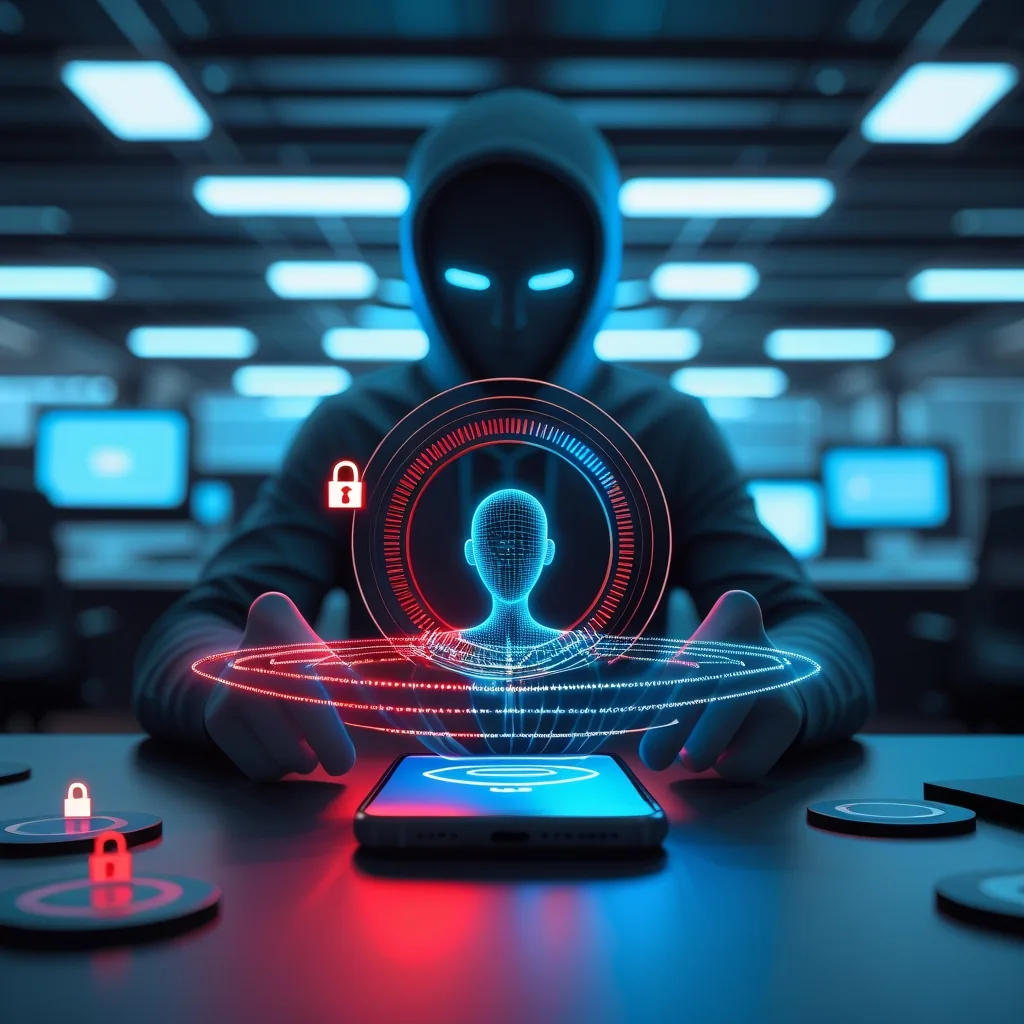
The CFO's phone rang at 4:47 PM on a Friday. The caller ID showed the CEO's mobile number. The voice was perfect—familiar cadence, slight hoarseness from the morning's board presentation, even the characteristic pause before important statements.
"I need you to process an urgent wire transfer immediately," the voice said. "We're finalizing the acquisition we discussed. The window closes in 30 minutes. I can't do this myself—I'm with the lawyers and can't step out."
The CFO hesitated. Something felt wrong. But the voice was unmistakable. The details matched the acquisition rumors. And when the CEO gets urgent, you don't question it.
The $847,000 transfer went through. The real CEO was on a flight to Singapore. He hadn't made that call.
Welcome to the AI vishing crisis of 2026—where voice phishing attacks surged 442% year-over-year, AI voice cloning has crossed the "indistinguishable threshold," and your phone has become the most dangerous device in your enterprise.
The Shocking Scale of AI-Powered Vishing
By The Numbers: The Voice Phishing Explosion
The statistics paint a terrifying picture:
📊 Voice deepfakes rose 680% last year—a nearly seven-fold increase in synthetic voice attacks (Keepnet Labs)
📊 Generative AI fraud is projected to hit $40 billion by 2027 in the U.S. alone, climbing from $12.3 billion in 2023—a 32% compound annual growth rate (Deloitte Center for Financial Services)
📊 AI scams surged 1,210% in 2025, dramatically outpacing the 195% growth in traditional fraud (Vectra AI)
📊 Major retailers now report receiving over 1,000 AI-generated scam calls per day—a volume that makes manual detection impossible (Fortune)
📊 The average loss per successful vishing attack exceeds $312,000—triple the success rate of traditional business email compromise (FBI IC3)
💡 Key Insight: Vishing has evolved from a volume-based nuisance to a precision-targeted weapon. Attackers aren't calling randomly—they're researching your executives, cloning their voices, and striking when you're most vulnerable.
Why 2026 Is The Breaking Point
Voice cloning technology has reached an inflection point. What required Hollywood studios and specialized equipment in 2020 now runs on consumer laptops with web-based tools. The implications are profound:
Accessibility: Open-source voice cloning models require zero technical expertise
Quality: Modern synthesis passes the "turing test" for voice—even close family members can't distinguish cloned voices in blind tests
Speed: A voice can be cloned from 30 seconds of audio in under 10 minutes
Cost: The entire attack infrastructure costs less than $100 to deploy
⚠️ High-Risk Scenario: Your executives' voices are already public. Earnings calls, conference presentations, podcast interviews, and LinkedIn videos provide more than enough audio for sophisticated cloning. If your CEO has spoken publicly in the last five years, attackers have the raw material.
How AI Vishing Attacks Work
The Five Phases of a Modern Vishing Campaign
Phase 1: Target Reconnaissance (Days 1-7)
Attackers begin with extensive research:
- Map organizational hierarchy using LinkedIn, corporate websites, and SEC filings
- Identify finance personnel with wire transfer authority
- Harvest audio samples from public sources (YouTube, podcasts, earnings calls)
- Study communication patterns, approval workflows, and internal terminology
- Identify time-sensitive business activities (M&A, quarter-end, vendor payments)
Phase 2: Voice Model Development (Hours 1-3)
With harvested audio, attackers create synthetic voices:
- Upload audio samples to voice cloning platforms (ElevenLabs, Play.ht, open-source alternatives)
- Train models on vocal characteristics: pitch, cadence, speech patterns, filler words
- Test synthesized speech for authenticity and emotional range
- Fine-tune for specific scenarios: urgency, authority, friendliness
Phase 3: Pre-Texting and Legitimacy Building (Days 3-10)
Before the vishing call, attackers establish credibility:
- Send preparatory emails about upcoming transactions (often from compromised accounts)
- Create fake documentation: contracts, invoices, acquisition agreements
- Register domains similar to legitimate vendors or partners
- Build urgency through staged communications
Phase 4: The Attack Call (The Critical Moment)
The vishing call deploys multiple psychological techniques:
- Caller ID spoofing displays the executive's actual number
- Voice synthesis delivers cloned speech in real-time or pre-recorded segments
- Urgency creation exploits the recipient's desire to be helpful and responsive
- Authority exploitation triggers compliance through perceived hierarchy
- Isolation tactics prevent verification: "Don't call back—I'm in a meeting"
Phase 5: Monetization and Evasion (Minutes 1-60)
Once the transfer is authorized:
- Funds move through mule accounts and cryptocurrency exchanges
- Money laundering obfuscates the trail within hours
- Attackers disappear, often leaving no digital fingerprints
- Victims discover the fraud too late for recovery
The Technology Behind the Threat
Voice Cloning Architecture
Modern voice synthesis uses generative AI models trained on audio data:
- Feature Extraction: AI analyzes spectral features, pitch contours, and phoneme patterns
- Speaker Encoding: Creates a mathematical representation of the target's voice
- Synthesis Engine: Generates speech using the encoded voice characteristics
- Neural Vocoder: Converts spectrograms into natural-sounding audio waveforms
- Emotion Modeling: Adjusts tone, stress, and emphasis for desired emotional effect
Real-Time Voice Conversion
Advanced attackers use real-time voice changing during live calls:
- The attacker speaks normally
- AI processes the audio and transforms it to match the target voice
- The synthesized voice is transmitted to the victim with minimal latency
- The attacker can respond dynamically to questions and objections
This technology enables interactive attacks that adapt in real-time—far more convincing than pre-recorded messages.
Real-World Vishing Catastrophes
Case Study 1: The Swiss Entrepreneur's Nightmare (January 2026)
A prominent Swiss entrepreneur received a call from someone who sounded exactly like his longtime business partner of 15 years. The "partner" explained he needed several million Swiss francs transferred immediately to secure a time-sensitive investment opportunity.
The voice was flawless—the familiar Swiss-German accent, the characteristic chuckle after making a point, even references to their shared history and inside jokes. The entrepreneur had spoken with this partner hundreds of times. He was certain it was him.
He authorized the transfer.
The real partner knew nothing about the call. The attackers had cloned his voice from podcast interviews and conference presentations. The stolen funds moved through multiple jurisdictions before discovery and were never recovered.
Lessons: Voice familiarity creates false confidence. Even decades-long business relationships can be impersonated with sufficient audio samples.
Case Study 2: The UK Energy Firm's €220,000 Loss (Late 2025)
A UK-based energy company lost €220,000 when a finance employee received a call from someone impersonating the company's CEO. The vishing attack demonstrated sophisticated targeting:
- Accent accuracy: The synthetic voice matched the CEO's regional dialect perfectly
- Knowledge verification: The caller referenced specific ongoing projects and internal initiatives
- Timing optimization: The call came during known busy periods when verification seemed burdensome
- Authority exploitation: The tone conveyed appropriate executive authority and urgency
The employee transferred funds to what appeared to be a legitimate supplier account. By the time the fraud was discovered—three hours later—the money had vanished into cryptocurrency wallets.
Lessons: Vishing attacks combine technical sophistication with psychological manipulation. Detection requires active verification, not passive trust.
Case Study 3: The Malaysian "Boss Scam" Wave (2025-2026)
Malaysia experienced a wave of AI-powered "Boss Scams" throughout 2025 and early 2026. Attackers used deepfake voices to impersonate executives and pressure employees into making urgent DuitNow transfers:
- Targeted employees in finance and accounting roles
- Used cloned voices of C-suite executives
- Created urgency around time-sensitive deals or emergencies
- Requested transfers to accounts controlled by the attackers
The scams succeeded because they exploited cultural norms of respect for authority and hesitation to question superiors. Victims later reported they "never considered" the call might be fake because the voice was so convincing.
Lessons: Organizational culture around authority and verification directly impacts vishing vulnerability. Employees need permission—and obligation—to verify unusual requests regardless of perceived rank.
%22%2F%3E%0A%20%20%3Ccircle%20cx%3D%221270%22%20cy%3D%22180%22%20r%3D%22210%22%20fill%3D%22rgba(123%2C%20215%2C%20255%2C%200.18)%22%2F%3E%0A%20%20%3Ccircle%20cx%3D%22310%22%20cy%3D%22710%22%20r%3D%22250%22%20fill%3D%22rgba(52%2C%20211%2C%20153%2C%200.10)%22%2F%3E%0A%20%20%3Cpath%20d%3D%22M160%20708C340%20574%20498%20531%20653%20566C828%20605%20941%20504%201086%20418C1191%20355%201308%20317%201440%20332%22%20stroke%3D%22%237bd7ff%22%20stroke-width%3D%2210%22%20stroke-linecap%3D%22round%22%20opacity%3D%220.85%22%2F%3E%0A%20%20%3Cpath%20d%3D%22M160%20640H1440%22%20stroke%3D%22rgba(255%2C255%2C255%2C0.08)%22%20stroke-width%3D%222%22%2F%3E%0A%20%20%3Cpath%20d%3D%22M160%20298H1440%22%20stroke%3D%22rgba(255%2C255%2C255%2C0.08)%22%20stroke-width%3D%222%22%2F%3E%0A%20%20%3Crect%20x%3D%22160%22%20y%3D%22142%22%20width%3D%22174%22%20height%3D%2236%22%20rx%3D%2218%22%20fill%3D%22rgba(123%2C%20215%2C%20255%2C%200.18)%22%20stroke%3D%22%237bd7ff%22%2F%3E%0A%20%20%3Ctext%20x%3D%22247%22%20y%3D%22166%22%20text-anchor%3D%22middle%22%20fill%3D%22%23D9F4FF%22%20font-size%3D%2218%22%20font-family%3D%22Arial%2C%20Helvetica%2C%20sans-serif%22%20letter-spacing%3D%222%22%3EAI%20SECURITY%3C%2Ftext%3E%0A%20%20%3Ctext%20x%3D%22160%22%20y%3D%22392%22%20fill%3D%22%23F7FBFF%22%20font-size%3D%2266%22%20font-weight%3D%22700%22%20font-family%3D%22Arial%2C%20Helvetica%2C%20sans-serif%22%3EWhy%20Traditional%20Defenses%3C%2Ftext%3E%0A%20%20%3Ctext%20x%3D%22160%22%20y%3D%22470%22%20fill%3D%22%23F7FBFF%22%20font-size%3D%2266%22%20font-weight%3D%22700%22%20font-family%3D%22Arial%2C%20Helvetica%2C%20sans-serif%22%3EFail%20Against%20AI%20Vishing%3C%2Ftext%3E%0A%20%20%3Ctext%20x%3D%22160%22%20y%3D%22554%22%20fill%3D%22%23A8B8C8%22%20font-size%3D%2228%22%20font-family%3D%22Arial%2C%20Helvetica%2C%20sans-serif%22%3EThe%20AI%20Vishing%20Crisis%3A%20How%20a%20442%25%20Surge%20in%3C%2Ftext%3E%0A%20%20%3Crect%20x%3D%221080%22%20y%3D%22420%22%20width%3D%22274%22%20height%3D%22182%22%20rx%3D%2222%22%20fill%3D%22%230E2231%22%20stroke%3D%22rgba(255%2C255%2C255%2C0.10)%22%2F%3E%0A%20%20%3Crect%20x%3D%221120%22%20y%3D%22458%22%20width%3D%22112%22%20height%3D%2218%22%20rx%3D%229%22%20fill%3D%22%237bd7ff%22%20opacity%3D%220.9%22%2F%3E%0A%20%20%3Crect%20x%3D%221120%22%20y%3D%22498%22%20width%3D%22180%22%20height%3D%2212%22%20rx%3D%226%22%20fill%3D%22rgba(255%2C255%2C255%2C0.2)%22%2F%3E%0A%20%20%3Crect%20x%3D%221120%22%20y%3D%22526%22%20width%3D%22146%22%20height%3D%2212%22%20rx%3D%226%22%20fill%3D%22rgba(255%2C255%2C255%2C0.14)%22%2F%3E%0A%20%20%3Crect%20x%3D%221120%22%20y%3D%22554%22%20width%3D%2288%22%20height%3D%2212%22%20rx%3D%226%22%20fill%3D%22rgba(255%2C255%2C255%2C0.12)%22%2F%3E%0A%20%20%3Ccircle%20cx%3D%221340%22%20cy%3D%22522%22%20r%3D%2244%22%20fill%3D%22rgba(123%2C%20215%2C%20255%2C%200.18)%22%20stroke%3D%22%237bd7ff%22%2F%3E%0A%20%20%3Cpath%20d%3D%22M1322%20522L1336%20536L1360%20506%22%20stroke%3D%22%237bd7ff%22%20stroke-width%3D%228%22%20stroke-linecap%3D%22round%22%20stroke-linejoin%3D%22round%22%2F%3E%0A%20%20%3Ctext%20x%3D%22160%22%20y%3D%22748%22%20fill%3D%22%237BD7FF%22%20font-size%3D%2222%22%20font-family%3D%22Arial%2C%20Helvetica%2C%20sans-serif%22%20letter-spacing%3D%223%22%3EHEXON%20%2F%2F%20SUPPORTING%20VISUAL%3C%2Ftext%3E%0A%3C%2Fsvg%3E)
Why Traditional Defenses Fail Against AI Vishing
The Caller ID Problem
Caller ID was never designed for security:
- Spoofing is trivial: Attackers can display any number they choose using VoIP services
- No authentication: Caller ID provides no cryptographic verification of origin
- Trust exploitation: People assume caller ID is accurate, creating false confidence
- Enterprise vulnerability: Internal phone systems often display extension numbers that can be spoofed
The Voice Authentication Failure
Voice biometrics—the technology designed to solve this problem—has limitations:
Traditional voice recognition analyzes speech patterns, but AI-generated voices can replicate:
- Pitch and tone characteristics
- Speech cadence and rhythm
- Pronunciation patterns
- Filler words and vocal mannerisms
Advanced detection systems look for synthetic artifacts:
- Unnatural spectral patterns
- Absence of breathing sounds
- Perfect consistency (human voices vary slightly)
- Missing environmental acoustics
However, as generation technology improves, detection becomes harder. The arms race favors attackers who can iterate quickly.
The Human Factor
Humans are psychologically vulnerable to vishing:
Authority Bias: We comply with perceived authority figures, especially under time pressure
Urgency Override: Time constraints short-circuit careful analysis and verification
Social Proof: References to known people, projects, or situations create false legitimacy
Reciprocity: Attackers create obligation by referencing favors or past interactions
Scarcity: Claims of limited-time opportunities trigger fear of missing out
Even security-aware employees struggle to maintain skepticism when the voice on the phone sounds exactly like their CEO and references real business activities.
Enterprise Defense Strategies: A Multi-Layer Framework
Layer 1: Technical Controls
Advanced Voice Authentication
Deploy next-generation voice biometrics that go beyond pattern matching:
- Liveness detection: Identifies synthesized speech through artifact analysis
- Behavioral biometrics: Analyzes conversation patterns, not just voice characteristics
- Multi-factor voice verification: Requires multiple voice samples across different sessions
- Continuous authentication: Monitors voice consistency throughout the call duration
Call Analysis and Detection
Implement AI-powered call screening:
- Real-time deepfake detection: Analyzes audio streams for synthetic indicators
- Anomaly detection: Flags calls from unusual numbers, times, or geographic locations
- Behavioral analysis: Identifies conversational patterns inconsistent with the purported caller
- Metadata verification: Cross-references call technical data with claimed origin
Communication Infrastructure
Harden your phone systems:
- STIR/SHAKEN protocols: Cryptographic caller ID authentication (where supported)
- Internal verification codes: Pre-arranged phrases that confirm caller identity
- Secure communication channels: Encrypted VoIP with endpoint verification
- Call recording and analysis: Record suspicious calls for forensic analysis
Layer 2: Process Controls and Verification Protocols
Mandatory Verification Workflows
No financial transaction over a defined threshold should proceed without:
- Out-of-band confirmation: Callback to a known number (not the one provided)
- Multi-party approval: No single person can authorize large transfers
- Documentation requirements: Signed authorization, not just verbal approval
- Cooling-off periods: Minimum delays for urgent requests
Verification Protocol Training
Employees must know exactly how to verify caller identity:
- Challenge questions: Ask for information only the real person would know
- Callback procedures: Hang up and call back on verified numbers
- Secondary confirmation: Contact the person through alternative channels (email, Slack)
- Escalation triggers: Clear criteria for when to involve security teams
Communication Norms and Policies
Establish and enforce organizational standards:
- Executive communication protocols: Define how executives make financial requests
- Urgent request policies: Establish that urgency never bypasses verification
- Vendor verification procedures: Confirm payment details through established channels
- Authority limits: Clear documentation of who can authorize what transactions
Layer 3: Security Awareness and Culture
Targeted Vishing Training
Employees need specific education on voice-based threats:
- Technology awareness: Understanding how voice cloning works and its capabilities
- Psychological manipulation: Recognizing urgency, authority, and isolation tactics
- Verification procedures: Step-by-step processes for confirming caller identity
- Case study analysis: Learning from real-world vishing incidents
Cultural Permission to Verify
Create organizational norms that support security:
- Leadership modeling: Executives explicitly encourage verification of their requests
- No-penalty verification: Employees never face consequences for double-checking
- Recognition programs: Celebrate employees who catch attempted fraud
- Regular simulations: Test vishing awareness with controlled exercises
Incident Response Preparation
Ensure rapid response when vishing occurs:
- Reporting mechanisms: Easy ways to report suspicious calls
- Response playbooks: Step-by-step procedures for suspected vishing
- Forensic preservation: Recording and documenting evidence
- Communication plans: Notifying stakeholders and law enforcement
Layer 4: Organizational and Strategic Measures
Vendor and Partner Security
Extend protection across your ecosystem:
- Security requirements: Contractual obligations for communication security
- Shared verification protocols: Coordinate verification procedures with key partners
- Information sharing: Real-time alerts about vishing attempts targeting your industry
- Joint training: Collaborative security awareness programs
Insurance and Risk Transfer
Financial protection against successful attacks:
- Social engineering coverage: Cyber insurance covering vishing losses
- Fraud protection services: Banking services that detect and prevent fraudulent transfers
- Recovery services: Professional assistance for fund recovery efforts
- Business continuity planning: Procedures for continuing operations after attacks
Regulatory and Legal Compliance
Meet evolving requirements:
- Documentation standards: Proper records for regulatory examinations
- Reporting obligations: Compliance with fraud reporting requirements
- Due diligence: Demonstrating reasonable security measures
- Legal preparedness: Pre-positioned legal resources for incident response
The Future of Vishing: Emerging Threats on the Horizon
Conversational AI-Enhanced Attacks
The next generation of vishing combines voice cloning with large language models:
- Dynamic conversation: AI generates responses in real-time based on victim reactions
- Knowledge integration: LLMs incorporate company research into natural conversations
- Emotional manipulation: AI adjusts tone and content based on perceived victim state
- Multi-turn attacks: Extended conversations that build trust over time
Imagine a vishing call that can answer questions, reference real projects, and adapt its approach based on your responses—indistinguishable from a real conversation because it is a real conversation, just with an AI on the other end.
Multi-Modal Vishing
Future attacks will combine voice with other channels:
- Simultaneous email confirmation: Fake emails arrive while the vishing call is in progress
- Video deepfake integration: Video calls with synthetic executives
- Social media validation: Fake posts or messages that confirm the vishing scenario
- Internal system compromise: Legitimate-looking documentation in compromised systems
These coordinated attacks create comprehensive false realities that are extremely difficult to penetrate.
Automated Vishing at Scale
AI enables industrial-scale vishing operations:
- Automated target selection: AI identifies high-value targets from data breaches
- Personalized scripts: LLMs generate customized attack scenarios for each target
- Voice cloning automation: Mass production of synthetic voices from public audio
- Response optimization: Machine learning improves success rates over time
The economics of vishing have changed. Where once attackers needed human labor for each call, AI enables automated attacks against thousands of targets simultaneously.
%22%2F%3E%0A%20%20%3Ccircle%20cx%3D%221270%22%20cy%3D%22180%22%20r%3D%22210%22%20fill%3D%22rgba(167%2C%20139%2C%20250%2C%200.18)%22%2F%3E%0A%20%20%3Ccircle%20cx%3D%22310%22%20cy%3D%22710%22%20r%3D%22250%22%20fill%3D%22rgba(52%2C%20211%2C%20153%2C%200.10)%22%2F%3E%0A%20%20%3Cpath%20d%3D%22M160%20708C340%20574%20498%20531%20653%20566C828%20605%20941%20504%201086%20418C1191%20355%201308%20317%201440%20332%22%20stroke%3D%22%23a78bfa%22%20stroke-width%3D%2210%22%20stroke-linecap%3D%22round%22%20opacity%3D%220.85%22%2F%3E%0A%20%20%3Cpath%20d%3D%22M160%20640H1440%22%20stroke%3D%22rgba(255%2C255%2C255%2C0.08)%22%20stroke-width%3D%222%22%2F%3E%0A%20%20%3Cpath%20d%3D%22M160%20298H1440%22%20stroke%3D%22rgba(255%2C255%2C255%2C0.08)%22%20stroke-width%3D%222%22%2F%3E%0A%20%20%3Crect%20x%3D%22160%22%20y%3D%22142%22%20width%3D%22174%22%20height%3D%2236%22%20rx%3D%2218%22%20fill%3D%22rgba(167%2C%20139%2C%20250%2C%200.18)%22%20stroke%3D%22%23a78bfa%22%2F%3E%0A%20%20%3Ctext%20x%3D%22247%22%20y%3D%22166%22%20text-anchor%3D%22middle%22%20fill%3D%22%23D9F4FF%22%20font-size%3D%2218%22%20font-family%3D%22Arial%2C%20Helvetica%2C%20sans-serif%22%20letter-spacing%3D%222%22%3EAI%20SECURITY%3C%2Ftext%3E%0A%20%20%3Ctext%20x%3D%22160%22%20y%3D%22392%22%20fill%3D%22%23F7FBFF%22%20font-size%3D%2266%22%20font-weight%3D%22700%22%20font-family%3D%22Arial%2C%20Helvetica%2C%20sans-serif%22%3EFAQ%3A%20AI%20Vishing%20Defense%3C%2Ftext%3E%0A%20%20%3Ctext%20x%3D%22160%22%20y%3D%22470%22%20fill%3D%22%23F7FBFF%22%20font-size%3D%2266%22%20font-weight%3D%22700%22%20font-family%3D%22Arial%2C%20Helvetica%2C%20sans-serif%22%3E%3C%2Ftext%3E%0A%20%20%3Ctext%20x%3D%22160%22%20y%3D%22554%22%20fill%3D%22%23A8B8C8%22%20font-size%3D%2228%22%20font-family%3D%22Arial%2C%20Helvetica%2C%20sans-serif%22%3EThe%20AI%20Vishing%20Crisis%3A%20How%20a%20442%25%20Surge%20in%3C%2Ftext%3E%0A%20%20%3Crect%20x%3D%221080%22%20y%3D%22420%22%20width%3D%22274%22%20height%3D%22182%22%20rx%3D%2222%22%20fill%3D%22%230E2231%22%20stroke%3D%22rgba(255%2C255%2C255%2C0.10)%22%2F%3E%0A%20%20%3Crect%20x%3D%221120%22%20y%3D%22458%22%20width%3D%22112%22%20height%3D%2218%22%20rx%3D%229%22%20fill%3D%22%23a78bfa%22%20opacity%3D%220.9%22%2F%3E%0A%20%20%3Crect%20x%3D%221120%22%20y%3D%22498%22%20width%3D%22180%22%20height%3D%2212%22%20rx%3D%226%22%20fill%3D%22rgba(255%2C255%2C255%2C0.2)%22%2F%3E%0A%20%20%3Crect%20x%3D%221120%22%20y%3D%22526%22%20width%3D%22146%22%20height%3D%2212%22%20rx%3D%226%22%20fill%3D%22rgba(255%2C255%2C255%2C0.14)%22%2F%3E%0A%20%20%3Crect%20x%3D%221120%22%20y%3D%22554%22%20width%3D%2288%22%20height%3D%2212%22%20rx%3D%226%22%20fill%3D%22rgba(255%2C255%2C255%2C0.12)%22%2F%3E%0A%20%20%3Ccircle%20cx%3D%221340%22%20cy%3D%22522%22%20r%3D%2244%22%20fill%3D%22rgba(167%2C%20139%2C%20250%2C%200.18)%22%20stroke%3D%22%23a78bfa%22%2F%3E%0A%20%20%3Cpath%20d%3D%22M1322%20522L1336%20536L1360%20506%22%20stroke%3D%22%23a78bfa%22%20stroke-width%3D%228%22%20stroke-linecap%3D%22round%22%20stroke-linejoin%3D%22round%22%2F%3E%0A%20%20%3Ctext%20x%3D%22160%22%20y%3D%22748%22%20fill%3D%22%237BD7FF%22%20font-size%3D%2222%22%20font-family%3D%22Arial%2C%20Helvetica%2C%20sans-serif%22%20letter-spacing%3D%223%22%3EHEXON%20%2F%2F%20SUPPORTING%20VISUAL%3C%2Ftext%3E%0A%3C%2Fsvg%3E)
FAQ: AI Vishing Defense
How much audio is needed to clone someone's voice?
Quality matters more than quantity. Modern voice cloning tools can create convincing replicas from just 30 seconds of clear audio. High-quality sources like studio recordings, earnings calls, or professional videos produce better results than phone calls or low-quality recordings. With 5-10 minutes of audio, attackers can achieve near-perfect voice cloning that captures emotional nuance, speech patterns, and distinctive vocal characteristics.
Can employees detect AI-generated voices?
Human detection of synthetic voices is unreliable. Research shows that even with training, people correctly identify AI-generated voices only 50-70% of the time—essentially guessing. Professional voice actors and audio engineers perform slightly better but still struggle with high-quality synthesis. Detection should never rely on human intuition; verification protocols are essential.
What's the difference between voice cloning and voice manipulation?
Voice cloning creates a complete voice model that can say anything the attacker types. Voice manipulation (real-time voice conversion) transforms the attacker's actual voice to sound like the target during live conversations. Voice manipulation enables interactive attacks where the attacker can respond dynamically to questions, making it particularly dangerous for sophisticated social engineering.
Are there technical solutions that can detect vishing calls?
Yes, several technical approaches exist:
- AI detection systems analyze audio for synthetic artifacts (85-95% accuracy)
- Voice biometrics with liveness detection can identify synthesized speech
- Behavioral analysis flags unusual conversation patterns
- Call metadata analysis identifies spoofed caller ID and suspicious routing
However, detection technology is engaged in an arms race with generation technology. Detection should be one layer of defense, not the sole protection.
How should employees verify suspicious calls?
Best practices for call verification:
- Hang up and call back on a known, verified number (not the one provided)
- Ask challenge questions that only the real person would know
- Use alternative communication (email, Slack, in-person) to confirm
- Delay urgent requests to enable proper verification
- Escalate to security teams when anything feels unusual
- Trust your instincts—if something feels wrong, verify
What should organizations do immediately after a vishing attack?
Immediate response steps:
- Preserve evidence: Record available call data, save voicemails, document details
- Report to financial institutions: Attempt to freeze or recall fraudulent transfers
- Notify law enforcement: File reports with FBI IC3 and local authorities
- Alert your security team: Initiate incident response procedures
- Communicate internally: Notify relevant personnel about the attack
- Contact cyber insurance: Begin claims process if coverage exists
- Review and strengthen: Update procedures based on lessons learned
Can voice authentication systems be fooled by AI?
Traditional voice authentication that relies on speech pattern matching can be fooled by sophisticated voice cloning. Next-generation systems incorporate liveness detection and behavioral analysis that are more resistant to AI attacks. However, no system is foolproof. Multi-factor authentication combining voice with other verification methods provides stronger protection.
How do attackers get audio samples for voice cloning?
Attackers harvest audio from public sources:
- Corporate earnings calls and investor presentations
- YouTube videos, podcast interviews, and conference recordings
- Social media posts with video content
- Voicemail greetings and phone system recordings
- Public speaking engagements and media appearances
- Professional networking sites with video profiles
Executives and public-facing employees are particularly vulnerable because their voices are widely available.
What's the difference between vishing and traditional phone scams?
Traditional phone scams use generic scripts, obvious accents, and crude social engineering. They rely on volume—calling thousands of people hoping to find vulnerable victims. AI vishing is targeted, personalized, and technically sophisticated. Attackers research specific individuals, clone specific voices, and create convincing scenarios based on real business activities. The success rate for AI vishing is significantly higher—37% compared to 2-5% for traditional scams.
How quickly do attackers need to act after a successful vishing call?
Speed is critical for attackers. Funds must be moved through the banking system before victims realize fraud has occurred:
- 0-30 minutes: Initial transfer to mule accounts
- 30 minutes-2 hours: Movement through multiple intermediary accounts
- 2-6 hours: Conversion to cryptocurrency or cash withdrawal
- 6+ hours: Funds become effectively irrecoverable
This timeline means verification protocols must create delays that push decisions beyond the window of opportunity for attackers.
Conclusion: Rebuilding Trust in the Voice Channel
The AI vishing crisis represents a fundamental shift in enterprise communication security. For decades, voice calls provided a trusted channel for urgent communications. Executives could resolve crises, authorize critical actions, and coordinate responses through a simple phone call.
That trust is now broken.
Voice cloning technology has made it impossible to verify identity through voice alone. The technology is accessible, affordable, and effective. The attacks are sophisticated, targeted, and devastatingly successful. And the volume is overwhelming—major enterprises now face thousands of AI-generated scam calls daily.
But this isn't a reason to abandon voice communications. It's a reason to rebuild our verification culture from the ground up.
Organizations that thrive in this new landscape will be those that:
- Implement multi-layered defenses combining technology, process, and culture
- Create verification norms where questioning authority is expected and rewarded
- Invest in detection technology while recognizing its limitations
- Train employees extensively on vishing tactics and verification procedures
- Establish clear protocols that make verification automatic, not optional
The voice on the phone might be your CEO. It might be an AI clone. In 2026, you can't tell the difference—and that's exactly the point.
Your defense isn't better detection. It's better verification. When a voice demands urgent action, the proper response isn't immediate compliance. It's: *"I need to verify this through our established process."
That process—those few minutes of verification—are what separate the organizations that survive the AI vishing crisis from those that become statistics in next year's fraud reports.
Trust nothing you hear. Verify everything.
Stay ahead of emerging voice threats. Subscribe to the Hexon.bot newsletter for weekly AI security insights and defense strategies.
Related Reading: