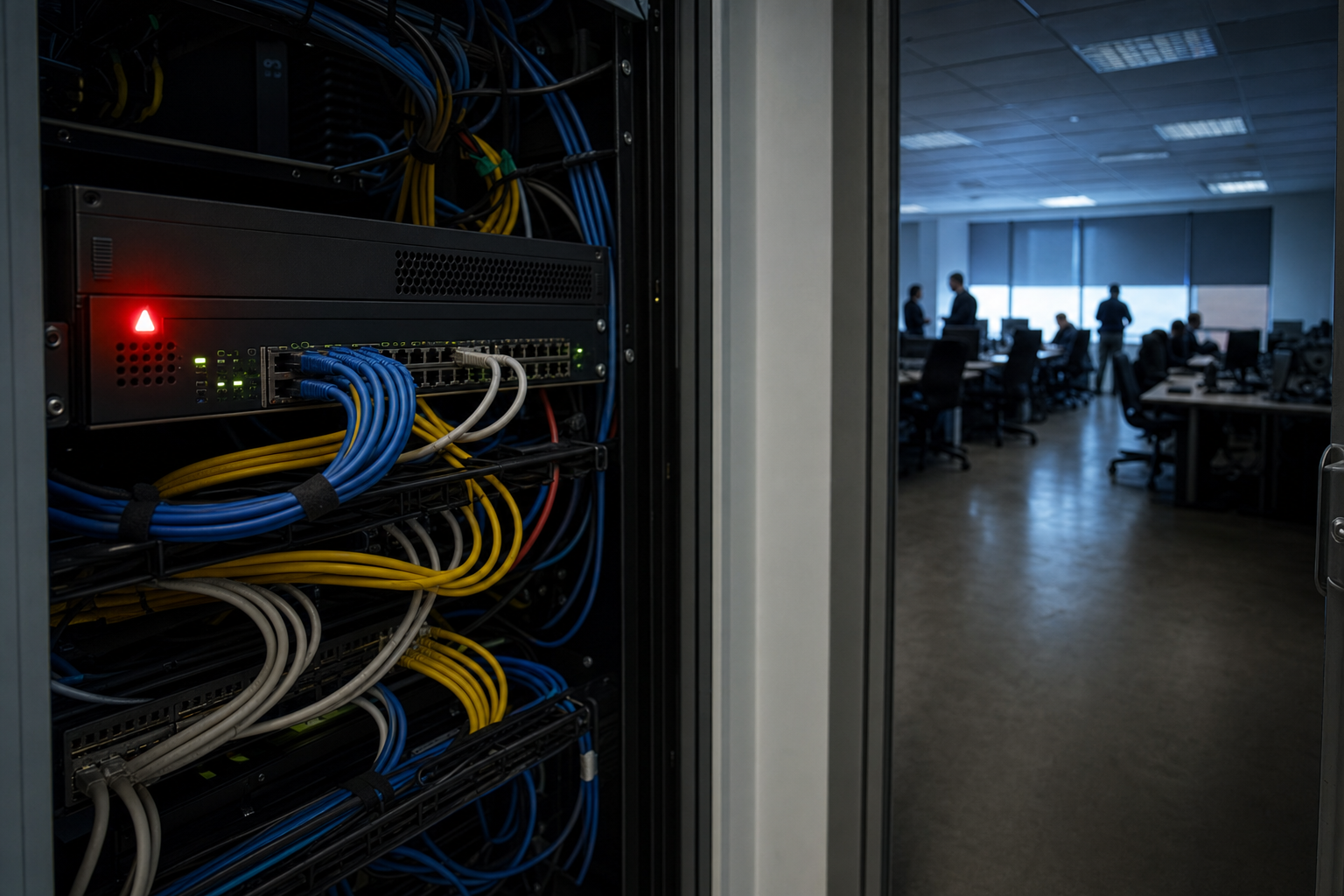
Palo Alto GlobalProtect vulnerability coverage became the urgent remote-access story on July 21, 2026, when BleepingComputer reported that Qilin affiliates are exploiting CVE-2026-0257 to break into organizations and push ransomware. That changes the practical meaning of this bug. It is no longer just a security advisory about VPN authentication cookies, patch branches, and firewall settings. It is a demonstrated entry path from an exposed perimeter appliance to full business disruption.
The uncomfortable part is how familiar this pattern is. Teams often treat remote-access infrastructure as stable plumbing and postpone disruptive fixes if users are actively depending on it. Attackers know that. When a trusted VPN gateway stays internet-facing, underpatched, and widely deployed, the gap between "limited exploitation" and "domain-wide encryption" can close fast.
Key Takeaway: CVE-2026-0257 matters now because it shows how a single exposed VPN gateway can become a direct bridge from perimeter access to enterprise-wide ransomware.
Why this Palo Alto GlobalProtect vulnerability matters now
The freshness gate is clean and specific here. The main hook is not the original May patch, the CVE assignment, or the earlier exploited-in-the-wild warning. The new operational development is July 21 reporting that links the flaw to Qilin ransomware intrusions based on Arctic Wolf incident investigations.
That distinction matters because defenders triage security news differently depending on what changed. A vendor advisory says "patch this." A report that ties the same flaw to successful ransomware operations says "assume your exposure window is more expensive than you thought."
This is the same escalation pattern Hexon has covered in posts like SharePoint vulnerabilities and active exploitation, Gitea Docker image auth bypass, and WordPress Core RCE and public exploit release. Different products, same operational lesson: when an exposed access system moves from theoretical compromise to observed attack-chain usage, patch urgency becomes business urgency.
Key Stat: Shadowserver tracks more than 167,000 internet-exposed GlobalProtect instances, which is why one reliable exploit path can quickly become a broad opportunistic target.
How the attack path appears to work
The important part is not only that the flaw exists. It is what attackers can do after the first foothold lands.
CVE-2026-0257 gives attackers unauthorized VPN access
According to Palo Alto Networks' advisory, the issue affects GlobalProtect portal and gateway deployments when authentication override cookies are enabled under a specific certificate configuration. In practical terms, that means the bug can let an attacker bypass expected security restrictions and establish an unauthorized VPN connection.
That is already a serious outcome. A successful VPN-auth bypass is not a narrow application bug. It places an attacker inside a trust path many organizations reserve for employees, contractors, and administrators.
The ransomware risk comes after the gateway
Arctic Wolf's July 21 write-up says multiple June intrusions began with exploitation of CVE-2026-0257 and ended with Qilin ransomware deployment. The post-exploitation steps varied, which is exactly what makes the story more dangerous. Attackers did not need one rigid follow-up playbook to make the flaw useful.
Across the reported cases, the recurring pattern was straightforward:
- gain access through the GlobalProtect weakness
- move into credential-driven activity
- expand access through administrative accounts and shares
- push toward encryption, and in some cases double extortion
That is what security teams should focus on. The flaw is not merely a bypass at the perimeter. It is a shortcut into the identity and lateral-movement layer that ransomware crews know how to exploit very efficiently.
Common Mistake: Treating a VPN appliance bug as if it only threatens the appliance. The real blast radius starts after the remote-access boundary fails.
%22%2F%3E%0A%20%20%3Ccircle%20cx%3D%221270%22%20cy%3D%22180%22%20r%3D%22210%22%20fill%3D%22rgba(123%2C%20215%2C%20255%2C%200.18)%22%2F%3E%0A%20%20%3Ccircle%20cx%3D%22310%22%20cy%3D%22710%22%20r%3D%22250%22%20fill%3D%22rgba(52%2C%20211%2C%20153%2C%200.10)%22%2F%3E%0A%20%20%3Cpath%20d%3D%22M160%20708C340%20574%20498%20531%20653%20566C828%20605%20941%20504%201086%20418C1191%20355%201308%20317%201440%20332%22%20stroke%3D%22%237bd7ff%22%20stroke-width%3D%2210%22%20stroke-linecap%3D%22round%22%20opacity%3D%220.85%22%2F%3E%0A%20%20%3Cpath%20d%3D%22M160%20640H1440%22%20stroke%3D%22rgba(255%2C255%2C255%2C0.08)%22%20stroke-width%3D%222%22%2F%3E%0A%20%20%3Cpath%20d%3D%22M160%20298H1440%22%20stroke%3D%22rgba(255%2C255%2C255%2C0.08)%22%20stroke-width%3D%222%22%2F%3E%0A%20%20%3Crect%20x%3D%22160%22%20y%3D%22142%22%20width%3D%22174%22%20height%3D%2236%22%20rx%3D%2218%22%20fill%3D%22rgba(123%2C%20215%2C%20255%2C%200.18)%22%20stroke%3D%22%237bd7ff%22%2F%3E%0A%20%20%3Ctext%20x%3D%22247%22%20y%3D%22166%22%20text-anchor%3D%22middle%22%20fill%3D%22%23D9F4FF%22%20font-size%3D%2218%22%20font-family%3D%22Arial%2C%20Helvetica%2C%20sans-serif%22%20letter-spacing%3D%222%22%3ECYBERSECURITY%3C%2Ftext%3E%0A%20%20%3Ctext%20x%3D%22160%22%20y%3D%22392%22%20fill%3D%22%23F7FBFF%22%20font-size%3D%2266%22%20font-weight%3D%22700%22%20font-family%3D%22Arial%2C%20Helvetica%2C%20sans-serif%22%3EWhy%20remote-access%20gateways%3C%2Ftext%3E%0A%20%20%3Ctext%20x%3D%22160%22%20y%3D%22470%22%20fill%3D%22%23F7FBFF%22%20font-size%3D%2266%22%20font-weight%3D%22700%22%20font-family%3D%22Arial%2C%20Helvetica%2C%20sans-serif%22%3Ecreate%20outsized%20risk%3C%2Ftext%3E%0A%20%20%3Ctext%20x%3D%22160%22%20y%3D%22554%22%20fill%3D%22%23A8B8C8%22%20font-size%3D%2228%22%20font-family%3D%22Arial%2C%20Helvetica%2C%20sans-serif%22%3EPalo%20Alto%20GlobalProtect%20Vulnerability%3A%20Why%3C%2Ftext%3E%0A%20%20%3Crect%20x%3D%221080%22%20y%3D%22420%22%20width%3D%22274%22%20height%3D%22182%22%20rx%3D%2222%22%20fill%3D%22%230E2231%22%20stroke%3D%22rgba(255%2C255%2C255%2C0.10)%22%2F%3E%0A%20%20%3Crect%20x%3D%221120%22%20y%3D%22458%22%20width%3D%22112%22%20height%3D%2218%22%20rx%3D%229%22%20fill%3D%22%237bd7ff%22%20opacity%3D%220.9%22%2F%3E%0A%20%20%3Crect%20x%3D%221120%22%20y%3D%22498%22%20width%3D%22180%22%20height%3D%2212%22%20rx%3D%226%22%20fill%3D%22rgba(255%2C255%2C255%2C0.2)%22%2F%3E%0A%20%20%3Crect%20x%3D%221120%22%20y%3D%22526%22%20width%3D%22146%22%20height%3D%2212%22%20rx%3D%226%22%20fill%3D%22rgba(255%2C255%2C255%2C0.14)%22%2F%3E%0A%20%20%3Crect%20x%3D%221120%22%20y%3D%22554%22%20width%3D%2288%22%20height%3D%2212%22%20rx%3D%226%22%20fill%3D%22rgba(255%2C255%2C255%2C0.12)%22%2F%3E%0A%20%20%3Ccircle%20cx%3D%221340%22%20cy%3D%22522%22%20r%3D%2244%22%20fill%3D%22rgba(123%2C%20215%2C%20255%2C%200.18)%22%20stroke%3D%22%237bd7ff%22%2F%3E%0A%20%20%3Cpath%20d%3D%22M1322%20522L1336%20536L1360%20506%22%20stroke%3D%22%237bd7ff%22%20stroke-width%3D%228%22%20stroke-linecap%3D%22round%22%20stroke-linejoin%3D%22round%22%2F%3E%0A%20%20%3Ctext%20x%3D%22160%22%20y%3D%22748%22%20fill%3D%22%237BD7FF%22%20font-size%3D%2222%22%20font-family%3D%22Arial%2C%20Helvetica%2C%20sans-serif%22%20letter-spacing%3D%223%22%3EHEXON%20%2F%2F%20SUPPORTING%20VISUAL%3C%2Ftext%3E%0A%3C%2Fsvg%3E)
Why remote-access gateways create outsized risk
Many security teams have improved endpoint hardening, SaaS MFA coverage, and cloud logging. But the remote-access layer still has one big structural problem: when it fails, it often fails into trust.
A VPN gateway usually sits close to all the things attackers want:
- internal network reachability
- identity systems
- administrative services
- management shares
- older business systems that are harder to expose directly
That is why this story deserves attention beyond Palo Alto customers alone. A vulnerable remote-access product does not just expose a feature. It exposes the organization's habit of trusting what comes through that feature.
The Qilin angle sharpens that lesson further. Ransomware groups do not need a perfect stealth campaign if they can land through a trusted access path, harvest enough privilege, and move quickly before defenders recognize the entry vector. That speed-to-impact problem also echoes the recovery-window lesson from Spirals ransomware under 24 hours.
Pro Tip: Treat internet-facing remote-access gear as identity infrastructure, not just networking infrastructure. The controls and response expectations should be closer to an identity breach than a routine appliance update.
Where defenders are likely to lose time
The technical facts are clear enough. The delays usually come from operations.
Teams assume the May fix means the risk is old news
This is one of the biggest traps. The patch landed earlier, but the July 21 ransomware linkage is what makes today's story fresh and operationally useful. Older patch dates do not reduce current risk if the exposed population remains large and attackers have already proven they can turn access into encryption.
Appliance ownership is often scattered
Security may know the CVE. Network teams may own the firewalls. Identity teams may care about authentication override behavior. IT operations may worry about user disruption during upgrades or re-authentication. When one system touches all four groups, patching tends to slow down unless someone owns the final decision.
Organizations stop at patching and skip compromise review
This is the mistake that matters most. Palo Alto, CISA, and Arctic Wolf all make the same broader point in different ways: patching closes the door for the next attempt, but it does not answer whether someone already came through it.
If a gateway was exposed and unpatched during the relevant window, the right question is not only "Are we updated now?" It is also "Do we have signs of unauthorized VPN access, suspicious administrative activity, credential theft, or ransomware staging after that exposure?"
%22%2F%3E%0A%20%20%3Ccircle%20cx%3D%221270%22%20cy%3D%22180%22%20r%3D%22210%22%20fill%3D%22rgba(167%2C%20139%2C%20250%2C%200.18)%22%2F%3E%0A%20%20%3Ccircle%20cx%3D%22310%22%20cy%3D%22710%22%20r%3D%22250%22%20fill%3D%22rgba(52%2C%20211%2C%20153%2C%200.10)%22%2F%3E%0A%20%20%3Cpath%20d%3D%22M160%20708C340%20574%20498%20531%20653%20566C828%20605%20941%20504%201086%20418C1191%20355%201308%20317%201440%20332%22%20stroke%3D%22%23a78bfa%22%20stroke-width%3D%2210%22%20stroke-linecap%3D%22round%22%20opacity%3D%220.85%22%2F%3E%0A%20%20%3Cpath%20d%3D%22M160%20640H1440%22%20stroke%3D%22rgba(255%2C255%2C255%2C0.08)%22%20stroke-width%3D%222%22%2F%3E%0A%20%20%3Cpath%20d%3D%22M160%20298H1440%22%20stroke%3D%22rgba(255%2C255%2C255%2C0.08)%22%20stroke-width%3D%222%22%2F%3E%0A%20%20%3Crect%20x%3D%22160%22%20y%3D%22142%22%20width%3D%22174%22%20height%3D%2236%22%20rx%3D%2218%22%20fill%3D%22rgba(167%2C%20139%2C%20250%2C%200.18)%22%20stroke%3D%22%23a78bfa%22%2F%3E%0A%20%20%3Ctext%20x%3D%22247%22%20y%3D%22166%22%20text-anchor%3D%22middle%22%20fill%3D%22%23D9F4FF%22%20font-size%3D%2218%22%20font-family%3D%22Arial%2C%20Helvetica%2C%20sans-serif%22%20letter-spacing%3D%222%22%3ECYBERSECURITY%3C%2Ftext%3E%0A%20%20%3Ctext%20x%3D%22160%22%20y%3D%22392%22%20fill%3D%22%23F7FBFF%22%20font-size%3D%2266%22%20font-weight%3D%22700%22%20font-family%3D%22Arial%2C%20Helvetica%2C%20sans-serif%22%3EWhat%20organizations%20should%20do%3C%2Ftext%3E%0A%20%20%3Ctext%20x%3D%22160%22%20y%3D%22470%22%20fill%3D%22%23F7FBFF%22%20font-size%3D%2266%22%20font-weight%3D%22700%22%20font-family%3D%22Arial%2C%20Helvetica%2C%20sans-serif%22%3Enow%3C%2Ftext%3E%0A%20%20%3Ctext%20x%3D%22160%22%20y%3D%22554%22%20fill%3D%22%23A8B8C8%22%20font-size%3D%2228%22%20font-family%3D%22Arial%2C%20Helvetica%2C%20sans-serif%22%3EPalo%20Alto%20GlobalProtect%20Vulnerability%3A%20Why%3C%2Ftext%3E%0A%20%20%3Crect%20x%3D%221080%22%20y%3D%22420%22%20width%3D%22274%22%20height%3D%22182%22%20rx%3D%2222%22%20fill%3D%22%230E2231%22%20stroke%3D%22rgba(255%2C255%2C255%2C0.10)%22%2F%3E%0A%20%20%3Crect%20x%3D%221120%22%20y%3D%22458%22%20width%3D%22112%22%20height%3D%2218%22%20rx%3D%229%22%20fill%3D%22%23a78bfa%22%20opacity%3D%220.9%22%2F%3E%0A%20%20%3Crect%20x%3D%221120%22%20y%3D%22498%22%20width%3D%22180%22%20height%3D%2212%22%20rx%3D%226%22%20fill%3D%22rgba(255%2C255%2C255%2C0.2)%22%2F%3E%0A%20%20%3Crect%20x%3D%221120%22%20y%3D%22526%22%20width%3D%22146%22%20height%3D%2212%22%20rx%3D%226%22%20fill%3D%22rgba(255%2C255%2C255%2C0.14)%22%2F%3E%0A%20%20%3Crect%20x%3D%221120%22%20y%3D%22554%22%20width%3D%2288%22%20height%3D%2212%22%20rx%3D%226%22%20fill%3D%22rgba(255%2C255%2C255%2C0.12)%22%2F%3E%0A%20%20%3Ccircle%20cx%3D%221340%22%20cy%3D%22522%22%20r%3D%2244%22%20fill%3D%22rgba(167%2C%20139%2C%20250%2C%200.18)%22%20stroke%3D%22%23a78bfa%22%2F%3E%0A%20%20%3Cpath%20d%3D%22M1322%20522L1336%20536L1360%20506%22%20stroke%3D%22%23a78bfa%22%20stroke-width%3D%228%22%20stroke-linecap%3D%22round%22%20stroke-linejoin%3D%22round%22%2F%3E%0A%20%20%3Ctext%20x%3D%22160%22%20y%3D%22748%22%20fill%3D%22%237BD7FF%22%20font-size%3D%2222%22%20font-family%3D%22Arial%2C%20Helvetica%2C%20sans-serif%22%20letter-spacing%3D%223%22%3EHEXON%20%2F%2F%20SUPPORTING%20VISUAL%3C%2Ftext%3E%0A%3C%2Fsvg%3E)
What organizations should do now
The response has to cover both prevention and investigation.
1. Confirm whether your configuration is actually exposed
Start with the details from Palo Alto's advisory, not assumptions from inventory labels. Check whether:
- the device runs an affected PAN-OS branch
- GlobalProtect portal or gateway is configured
- authentication override cookies are enabled
- the required certificate conditions exist
A simple "we use Palo Alto" answer is too vague. A simple "we patched in May" answer may also be too vague if upgrade coverage was incomplete across environments.
2. Patch and force the re-authentication event
Palo Alto notes that updated systems regenerate the authentication override cookie more securely, which means users need to authenticate again once after upgrade. That operational inconvenience is not a reason to delay. It is part of the fix.
If your team has been postponing upgrades to avoid disruption for remote users, that tradeoff should be re-evaluated now that the bug is tied to real ransomware intrusions.
3. Hunt for evidence that attackers used the gateway first
Review:
- VPN logs for unusual or unexplained access
- successful logins from unfamiliar source infrastructure
- privilege escalation activity shortly after remote access
- lateral movement via admin shares or remote execution tools
- signs of credential dumping, NTDS access, or mass log clearing
You do not need perfect forensic certainty before escalating. If the gateway was exposed and the timeline fits, investigate like an intrusion path already mattered.
4. Reset the trust that may have been inherited
If you confirm or strongly suspect exploitation, treat it as more than a single-device issue. Prioritize:
- credential rotation for privileged accounts
- review of remote-access policies
- invalidation of sessions or tokens where feasible
- review of admin group membership and recently used accounts
- tighter segmentation between VPN entry points and sensitive systems
The reason is simple. A VPN compromise is valuable because it inherits trust. Your job in response is to break that trust chain as quickly as possible.
5. Reduce single-gateway blast radius going forward
This is the longer-term lesson many teams skip after emergency patching. If one remote-access appliance can become a practical path to domain-wide ransomware, then architecture needs attention too.
That can include:
- shrinking what VPN users can reach by default
- separating admin access from general remote access
- hardening privileged workflows behind additional controls
- instrumenting remote-access infrastructure more aggressively
- reviewing whether internet-facing management and access services are too consolidated
Key Takeaway: The better lesson is not only "patch faster." It is "design remote access so one gateway failure cannot inherit the whole environment."
What this means for the next ransomware wave
Qilin is the headline here, but the lesson is bigger than one group name.
Ransomware operations keep proving that they do not need exotic zero-days in core business applications if they can find trusted perimeter systems with patch lag, broad internal reach, and identity adjacency. That is why remote-access flaws keep aging badly once public exploitation or strong incident-response evidence appears.
The same thing will keep happening across VPNs, file-transfer servers, self-hosted collaboration systems, and hybrid edge platforms. Attackers do not need to compromise the fanciest target in the environment first. They only need the one system that defenders cannot afford to take offline and therefore hesitate to touch.
For business leaders, this is also the plain-language reason to care. A VPN issue can sound abstract right up until it becomes an outage, a ransom demand, a halted business function, or a week of recovery work across identity, network, and endpoint teams.
Final takeaway
The Palo Alto GlobalProtect vulnerability behind CVE-2026-0257 should now be treated as a ransomware entry lesson, not merely a perimeter patch note. The July 21 reporting matters because it ties the bug to real Qilin intrusions and makes the cost of delay easier to understand.
If your organization relies on GlobalProtect, the practical next step is to verify exposure, patch every affected instance, force the cookie-regeneration fix, and investigate whether gateway access already turned into broader credential or lateral-movement activity. If you do not use Palo Alto, the bigger lesson still applies: any remote-access platform that inherits trust can become the shortest path to a very expensive day.