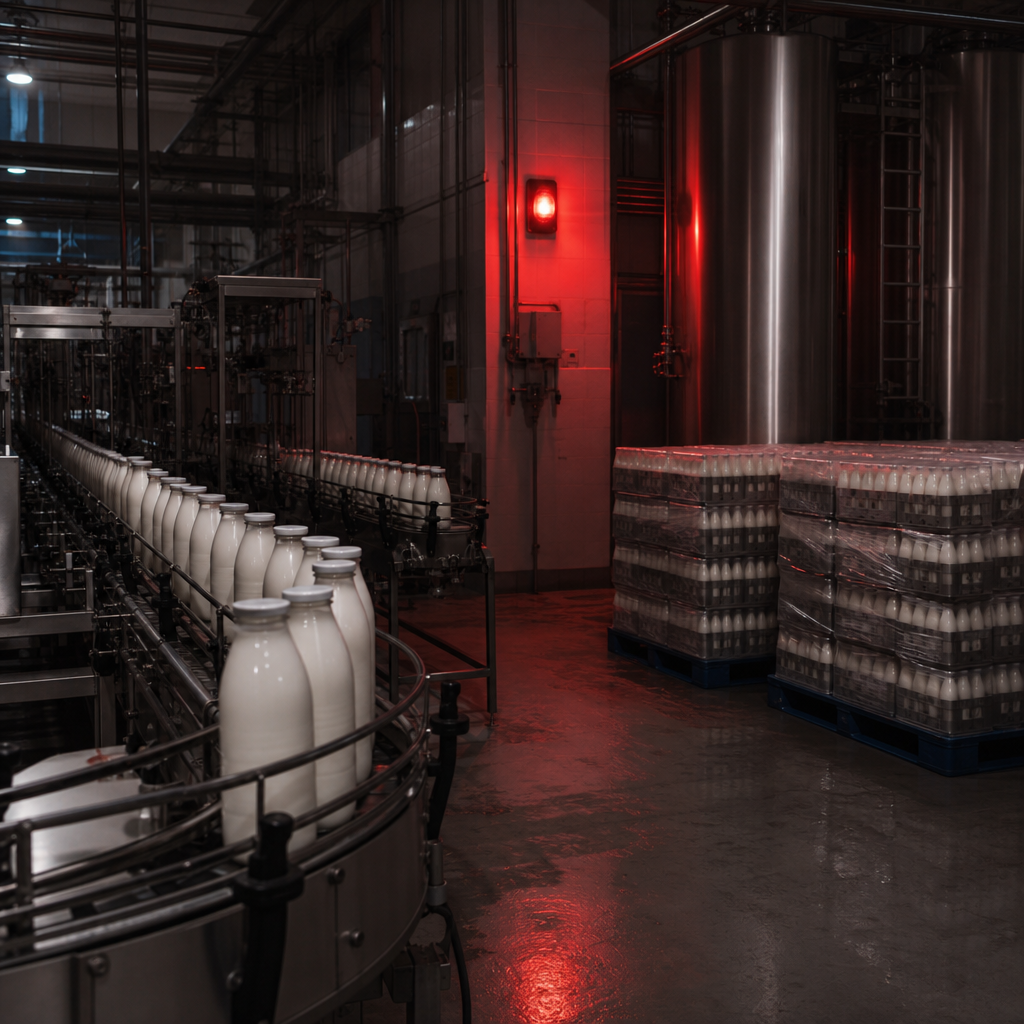
The Fairlife ransomware attack became a business-relevant cybersecurity story today after SecurityWeek reported that production-related systems were affected and US Fairlife output was temporarily suspended. That detail changes the conversation immediately. This is not only another breach disclosure from a large brand. It is a reminder that when ransomware reaches the systems tied to physical production, the blast radius moves from IT inconvenience to supply chain stress.
Coca-Cola said in a July 16 SEC filing that unauthorized access affected part of Fairlife's environment, including production-related systems, and that US operations were temporarily halted while the company investigates. SecurityWeek's July 17 coverage pushed the story into the wider security conversation because it makes the operational consequence plain: cyber incidents now stop products, schedules, and shipments, not just inboxes and file shares.
Key Takeaway: The real risk in a production-system ransomware incident is not the ransom note. It is the moment a digital compromise starts dictating what leaves a factory floor.
Why the Fairlife ransomware attack matters beyond one dairy brand
A lot of ransomware coverage still gets framed around records stolen, systems encrypted, or whether a named gang claims responsibility. Those points matter, but they are not the main lesson here.
The sharper lesson is that a consumer brand with national distribution had to suspend real-world production because a cyber incident touched the wrong systems. That turns cybersecurity into a business continuity issue with visible downstream effects.
When security teams talk about "critical operations," the phrase can feel abstract. Milk bottling lines, packaging schedules, plant coordination, and outbound fulfillment are not abstract. They are measurable operational processes, and any interruption can spill into inventory gaps, shipping delays, and commercial friction.
This is also why the story deserves attention even before the full technical chain is public. You do not need a complete forensic report to understand the strategic signal. If a production-linked environment can be disrupted badly enough to trigger a shutdown, then segmentation, recovery separation, and plant-level incident readiness deserve immediate scrutiny.
Key Stat: Coca-Cola disclosed that production operations at Fairlife in the United States were temporarily suspended, while Canada production was not currently impacted. That contrast alone points security leaders toward one of the biggest questions in modern resilience: what was isolated well enough to keep running?
The incident turns "production-related systems" into the phrase every defender should care about
The wording in the disclosure matters. Companies often try to keep early incident language narrow while facts are still developing. So when a filing explicitly says production-related systems were affected, defenders should take that seriously.
That phrase implies a cyber incident crossed out of ordinary office IT and into the systems, services, or dependencies needed to keep output moving. The compromise may not need to hit industrial controllers directly to create that effect. In many organizations, stopping production can happen much earlier in the chain.
A ransomware operator does not necessarily need to rewrite programmable logic or sabotage machinery to create major disruption. Hitting the wrong dependencies can be enough:
- plant scheduling systems
- quality or inventory databases
- packaging and shipment coordination tools
- identity and remote-access infrastructure used by plant staff
- Windows servers that bridge business applications and operational processes
That is what makes this story broader than the dairy sector. Plenty of organizations still imagine operational disruption only in classic critical infrastructure settings. In practice, any company with tightly timed production, fulfillment, or cold-chain logistics has similar exposure patterns.
This is where the Fairlife story connects to Hexon's earlier analysis of Spirals ransomware moving from initial access to full encryption in under 24 hours. The Fairlife case is not interesting because it proves ransomware is fast. We already know that. It is interesting because it shows what happens when that pressure lands on systems that govern physical output.
%22%2F%3E%0A%20%20%3Ccircle%20cx%3D%221270%22%20cy%3D%22180%22%20r%3D%22210%22%20fill%3D%22rgba(123%2C%20215%2C%20255%2C%200.18)%22%2F%3E%0A%20%20%3Ccircle%20cx%3D%22310%22%20cy%3D%22710%22%20r%3D%22250%22%20fill%3D%22rgba(52%2C%20211%2C%20153%2C%200.10)%22%2F%3E%0A%20%20%3Cpath%20d%3D%22M160%20708C340%20574%20498%20531%20653%20566C828%20605%20941%20504%201086%20418C1191%20355%201308%20317%201440%20332%22%20stroke%3D%22%237bd7ff%22%20stroke-width%3D%2210%22%20stroke-linecap%3D%22round%22%20opacity%3D%220.85%22%2F%3E%0A%20%20%3Cpath%20d%3D%22M160%20640H1440%22%20stroke%3D%22rgba(255%2C255%2C255%2C0.08)%22%20stroke-width%3D%222%22%2F%3E%0A%20%20%3Cpath%20d%3D%22M160%20298H1440%22%20stroke%3D%22rgba(255%2C255%2C255%2C0.08)%22%20stroke-width%3D%222%22%2F%3E%0A%20%20%3Crect%20x%3D%22160%22%20y%3D%22142%22%20width%3D%22174%22%20height%3D%2236%22%20rx%3D%2218%22%20fill%3D%22rgba(123%2C%20215%2C%20255%2C%200.18)%22%20stroke%3D%22%237bd7ff%22%2F%3E%0A%20%20%3Ctext%20x%3D%22247%22%20y%3D%22166%22%20text-anchor%3D%22middle%22%20fill%3D%22%23D9F4FF%22%20font-size%3D%2218%22%20font-family%3D%22Arial%2C%20Helvetica%2C%20sans-serif%22%20letter-spacing%3D%222%22%3ECYBERSECURITY%3C%2Ftext%3E%0A%20%20%3Ctext%20x%3D%22160%22%20y%3D%22392%22%20fill%3D%22%23F7FBFF%22%20font-size%3D%2266%22%20font-weight%3D%22700%22%20font-family%3D%22Arial%2C%20Helvetica%2C%20sans-serif%22%3EWhy%20production%20outages%3C%2Ftext%3E%0A%20%20%3Ctext%20x%3D%22160%22%20y%3D%22470%22%20fill%3D%22%23F7FBFF%22%20font-size%3D%2266%22%20font-weight%3D%22700%22%20font-family%3D%22Arial%2C%20Helvetica%2C%20sans-serif%22%3Echange%20the%20economics%20of%3C%2Ftext%3E%0A%20%20%3Ctext%20x%3D%22160%22%20y%3D%22554%22%20fill%3D%22%23A8B8C8%22%20font-size%3D%2228%22%20font-family%3D%22Arial%2C%20Helvetica%2C%20sans-serif%22%3EFairlife%20Ransomware%20Attack%3A%20Why%20a%3C%2Ftext%3E%0A%20%20%3Crect%20x%3D%221080%22%20y%3D%22420%22%20width%3D%22274%22%20height%3D%22182%22%20rx%3D%2222%22%20fill%3D%22%230E2231%22%20stroke%3D%22rgba(255%2C255%2C255%2C0.10)%22%2F%3E%0A%20%20%3Crect%20x%3D%221120%22%20y%3D%22458%22%20width%3D%22112%22%20height%3D%2218%22%20rx%3D%229%22%20fill%3D%22%237bd7ff%22%20opacity%3D%220.9%22%2F%3E%0A%20%20%3Crect%20x%3D%221120%22%20y%3D%22498%22%20width%3D%22180%22%20height%3D%2212%22%20rx%3D%226%22%20fill%3D%22rgba(255%2C255%2C255%2C0.2)%22%2F%3E%0A%20%20%3Crect%20x%3D%221120%22%20y%3D%22526%22%20width%3D%22146%22%20height%3D%2212%22%20rx%3D%226%22%20fill%3D%22rgba(255%2C255%2C255%2C0.14)%22%2F%3E%0A%20%20%3Crect%20x%3D%221120%22%20y%3D%22554%22%20width%3D%2288%22%20height%3D%2212%22%20rx%3D%226%22%20fill%3D%22rgba(255%2C255%2C255%2C0.12)%22%2F%3E%0A%20%20%3Ccircle%20cx%3D%221340%22%20cy%3D%22522%22%20r%3D%2244%22%20fill%3D%22rgba(123%2C%20215%2C%20255%2C%200.18)%22%20stroke%3D%22%237bd7ff%22%2F%3E%0A%20%20%3Cpath%20d%3D%22M1322%20522L1336%20536L1360%20506%22%20stroke%3D%22%237bd7ff%22%20stroke-width%3D%228%22%20stroke-linecap%3D%22round%22%20stroke-linejoin%3D%22round%22%2F%3E%0A%20%20%3Ctext%20x%3D%22160%22%20y%3D%22748%22%20fill%3D%22%237BD7FF%22%20font-size%3D%2222%22%20font-family%3D%22Arial%2C%20Helvetica%2C%20sans-serif%22%20letter-spacing%3D%223%22%3EHEXON%20%2F%2F%20SUPPORTING%20VISUAL%3C%2Ftext%3E%0A%3C%2Fsvg%3E)
Why production outages change the economics of ransomware response
A ransomware incident becomes much more dangerous when every hour of downtime carries a physical business consequence. That changes the math for both defenders and attackers.
In a typical enterprise IT incident, teams may have some room to reroute work, fall back to manual processes, or tolerate degraded internal tools for a short time. In a production environment, that flexibility is often smaller than leaders want to admit.
Once a plant stops, the consequences compound quickly:
- order backlogs grow
- distribution plans get reworked
- recovery decisions face more executive pressure
- communications risk grows across retailers, suppliers, and partners
- the incident response timeline collapses under operational urgency
That urgency is exactly what ransomware groups want. Even if the attackers did not originally understand every production dependency, they benefit the moment the victim realizes the outage affects real output.
The Fairlife situation also reinforces a point behind Hexon's recent post on data extortion without encryption. Attackers do not need one perfect technique. They need leverage. Sometimes that leverage comes from stolen files. Sometimes it comes from rapid encryption. Sometimes it comes from shutting down the systems a business relies on to make or ship product.
Common Mistake: Treating business continuity planning and ransomware planning as separate workstreams. In a production-linked environment, they are the same problem viewed from different teams.
What the Canada exception tells you about segmentation and resilience
One of the most revealing details in the disclosure is that Canada production was not currently impacted. That matters because partial continuity often says more about resilience than the outage itself.
It suggests some combination of technical separation, operational independence, or geographic containment helped keep at least part of the business running. Security leaders should pay attention to that pattern.
The question is not only "how did the attackers get in?" It is also "why did one production footprint stop while another kept operating?" That is where real defensive lessons usually live.
Possible explanations defenders should test in their own environments
Without speculating beyond the known facts, the difference could reflect stronger separation across several layers:
- different identity domains or access paths
- plant-specific application stacks
- tighter network boundaries between regions
- distinct vendor access arrangements
- cleaner recovery isolation for one environment than another
Every one of those possibilities maps to a practical review area inside other organizations. If you run multiple sites, regions, or manufacturing lines, now is the time to ask whether your architecture would fail all at once or degrade in a more survivable way.
This is also why third-party pathways cannot be ignored. A lot of production environments still depend on remote maintenance, integrators, niche software providers, and trusted service relationships that quietly bridge networks. Hexon has already covered how second-hop IT providers become breach paths and why vendor access deserves tighter review. Those lessons apply even more strongly when operations are on the line.
Pro Tip: Resilience is not only about restoring faster. It is about making sure one compromised environment cannot dictate the fate of every site, every line, and every region at once.
%22%2F%3E%0A%20%20%3Ccircle%20cx%3D%221270%22%20cy%3D%22180%22%20r%3D%22210%22%20fill%3D%22rgba(167%2C%20139%2C%20250%2C%200.18)%22%2F%3E%0A%20%20%3Ccircle%20cx%3D%22310%22%20cy%3D%22710%22%20r%3D%22250%22%20fill%3D%22rgba(52%2C%20211%2C%20153%2C%200.10)%22%2F%3E%0A%20%20%3Cpath%20d%3D%22M160%20708C340%20574%20498%20531%20653%20566C828%20605%20941%20504%201086%20418C1191%20355%201308%20317%201440%20332%22%20stroke%3D%22%23a78bfa%22%20stroke-width%3D%2210%22%20stroke-linecap%3D%22round%22%20opacity%3D%220.85%22%2F%3E%0A%20%20%3Cpath%20d%3D%22M160%20640H1440%22%20stroke%3D%22rgba(255%2C255%2C255%2C0.08)%22%20stroke-width%3D%222%22%2F%3E%0A%20%20%3Cpath%20d%3D%22M160%20298H1440%22%20stroke%3D%22rgba(255%2C255%2C255%2C0.08)%22%20stroke-width%3D%222%22%2F%3E%0A%20%20%3Crect%20x%3D%22160%22%20y%3D%22142%22%20width%3D%22174%22%20height%3D%2236%22%20rx%3D%2218%22%20fill%3D%22rgba(167%2C%20139%2C%20250%2C%200.18)%22%20stroke%3D%22%23a78bfa%22%2F%3E%0A%20%20%3Ctext%20x%3D%22247%22%20y%3D%22166%22%20text-anchor%3D%22middle%22%20fill%3D%22%23D9F4FF%22%20font-size%3D%2218%22%20font-family%3D%22Arial%2C%20Helvetica%2C%20sans-serif%22%20letter-spacing%3D%222%22%3ECYBERSECURITY%3C%2Ftext%3E%0A%20%20%3Ctext%20x%3D%22160%22%20y%3D%22392%22%20fill%3D%22%23F7FBFF%22%20font-size%3D%2266%22%20font-weight%3D%22700%22%20font-family%3D%22Arial%2C%20Helvetica%2C%20sans-serif%22%3EWhat%20defenders%20should%20change%3C%2Ftext%3E%0A%20%20%3Ctext%20x%3D%22160%22%20y%3D%22470%22%20fill%3D%22%23F7FBFF%22%20font-size%3D%2266%22%20font-weight%3D%22700%22%20font-family%3D%22Arial%2C%20Helvetica%2C%20sans-serif%22%3Ein%20the%20next%2030%20days%3C%2Ftext%3E%0A%20%20%3Ctext%20x%3D%22160%22%20y%3D%22554%22%20fill%3D%22%23A8B8C8%22%20font-size%3D%2228%22%20font-family%3D%22Arial%2C%20Helvetica%2C%20sans-serif%22%3EFairlife%20Ransomware%20Attack%3A%20Why%20a%3C%2Ftext%3E%0A%20%20%3Crect%20x%3D%221080%22%20y%3D%22420%22%20width%3D%22274%22%20height%3D%22182%22%20rx%3D%2222%22%20fill%3D%22%230E2231%22%20stroke%3D%22rgba(255%2C255%2C255%2C0.10)%22%2F%3E%0A%20%20%3Crect%20x%3D%221120%22%20y%3D%22458%22%20width%3D%22112%22%20height%3D%2218%22%20rx%3D%229%22%20fill%3D%22%23a78bfa%22%20opacity%3D%220.9%22%2F%3E%0A%20%20%3Crect%20x%3D%221120%22%20y%3D%22498%22%20width%3D%22180%22%20height%3D%2212%22%20rx%3D%226%22%20fill%3D%22rgba(255%2C255%2C255%2C0.2)%22%2F%3E%0A%20%20%3Crect%20x%3D%221120%22%20y%3D%22526%22%20width%3D%22146%22%20height%3D%2212%22%20rx%3D%226%22%20fill%3D%22rgba(255%2C255%2C255%2C0.14)%22%2F%3E%0A%20%20%3Crect%20x%3D%221120%22%20y%3D%22554%22%20width%3D%2288%22%20height%3D%2212%22%20rx%3D%226%22%20fill%3D%22rgba(255%2C255%2C255%2C0.12)%22%2F%3E%0A%20%20%3Ccircle%20cx%3D%221340%22%20cy%3D%22522%22%20r%3D%2244%22%20fill%3D%22rgba(167%2C%20139%2C%20250%2C%200.18)%22%20stroke%3D%22%23a78bfa%22%2F%3E%0A%20%20%3Cpath%20d%3D%22M1322%20522L1336%20536L1360%20506%22%20stroke%3D%22%23a78bfa%22%20stroke-width%3D%228%22%20stroke-linecap%3D%22round%22%20stroke-linejoin%3D%22round%22%2F%3E%0A%20%20%3Ctext%20x%3D%22160%22%20y%3D%22748%22%20fill%3D%22%237BD7FF%22%20font-size%3D%2222%22%20font-family%3D%22Arial%2C%20Helvetica%2C%20sans-serif%22%20letter-spacing%3D%223%22%3EHEXON%20%2F%2F%20SUPPORTING%20VISUAL%3C%2Ftext%3E%0A%3C%2Fsvg%3E)
What defenders should change in the next 30 days
The fastest useful response to a story like this is not panic. It is targeted architectural review.
1. Map every system that can stop production without touching a machine
Many security programs still have a gap between enterprise IT visibility and operational consequence. Close that gap. Identify the Windows servers, identity services, databases, file shares, middleware, plant applications, and remote-access services that could halt output even if the machinery itself remains untouched.
If your incident plan still assumes "OT risk" only means direct controller compromise, it is too narrow.
2. Review separation between business IT and production dependencies
Look for the quiet bridges attackers love: shared admin credentials, broad domain trust, flat RDP access, over-permissive service accounts, common backup tooling, and remote support pathways that were justified as convenient years ago.
The target state is not perfect isolation at any cost. It is enough separation that a business-system compromise does not immediately become a plant outage.
3. Pressure-test manual and degraded-mode operations
A lot of teams say they can "run manually for a while" until you ask for specifics. Which process can actually run by hand? For how long? With what staffing? Using what trusted records?
If the answer is vague, the fallback is not real. The Fairlife incident is the kind of story that exposes those weak assumptions fast.
4. Protect recovery systems like crown-jewel infrastructure
Backup platforms, identity recovery workflows, virtual infrastructure, and plant-support databases should not sit one easy credential hop away from the same application or admin paths that attackers first compromise.
That lesson aligns with the operational failures seen in the ShareFile disruption and other recent cases where one trusted internal node became a high-leverage failure point. Recovery separation is not administrative overhead. It is the difference between a hard day and a business-stopping week.
5. Align executive communications before the next incident
Production outages create board-level urgency fast. That means security, operations, legal, and communications teams need a common language before an incident happens.
Decide now how you will describe affected systems, degraded output, customer impact, and recovery expectations. The teams that do this well reduce confusion when time is expensive.
The bigger message for manufacturing, food, and consumer brands
The deeper lesson from the Fairlife ransomware attack is that attackers do not care whether your company thinks of itself as a tech company. If your business depends on digitally coordinated production, you already have a cyber-physical risk surface.
That includes food and beverage companies, logistics-heavy brands, pharmaceutical manufacturers, consumer goods plants, and any business where warehouse, packaging, scheduling, or production data drives real throughput. The old distinction between "IT incident" and "operations incident" is getting less useful every year.
This is why a single same-day story like this resonates beyond the victim. It gives security leaders a concrete way to explain why segmentation, recovery design, and identity discipline deserve investment before a crisis. It also gives operations leaders a reason to stop treating cyber risk as something that lives only in the SOC.
For practical next steps, CISA's StopRansomware guidance remains a useful baseline, but the Fairlife case points to a more specific priority: review the systems that translate digital access into physical output, then make sure those dependencies cannot all fail together.
Final takeaway
The Fairlife ransomware attack matters because it turns a familiar threat into a visible operational story. Once production-related systems are affected, the conversation is no longer just about malware containment. It is about supply chain continuity, executive decision pressure, and whether your environment was designed to keep one compromised zone from stopping the whole business.
That is the part worth acting on today. Not because Fairlife is unique, but because too many organizations would discover the same weakness only after the line stops moving.