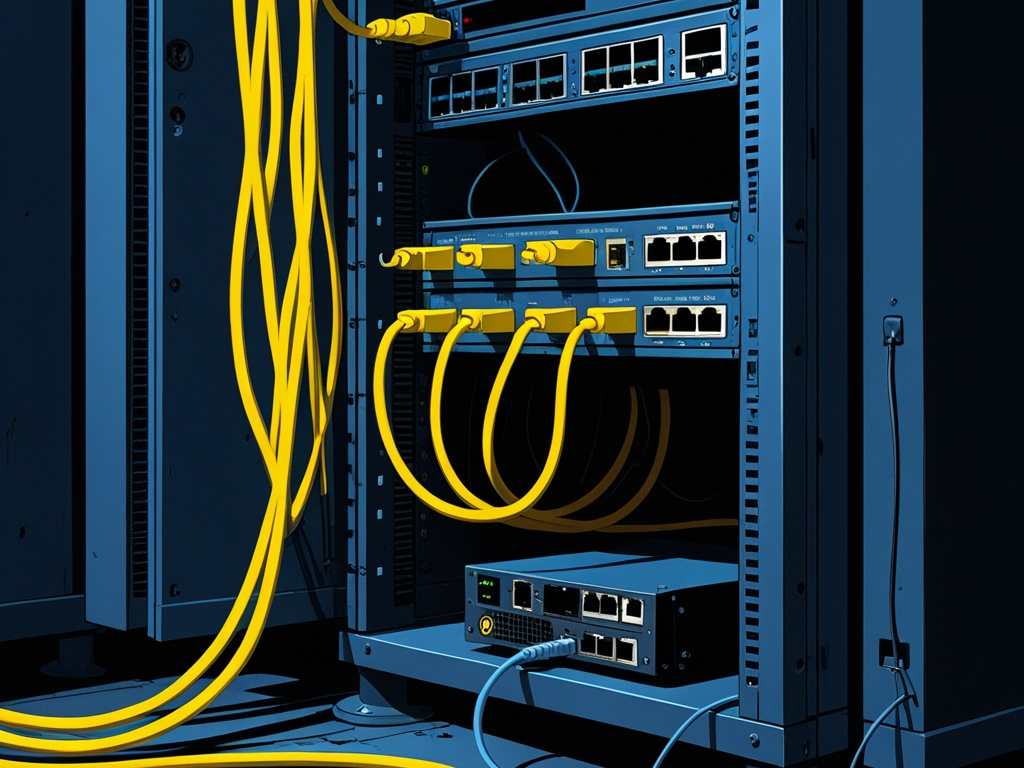
Fire Ant router implants became a fresh security story on August 31, 2026, when same-day reporting from BleepingComputer and The Hacker News highlighted how the China-linked threat actor had moved beyond hypervisors and into Cisco routers, TACACS authentication servers, and Linux management hosts. That matters because these are not fringe devices. They are part of the layer other systems trust to route traffic, validate admins, and keep operational history.
If your security program still treats routers and authentication appliances as background plumbing instead of first-class assets, this case should reset that habit fast.
Key Takeaway: Once an attacker controls the infrastructure that routes traffic and validates administrators, they do not just gain another foothold. They gain a quieter place to watch, pivot, and erase parts of the evidence trail.
Why the Fire Ant story matters right now
The practical importance of this story is not only that a known espionage actor stayed active into 2026. It is that the actor appears to have pushed into the exact systems many defenders still monitor less aggressively than servers and endpoints.
Same-day coverage describes a pattern where compromised routers became collection points, covert bridges, and anti-forensics tools all at once. According to the reporting, investigators found an active GRE tunnel on a Cisco IOS XR router that could not be explained by normal running configuration or commit history. That is the kind of detail that should make infrastructure teams uncomfortable for a good reason. It suggests the attacker was not simply using trusted gear. They were shaping what administrators could and could not see from it.
This also makes the story more useful than a generic nation-state intrusion headline. The sharper lesson is that trusted infrastructure is now part of the primary attack surface, not just the network that sits behind it.
What Fire Ant reportedly changed inside the environment
The reporting points to a campaign that used several layers of infrastructure for different jobs.
- Cisco IOS XR routers were used for covert connectivity, traffic collection, and log suppression.
- TACACS servers were targeted to intercept administrative authentication flows and harvest credentials.
- Linux management hosts and jump systems were used to hold persistence and support follow-on access.
That combination matters because it turns a normal security model upside down.
In many environments, defenders assume that if they can trust the router, the authentication server, and the jump host, they can trust the operational story those systems tell. Fire Ant appears to have attacked that assumption directly.
According to the reporting, the malware and implants supported:
- selective suppression of router syslog activity
- outbound connections to attacker infrastructure
- traffic capture and PCAP exfiltration
- covert tunneling between compromised systems
- persistent backdoors on Linux management systems
None of those actions is new in isolation. The part worth focusing on is the placement. These capabilities were positioned inside systems that sit on privileged network paths and often fall outside the daily workflow of endpoint-first detection programs.
Common Mistake: Teams often harden domain controllers and cloud consoles more carefully than the routers, TACACS nodes, and jump hosts that quietly sit between administrators and everything else.
%22%2F%3E%0A%20%20%3Ccircle%20cx%3D%221270%22%20cy%3D%22180%22%20r%3D%22210%22%20fill%3D%22rgba(123%2C%20215%2C%20255%2C%200.18)%22%2F%3E%0A%20%20%3Ccircle%20cx%3D%22310%22%20cy%3D%22710%22%20r%3D%22250%22%20fill%3D%22rgba(52%2C%20211%2C%20153%2C%200.10)%22%2F%3E%0A%20%20%3Cpath%20d%3D%22M160%20708C340%20574%20498%20531%20653%20566C828%20605%20941%20504%201086%20418C1191%20355%201308%20317%201440%20332%22%20stroke%3D%22%237bd7ff%22%20stroke-width%3D%2210%22%20stroke-linecap%3D%22round%22%20opacity%3D%220.85%22%2F%3E%0A%20%20%3Cpath%20d%3D%22M160%20640H1440%22%20stroke%3D%22rgba(255%2C255%2C255%2C0.08)%22%20stroke-width%3D%222%22%2F%3E%0A%20%20%3Cpath%20d%3D%22M160%20298H1440%22%20stroke%3D%22rgba(255%2C255%2C255%2C0.08)%22%20stroke-width%3D%222%22%2F%3E%0A%20%20%3Crect%20x%3D%22160%22%20y%3D%22142%22%20width%3D%22174%22%20height%3D%2236%22%20rx%3D%2218%22%20fill%3D%22rgba(123%2C%20215%2C%20255%2C%200.18)%22%20stroke%3D%22%237bd7ff%22%2F%3E%0A%20%20%3Ctext%20x%3D%22247%22%20y%3D%22166%22%20text-anchor%3D%22middle%22%20fill%3D%22%23D9F4FF%22%20font-size%3D%2218%22%20font-family%3D%22Arial%2C%20Helvetica%2C%20sans-serif%22%20letter-spacing%3D%222%22%3ECYBERSECURITY%3C%2Ftext%3E%0A%20%20%3Ctext%20x%3D%22160%22%20y%3D%22392%22%20fill%3D%22%23F7FBFF%22%20font-size%3D%2266%22%20font-weight%3D%22700%22%20font-family%3D%22Arial%2C%20Helvetica%2C%20sans-serif%22%3EWhy%20routers%20are%20such%3C%2Ftext%3E%0A%20%20%3Ctext%20x%3D%22160%22%20y%3D%22470%22%20fill%3D%22%23F7FBFF%22%20font-size%3D%2266%22%20font-weight%3D%22700%22%20font-family%3D%22Arial%2C%20Helvetica%2C%20sans-serif%22%3Epowerful%20espionage%20real%3C%2Ftext%3E%0A%20%20%3Ctext%20x%3D%22160%22%20y%3D%22554%22%20fill%3D%22%23A8B8C8%22%20font-size%3D%2228%22%20font-family%3D%22Arial%2C%20Helvetica%2C%20sans-serif%22%3EFire%20Ant%20Router%20Implants%3A%20Why%20Trusted%3C%2Ftext%3E%0A%20%20%3Crect%20x%3D%221080%22%20y%3D%22420%22%20width%3D%22274%22%20height%3D%22182%22%20rx%3D%2222%22%20fill%3D%22%230E2231%22%20stroke%3D%22rgba(255%2C255%2C255%2C0.10)%22%2F%3E%0A%20%20%3Crect%20x%3D%221120%22%20y%3D%22458%22%20width%3D%22112%22%20height%3D%2218%22%20rx%3D%229%22%20fill%3D%22%237bd7ff%22%20opacity%3D%220.9%22%2F%3E%0A%20%20%3Crect%20x%3D%221120%22%20y%3D%22498%22%20width%3D%22180%22%20height%3D%2212%22%20rx%3D%226%22%20fill%3D%22rgba(255%2C255%2C255%2C0.2)%22%2F%3E%0A%20%20%3Crect%20x%3D%221120%22%20y%3D%22526%22%20width%3D%22146%22%20height%3D%2212%22%20rx%3D%226%22%20fill%3D%22rgba(255%2C255%2C255%2C0.14)%22%2F%3E%0A%20%20%3Crect%20x%3D%221120%22%20y%3D%22554%22%20width%3D%2288%22%20height%3D%2212%22%20rx%3D%226%22%20fill%3D%22rgba(255%2C255%2C255%2C0.12)%22%2F%3E%0A%20%20%3Ccircle%20cx%3D%221340%22%20cy%3D%22522%22%20r%3D%2244%22%20fill%3D%22rgba(123%2C%20215%2C%20255%2C%200.18)%22%20stroke%3D%22%237bd7ff%22%2F%3E%0A%20%20%3Cpath%20d%3D%22M1322%20522L1336%20536L1360%20506%22%20stroke%3D%22%237bd7ff%22%20stroke-width%3D%228%22%20stroke-linecap%3D%22round%22%20stroke-linejoin%3D%22round%22%2F%3E%0A%20%20%3Ctext%20x%3D%22160%22%20y%3D%22748%22%20fill%3D%22%237BD7FF%22%20font-size%3D%2222%22%20font-family%3D%22Arial%2C%20Helvetica%2C%20sans-serif%22%20letter-spacing%3D%223%22%3EHEXON%20%2F%2F%20SUPPORTING%20VISUAL%3C%2Ftext%3E%0A%3C%2Fsvg%3E)
Why routers are such powerful espionage real estate
A compromised workstation gives an attacker one user and one viewpoint. A compromised router can give them a much better seat.
That does not mean every network device compromise becomes catastrophic. It does mean the potential upside for the attacker is unusually high. A router can expose:
- internal topology and segmentation reality
- management traffic between admins and infrastructure
- authentication paths that reveal who connects where
- relationships between the current victim and connected external networks
This is why the most important phrase in the Fire Ant reporting is not just "router malware." It is the idea of the target behind the target. If an attacker can use a trusted environment as a bridge into another high-value network, then the first compromise may only be the staging ground.
That is a dangerous pattern for managed service providers, critical infrastructure operators, telecom-heavy environments, large distributed enterprises, and any organization that shares trusted connectivity with partners or subsidiaries.
Why TACACS and management hosts deserve the same attention
The router angle will grab the headline, but the TACACS and Linux management pieces may be just as important.
An attacker who compromises an authentication choke point can do more than steal passwords. They can gather timing, account, and path information that helps explain how administrators really move through the environment. That matters for both persistence and anti-forensics.
Likewise, Linux jump hosts and management servers often sit at the center of legitimate operational activity:
- admins use them to reach sensitive devices
- automation jobs run through them
- keys, scripts, and trusted utilities accumulate there
- investigators may later rely on them for logs and history
If those systems are backdoored, the attacker can shape what defenders think happened while preserving a practical bridge for later access.
This is one reason the Fire Ant story stands out from ordinary intrusion reporting. It is not only about stealthy malware. It is about owning the connective tissue of the environment.
Why standard investigations can miss this kind of compromise
A lot of incident response playbooks still assume that the most trustworthy records live in infrastructure systems themselves. That works until the infrastructure becomes part of the intrusion.
The reporting says Fire Ant manipulated or bypassed multiple evidence sources, including router logging and host-level records. If that is true, then single-source confidence becomes risky fast.
In practice, that means defenders should not rely on only one of these:
- router configuration state
- router syslog alone
- TACACS logs alone
- shell history on a jump host
- timestamps on Linux management systems
Instead, investigations need correlation across memory, network captures, configuration baselines, authentication events, and independent telemetry sources. The uncomfortable lesson is simple: when the attacker is living inside the systems that produce your operational truth, your normal truth sources need validation.
Pro Tip: Treat unexplained tunnels, missing logs, or configuration states that do not line up with commit history as intrusion indicators, not just weird infrastructure drift.
%22%2F%3E%0A%20%20%3Ccircle%20cx%3D%221270%22%20cy%3D%22180%22%20r%3D%22210%22%20fill%3D%22rgba(167%2C%20139%2C%20250%2C%200.18)%22%2F%3E%0A%20%20%3Ccircle%20cx%3D%22310%22%20cy%3D%22710%22%20r%3D%22250%22%20fill%3D%22rgba(52%2C%20211%2C%20153%2C%200.10)%22%2F%3E%0A%20%20%3Cpath%20d%3D%22M160%20708C340%20574%20498%20531%20653%20566C828%20605%20941%20504%201086%20418C1191%20355%201308%20317%201440%20332%22%20stroke%3D%22%23a78bfa%22%20stroke-width%3D%2210%22%20stroke-linecap%3D%22round%22%20opacity%3D%220.85%22%2F%3E%0A%20%20%3Cpath%20d%3D%22M160%20640H1440%22%20stroke%3D%22rgba(255%2C255%2C255%2C0.08)%22%20stroke-width%3D%222%22%2F%3E%0A%20%20%3Cpath%20d%3D%22M160%20298H1440%22%20stroke%3D%22rgba(255%2C255%2C255%2C0.08)%22%20stroke-width%3D%222%22%2F%3E%0A%20%20%3Crect%20x%3D%22160%22%20y%3D%22142%22%20width%3D%22174%22%20height%3D%2236%22%20rx%3D%2218%22%20fill%3D%22rgba(167%2C%20139%2C%20250%2C%200.18)%22%20stroke%3D%22%23a78bfa%22%2F%3E%0A%20%20%3Ctext%20x%3D%22247%22%20y%3D%22166%22%20text-anchor%3D%22middle%22%20fill%3D%22%23D9F4FF%22%20font-size%3D%2218%22%20font-family%3D%22Arial%2C%20Helvetica%2C%20sans-serif%22%20letter-spacing%3D%222%22%3ECYBERSECURITY%3C%2Ftext%3E%0A%20%20%3Ctext%20x%3D%22160%22%20y%3D%22392%22%20fill%3D%22%23F7FBFF%22%20font-size%3D%2266%22%20font-weight%3D%22700%22%20font-family%3D%22Arial%2C%20Helvetica%2C%20sans-serif%22%3EWhat%20security%20teams%20should%3C%2Ftext%3E%0A%20%20%3Ctext%20x%3D%22160%22%20y%3D%22470%22%20fill%3D%22%23F7FBFF%22%20font-size%3D%2266%22%20font-weight%3D%22700%22%20font-family%3D%22Arial%2C%20Helvetica%2C%20sans-serif%22%3Echeck%20first%3C%2Ftext%3E%0A%20%20%3Ctext%20x%3D%22160%22%20y%3D%22554%22%20fill%3D%22%23A8B8C8%22%20font-size%3D%2228%22%20font-family%3D%22Arial%2C%20Helvetica%2C%20sans-serif%22%3EFire%20Ant%20Router%20Implants%3A%20Why%20Trusted%3C%2Ftext%3E%0A%20%20%3Crect%20x%3D%221080%22%20y%3D%22420%22%20width%3D%22274%22%20height%3D%22182%22%20rx%3D%2222%22%20fill%3D%22%230E2231%22%20stroke%3D%22rgba(255%2C255%2C255%2C0.10)%22%2F%3E%0A%20%20%3Crect%20x%3D%221120%22%20y%3D%22458%22%20width%3D%22112%22%20height%3D%2218%22%20rx%3D%229%22%20fill%3D%22%23a78bfa%22%20opacity%3D%220.9%22%2F%3E%0A%20%20%3Crect%20x%3D%221120%22%20y%3D%22498%22%20width%3D%22180%22%20height%3D%2212%22%20rx%3D%226%22%20fill%3D%22rgba(255%2C255%2C255%2C0.2)%22%2F%3E%0A%20%20%3Crect%20x%3D%221120%22%20y%3D%22526%22%20width%3D%22146%22%20height%3D%2212%22%20rx%3D%226%22%20fill%3D%22rgba(255%2C255%2C255%2C0.14)%22%2F%3E%0A%20%20%3Crect%20x%3D%221120%22%20y%3D%22554%22%20width%3D%2288%22%20height%3D%2212%22%20rx%3D%226%22%20fill%3D%22rgba(255%2C255%2C255%2C0.12)%22%2F%3E%0A%20%20%3Ccircle%20cx%3D%221340%22%20cy%3D%22522%22%20r%3D%2244%22%20fill%3D%22rgba(167%2C%20139%2C%20250%2C%200.18)%22%20stroke%3D%22%23a78bfa%22%2F%3E%0A%20%20%3Cpath%20d%3D%22M1322%20522L1336%20536L1360%20506%22%20stroke%3D%22%23a78bfa%22%20stroke-width%3D%228%22%20stroke-linecap%3D%22round%22%20stroke-linejoin%3D%22round%22%2F%3E%0A%20%20%3Ctext%20x%3D%22160%22%20y%3D%22748%22%20fill%3D%22%237BD7FF%22%20font-size%3D%2222%22%20font-family%3D%22Arial%2C%20Helvetica%2C%20sans-serif%22%20letter-spacing%3D%223%22%3EHEXON%20%2F%2F%20SUPPORTING%20VISUAL%3C%2Ftext%3E%0A%3C%2Fsvg%3E)
What security teams should check first
You do not need a full espionage lab to take practical action from this story. Start with the infrastructure most organizations still under-prioritize.
1. Review network gear for operational states that do not match configuration history
If an interface, tunnel, route, or service is active but has no clean explanation in running config, archived config, or commit history, treat that as a high-priority anomaly.
2. Reassess how much you trust TACACS and other admin authentication infrastructure
Check whether those systems are monitored like crown-jewel assets. If they are not, fix that. Authentication choke points should not be treated like ordinary utility servers.
3. Hunt for outbound connections from infrastructure that should be boring
Routers, jump hosts, and management appliances often have far tighter communication patterns than general-purpose systems. That makes unusual outbound connections more valuable than many teams realize.
4. Validate logs against independent evidence
If the attacker can suppress or tamper with local telemetry, you need comparison points. Flow records, external collectors, packet captures, configuration backups, and independent authentication logs all matter here.
5. Re-scope incident response around connected environments
If trusted infrastructure was compromised, the blast radius may include business units, external partners, or critical systems that were never touched directly but were reachable through the same trusted path.
The broader lesson for defenders
The Fire Ant case is a reminder that attackers do not always chase the loudest target. Sometimes they chase the quietest one with the best visibility.
For years, security teams have talked about identity, segmentation, and zero trust. Those concepts still matter, but they break down quickly if the systems enforcing trust are monitored lightly, patched slowly, or excluded from the same scrutiny given to endpoints and cloud control planes.
This is where many organizations still lag. They may have mature EDR coverage, strong MFA policy, and decent cloud logging while still leaving:
- router telemetry thin
- jump host ownership fuzzy
- TACACS systems under-instrumented
- infrastructure forensics under-rehearsed
That gap is exactly the kind of asymmetry a patient actor can use.
What should change after this story
The best response is not panic and not a rushed hardware swap. It is a sharper classification of what counts as a high-trust asset.
Routers, TACACS servers, hypervisors, jump hosts, and management appliances should be treated as:
- security-sensitive systems
- forensic-sensitive systems
- segmentation-sensitive systems
If a device decides who can talk to what, proves who an administrator is, or records evidence of privileged activity, it belongs in the top tier of monitoring and response planning.
That does not mean every organization needs the same budget or architecture. It does mean the old habit of treating infrastructure as invisible background equipment is no longer defensible.
The strongest move most teams can make this week is simple: build a short list of the systems your administrators and network paths trust most, then ask whether your detection, retention, and recovery discipline for those systems is actually as strong as your workstation and cloud security story. For many teams, the honest answer will still be no.
And that is exactly why this story matters today.